
Coes field notes
Watching a road race in the rain is not the same job as riding one. Spectators cool down while standing, carry more than they expect and need pockets that still work when barriers, umbrellas and food are competing for both hands.
Read the day in phases
A race-day forecast is only the first layer of information. Divide the outing into arrival, walking, waiting, the race passage and the trip home. The temperature at the station may be comfortable while the exposed climb is windy. A light shower during the walk can become a long chill once you stop moving. Clothing should handle those transitions without requiring a complete change beside the course.
Write the likely temperature, rainfall window and wind exposure on a small note. Then add the route surfaces: tarmac, verge, gravel car park or muddy field. This keeps the outfit specific. A bright shell and waterproof trainer may be sensible for a damp urban circuit; a colder rural finish might call for an insulating mid-layer, warmer socks and a separate dry layer kept in a sealed bag.
Make the shell visible and adjustable
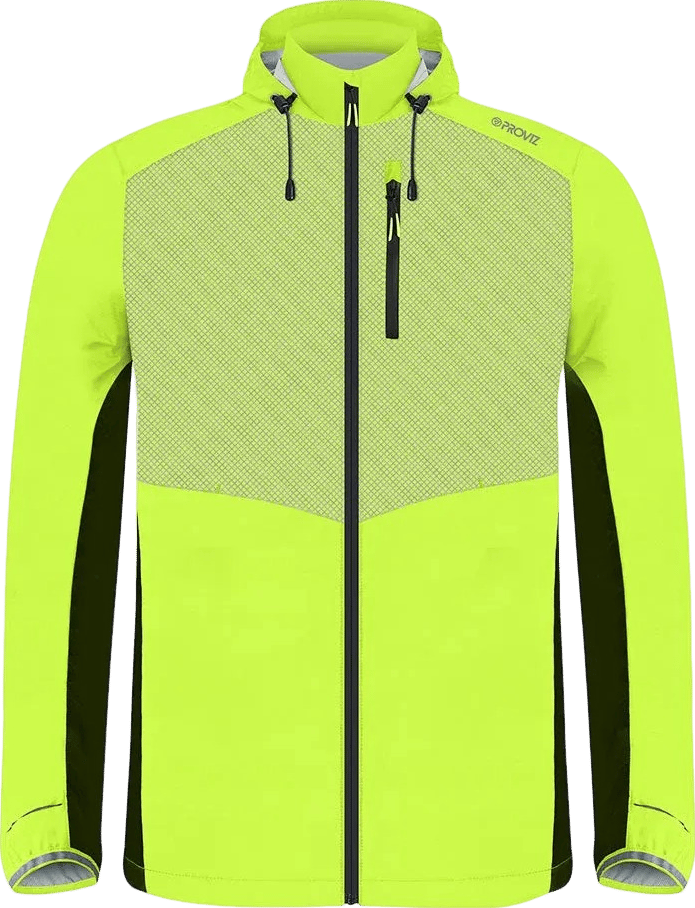
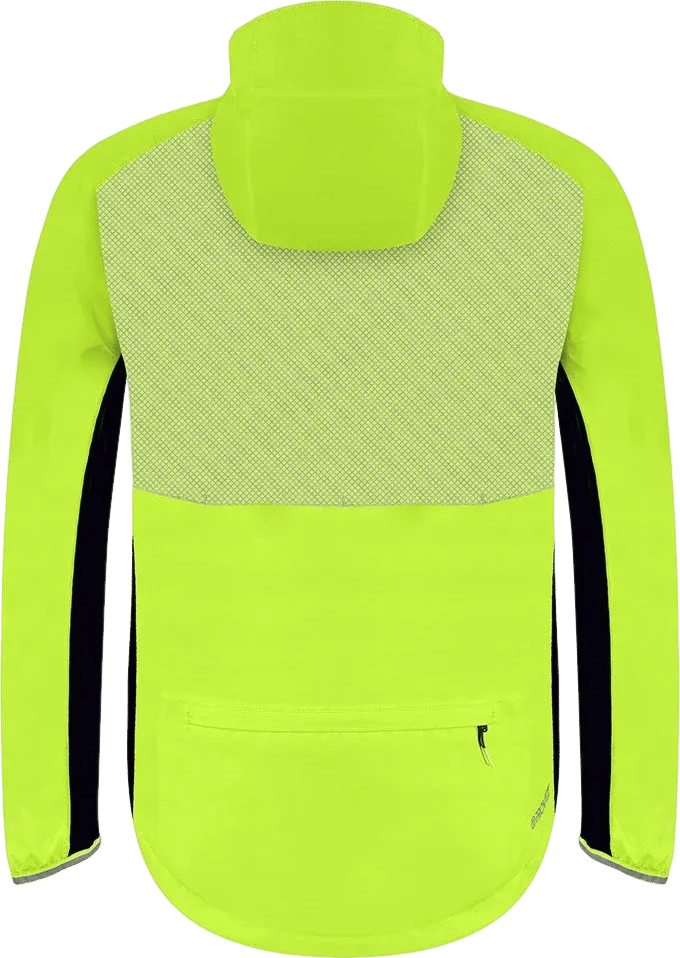
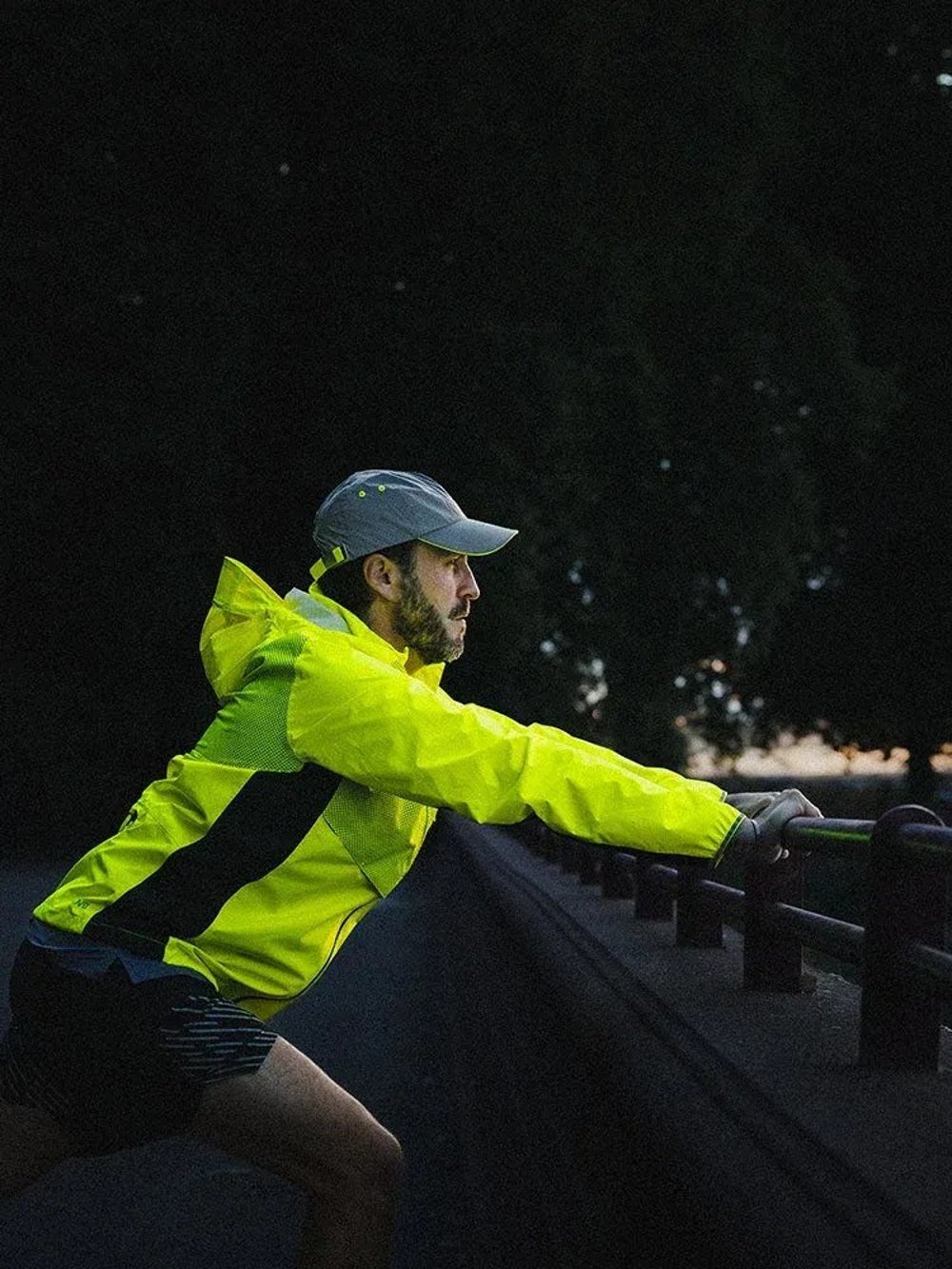
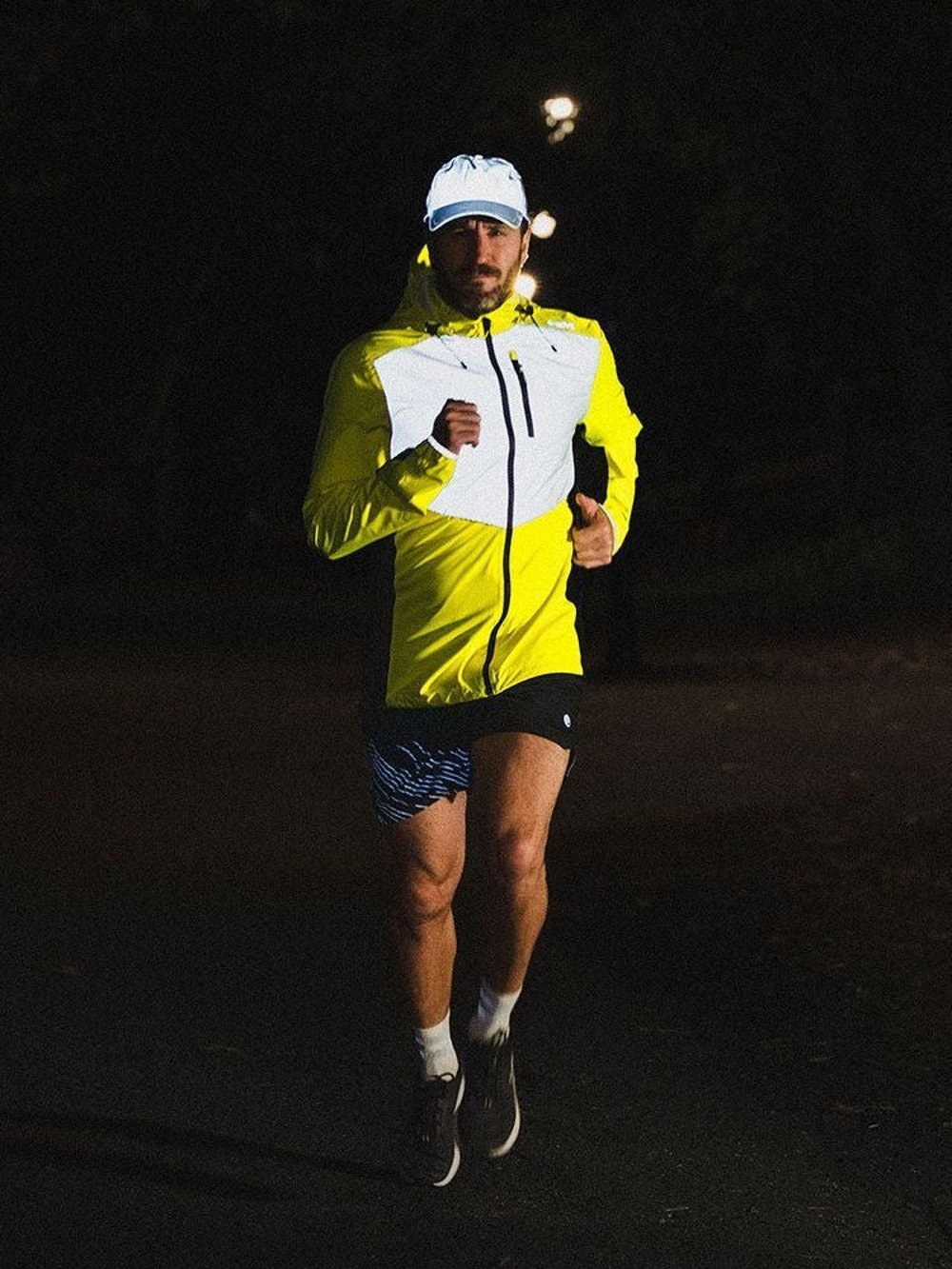
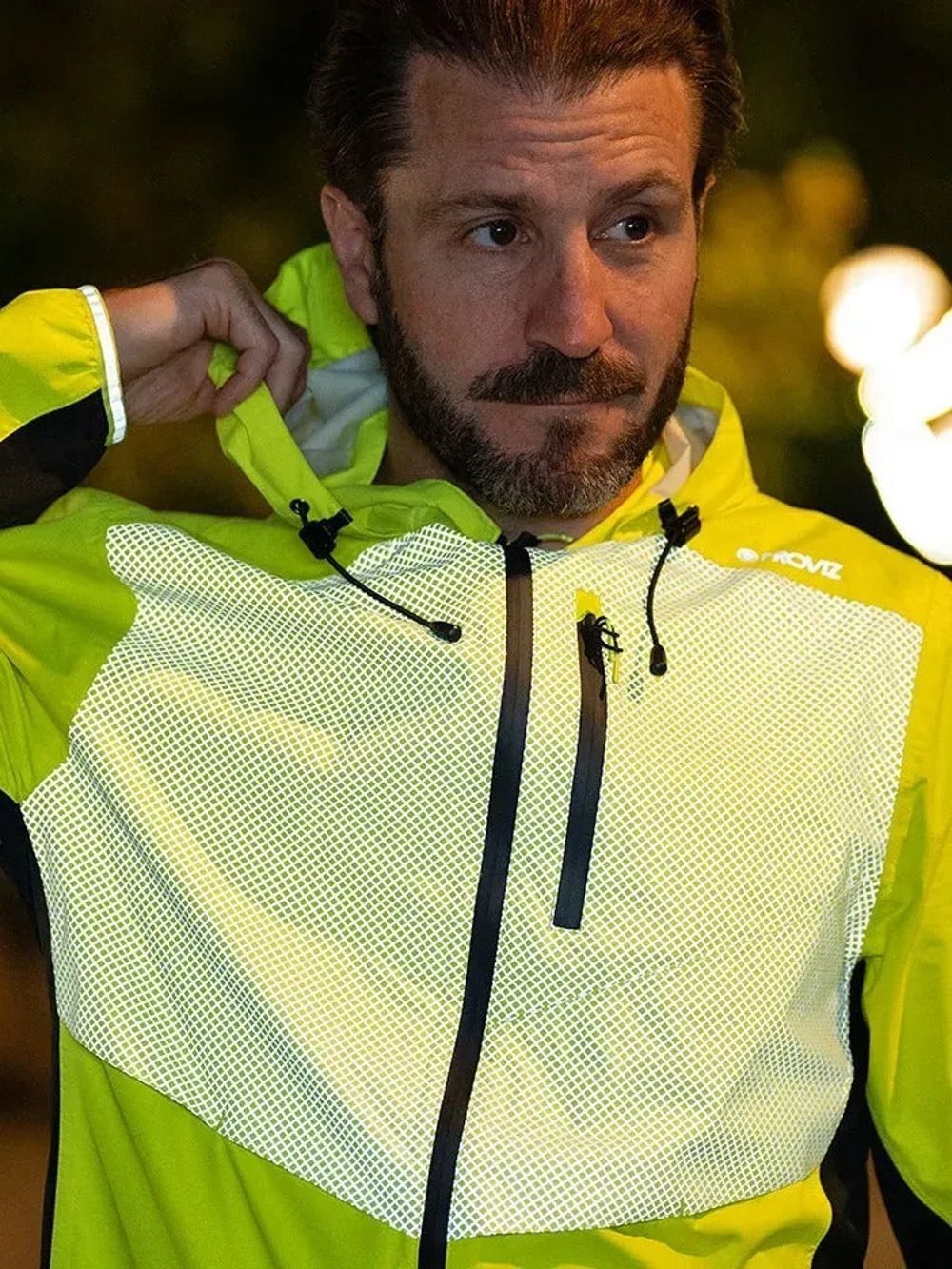
The Proviz Lumina jacket currently listed by Coes uses a yellow outer with reflective transfer prints on the chest and back. Coes describes a 15k/15k waterproofing and breathability rating, underarm and back ventilation, an adjustable waistband and a hood with a visor. Treat those as the merchant’s product specifications and check the current page for changes before buying.
For a spectator, the useful details are simpler: can the hood turn with your head, can the hem be adjusted over a mid-layer, and can the zip be operated with cold fingers? Try the jacket with the exact fleece or knit you expect to wear. A close athletic fit may work for running but leave little room for a stationary day. Visibility helps others notice you, but it does not replace careful road crossing, marshal instructions or lights when walking after dark.
Pockets need assigned jobs
Coes lists a chest phone pocket and a full-width back pocket on the Lumina, both with waterproof SBS zippers. A zip and a fabric rating do not make every item invulnerable, so important electronics and paper tickets still belong in a small inner pouch. Assign one pocket to the phone and one to soft items such as gloves or a folded cap. Do not mix keys against a screen.
Carry food where it can be reached without opening the jacket in heavy rain. If a backpack is necessary, check whether its straps cover reflective panels or press on pocket zips. A small pack with a separate rain cover often works better than filling every jacket pocket until the shell pulls out of shape. The spectator kit succeeds when hands can manage a camera, barrier and snack without a long search.
Choose footwear for standing as well as walking
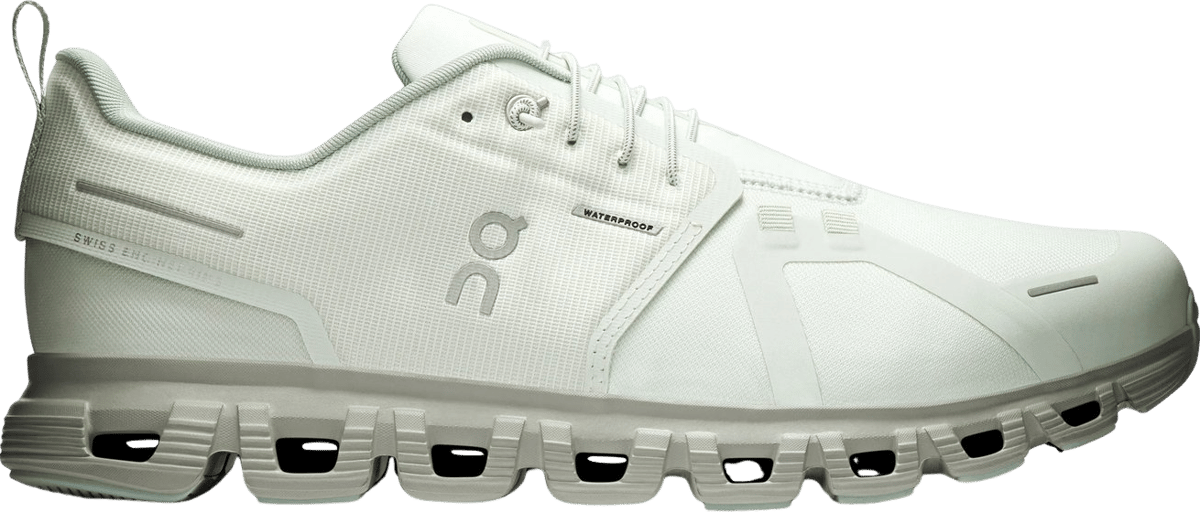
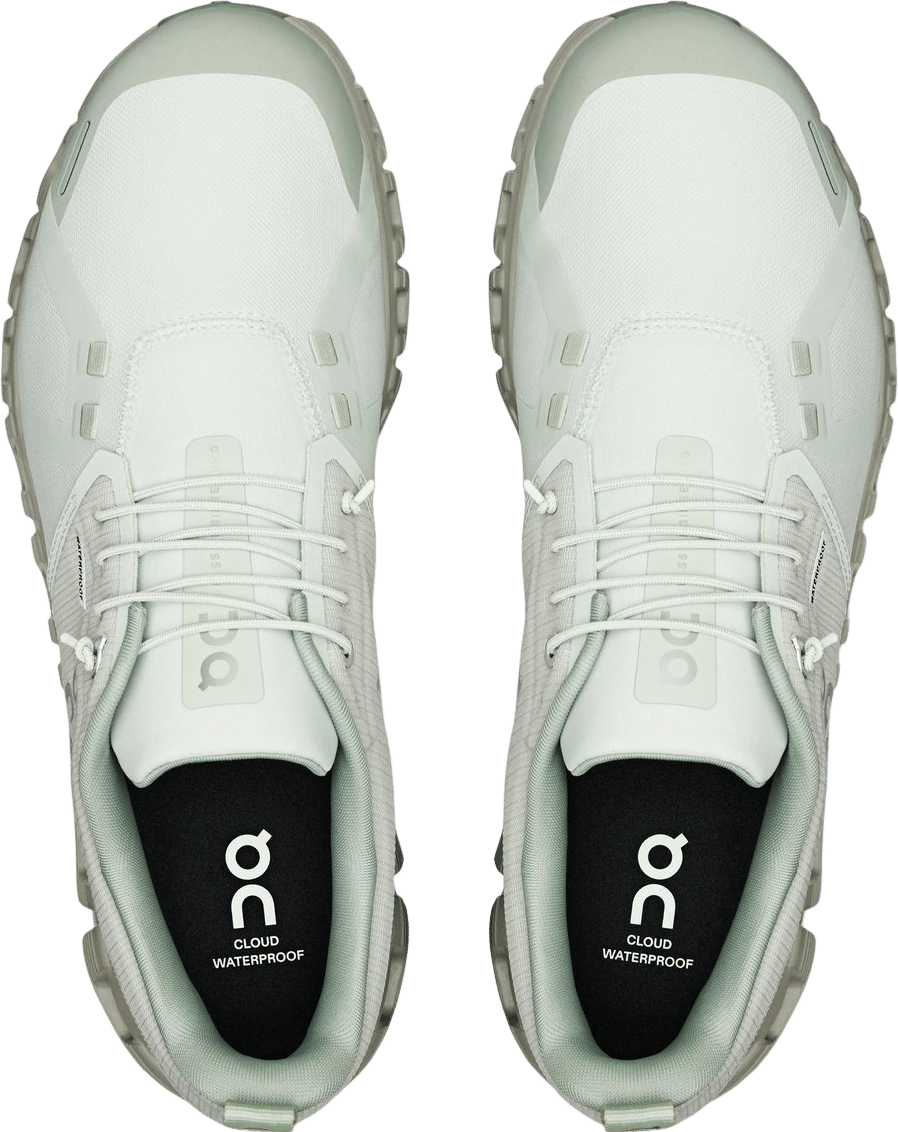
Coes describes the ON Cloud 6 Waterproof as an all-day trainer with a waterproof membrane beneath a streamlined upper, intended for wet pavements, commuting, town use and light trails. That makes it relevant to a race day that mixes station platforms, streets and a firm verge. It is not a substitute for a boot when the route involves deep mud, flooded ground or rough hillside access.
Fit matters more than the word waterproof. Try the shoe with the socks you will wear for several hours and allow normal toe room. Wet trousers can channel water into any low shoe from above, so consider the hem and the depth of puddles. Pack a dry pair of socks in a sealed bag. They take almost no space and make the journey home far more civilised if water enters from the collar.
Build warmth under the rain layer
A waterproof outer manages weather; it does not create a complete temperature system. Start with a comfortable base layer that does not stay clammy after the walk from transport. Add a thin mid-layer that can be removed and packed. Avoid one bulky piece that leaves no useful adjustment between too warm on the approach and too cold beside the barriers.
Test the stack at home. Raise both arms, turn to look behind and sit as if on a low wall. Check that cuffs overlap gloves and the back remains covered when leaning forward. A spectator bends, reaches and carries more than a shop mirror suggests. If the shell becomes tight across the shoulders with the mid-layer, change the combination rather than hoping it will settle during the day.
Browse current wet-weather pieces at Coes
Arrival: stay dry before the race starts
Put the shell on before leaving shelter if steady rain is already falling. Stopping on a narrow pavement to unpack it is awkward, and the insulating layer works better when it has not already absorbed water. Keep the route map or event information available offline in case reception becomes crowded. Note any road closures that affect the walk back.
At the course, choose a position that respects barriers, driveways and marshal sightlines. Bright clothing can make you easier to see, but it does not give permission to stand in a restricted area. Keep bag straps and loose accessories clear of passing riders. If umbrellas are allowed, hold them where they do not block another spectator’s view or swing toward the roadway.
Waiting: manage heat before it becomes cold
Long waits encourage two opposite mistakes: keeping every vent closed until the inner layers are damp, or removing too much because the walk felt warm. Use the jacket’s adjustments gradually. Open a vent or loosen the neck while moving, then close it before the group arrives and you become stationary. Keep the dry mid-layer easy to reach rather than buried below food and camera gear.
Move occasionally without leaving the safe viewing area. A short walk to refill water or check the route can be more comfortable than standing rigidly for an hour. Eat before hunger becomes distracting. Race schedules change, so assume the wait may be longer than published. The kit should support patience; it cannot make a delayed convoy arrive on time.
The race passage: simplify
Five minutes before the expected arrival, put away anything you do not need. Zip pockets, secure the pack and decide whether the phone or camera is actually coming out. Rain on a screen, gloves and a fast-moving bunch are a poor moment for switching apps. If taking a photograph, frame the safe course position first and watch the riders with your eyes as well as through the display.
Cheer without leaning through barriers or stepping into gaps. Follow marshal instructions immediately. A reflective jacket is useful on the walk and in low light, but riders and race vehicles still need predictable spectators. The best moment of the day is often the one experienced directly, even if the photograph is less dramatic.
The return journey is part of the kit
After the field passes, roads may remain closed and public transport may be busy. Close vents before the body cools, replace the dry mid-layer if needed and use the sealed socks if the originals are wet. Keep the jacket on until you reach reliable shelter; a final shower in the station queue can undo a careful day.
At home, empty every pocket before hanging the shell. Follow the care label rather than assuming normal detergent and heat are appropriate for technical fabric. Remove insoles if the trainers are damp and let them dry away from direct high heat. Maintenance is not glamorous, but it is what keeps a race-day kit ready for the next wet forecast.
A ten-item check before leaving
Shell, adjustable mid-layer, weather-suitable trousers, waterproof footwear, spare dry socks, thin gloves, sealed phone pouch, food, water and a compact bag cover form a useful starting list. Add event-specific items only after those basics are packed. A seat pad, power bank or camera may earn a place; three speculative gadgets usually do not.
Check current product details, sizes, stock, delivery and returns on Coes before ordering. The Lumina and Cloud 6 solve different parts of the day, and neither guarantees comfort in every condition. The dependable approach is a system: visible outer, measured layers, appropriate ground contact and one dry reserve for the journey home.
Before departure, wear the complete kit for a brisk twenty-minute walk and then stand outside for five minutes. That simple rehearsal exposes tight layering, noisy pocket contents and a hood that limits the view long before the race.
