
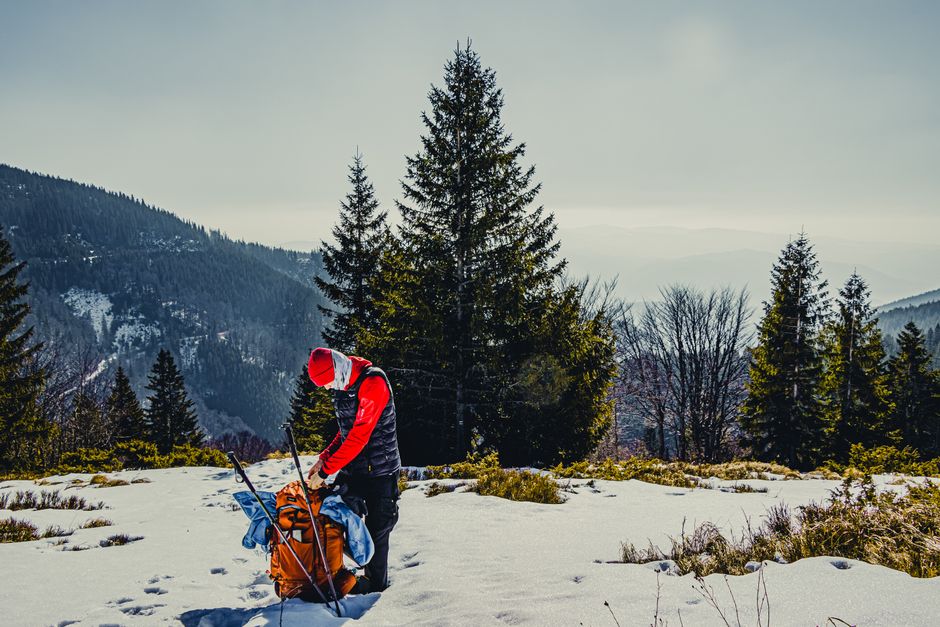
Last summer, a friend showed up for a three-day trip in the Sierra with a 65-liter pack stuffed so full the lid was floating six inches above the main compartment. He’d read online that “multi-day hikes need 60+ liters.” His sleeping bag was a cheap synthetic that compressed to the size of a beach ball. His cook kit was a cast iron skillet. By mile four, he was hunched over like a question mark, and I spent the next two days redistributing his load into my 40-liter pack.
The problem wasn’t his pack. It was his size choice. He bought volume he didn’t need, then filled it with gear that didn’t belong on a trail. A hiking backpack size guide isn’t about picking the biggest number on the tag. It’s about matching three things: trip length, gear density, and your torso length. Get those right, and you can carry three days of food in 35 liters without breaking a sweat. Get them wrong, and you’ll hate every step.
I’ve owned eleven packs over the last decade — from a 12-liter day pack to a 75-liter behemoth I used exactly once. Here’s what I’ve learned about sizing, with real numbers and real product names. No theory. Just what works.
Why Liter Ratings Lie: The Real Volume Test
Every pack manufacturer measures volume differently. Osprey might call a pack 38 liters. Gregory calls a similar shape 42 liters. Neither is wrong — they use different testing methods. The ASTM standard (F2153) exists, but most brands don’t follow it closely. So when you see “40 liters” on a tag, treat it as a rough neighborhood, not an exact address.
Here’s a better test: grab your three bulkiest items — sleeping bag, tent, and sleeping pad — and stuff them into the pack at the store. If they fit with room for a day’s food and a water bottle, that’s your size. I’ve done this with the Osprey Exos 48 ($220) and the Gregory Focal 48 ($230). Both claim 48 liters. The Osprey swallows a 15-degree down bag and a two-person tent easily. The Gregory feels tighter with the same load because its frame curves inward more.
Brands also exaggerate by counting external pockets. A pack might say 50 liters, but 8 of those are in mesh pockets that bulge awkwardly when full. The Deuter Aircontact Lite 50+10 ($260) includes the extension collar and side pockets in that number. If you pack only the main compartment, you get about 42 usable liters. That’s a 16% overstatement. Always subtract 10-15% from the claimed volume for a realistic usable number.
How to Measure Your Actual Gear Volume
Do this at home before you shop. Pile everything you’d take on a trip — tent, bag, pad, clothes, stove, food, water bladder. Stuff it into a trash bag, seal it, and submerge it in a bathtub filled to the brim. Catch the overflow water and measure it. That’s your true gear volume in milliliters. Divide by 1000 to get liters. I did this with my three-season kit and got 31.5 liters. My winter kit came out at 44 liters. That told me exactly which pack sizes to look at — 35-40 liters for summer, 50-55 liters for winter.
Day Hikes: 10 to 25 Liters — Don’t Overthink It
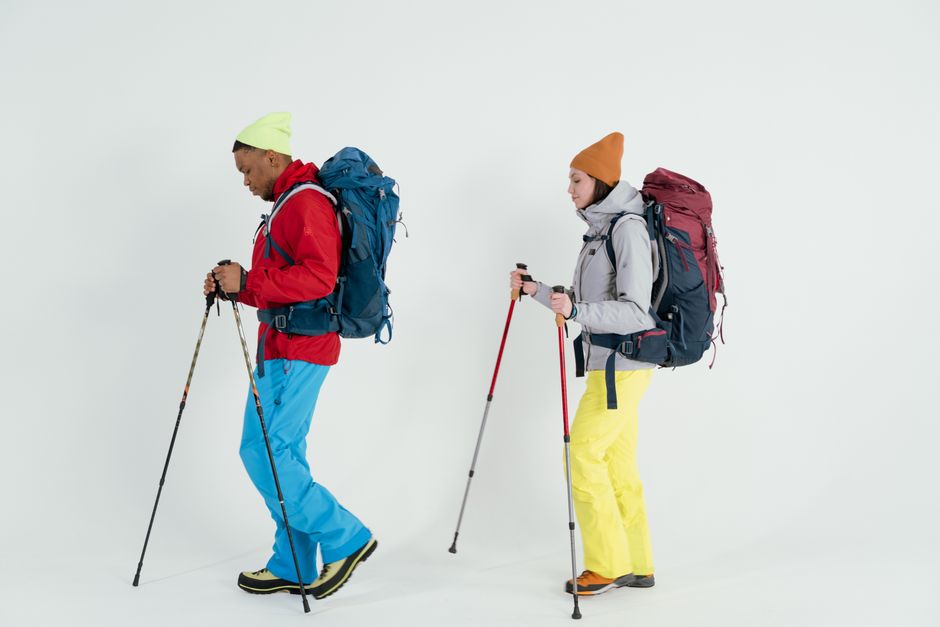
For a single-day hike, you need water, snacks, a rain jacket, a first aid kit, and maybe a filter. That’s it. Anything bigger than 25 liters is wasted space you’ll fill with junk. I see people on popular trails carrying 35-liter packs for a three-mile loop. They’re carrying five pounds of empty fabric.
The REI Co-op Flash 22 ($60) is my go-to for day hikes under 10 miles. It weighs 11 ounces, has a hydration sleeve, and fits a 2-liter water bladder plus a puffy jacket. For longer day hikes or trips where I might need microspikes and extra layers, I grab the Osprey Daylite 20 ($70). It’s 20 liters, has a padded back panel, and attaches to larger packs as a summit bag. Both are under $75 and will last years.
If you’re carrying camera gear or a drone, bump to 22-25 liters. The Peak Design Everyday Backpack 20L ($280) is overkill for hiking — too heavy, too stiff — but the Mountain Hardwear Scrambler 25 ($110) works well. It has a roll-top closure that expands slightly, and the hip belt is removable. Just don’t buy a 30-liter pack for day hikes. You’ll regret the extra weight on your shoulders by mile six.
Overnight and Weekend Trips: 30 to 45 Liters — The Sweet Spot
This is where most hikers get it wrong. They think “overnight” means 50+ liters. It doesn’t. With modern ultralight gear, a weekend trip fits in 35 liters. I’ve done three nights in the Grand Canyon with a Hyperlite Mountain Gear 3400 Southwest ($345) — 55 liters claimed, but I packed it to about 40 liters and had room left over. The extra volume was empty, and the pack carried fine because it’s frameless and compresses down.
For most people doing 1-3 night trips with standard gear (a synthetic bag, a three-season tent, a canister stove), 40 liters is the magic number. The Osprey Talon 44 ($180) is the most popular pack in this category for good reason. It has a trampoline back panel that keeps sweat off your spine, two hip belt pockets for snacks, and a removable rain cover. I’ve used it on 20+ trips. The only downside is the lid — it’s fixed, not removable, so you can’t shave weight for short trips.
If you’re a woman, don’t just buy a smaller version of a men’s pack. Women’s-specific packs like the Osprey Tempest 40 ($180) or Gregory Jade 38 ($200) have shorter torso lengths, narrower shoulder straps, and hip belts that curve differently. I’ve watched female hikers struggle with men’s packs that dig into their hips. The Jade 38 is particularly good for petite frames — it comes in XS/S sizes that fit torsos as short as 14 inches.
What Fits in 40 Liters (Real Example)
| Item | Volume Used (Liters) | Notes |
|---|---|---|
| Sleeping bag (down, 20°F) | 8 | Compressed to 10×7 inches |
| Sleeping pad (inflatable) | 3 | Rolled, strapped outside |
| Tent (2-person, trekking pole) | 6 | Poles in side pocket |
| Clothes (3 layers, rain jacket) | 5 | Stuffed, not folded |
| Food (3 days, dehydrated) | 6 | Bear canister if required |
| Water (2 liters + filter) | 3 | Bladder in sleeve |
| Misc (first aid, headlamp, knife) | 2 | Distributed in pockets |
| Total | 33 | 7 liters spare for extras |
That leaves 7 liters for a bear canister (if required), extra water for dry stretches, or a luxury item like a camp chair. If you’re using a bear canister like the BearVault BV500 ($80), add 9 liters to your pack size — that’s why 50-liter packs exist for trips in bear country.
Multi-Day Treks (4+ Days): 50 to 65 Liters — But Only If You Need It
For trips longer than four days, volume needs jump because of food. Each day adds about 1.5 liters of dehydrated food. A 7-day trip means 10.5 liters just for food. Add a bear canister (9 liters), and you’re at 19.5 liters before you account for your shelter and sleep system. That’s why 55-65 liter packs exist.
But here’s the catch: most people buy 65-liter packs for trips that don’t need them. If you’re doing a 5-day trip with a partner and splitting tent weight, a 50-liter pack like the Deuter Futura 50+10 ($220) is plenty. The +10 means an extension collar that adds 10 liters for bulky items. I used this pack on a 6-day trip in Patagonia. The collar was extended for the first two days (full food load), then compressed as we ate through supplies. By day four, it was a 40-liter pack again.
The Osprey Atmos 65 ($270) is the industry standard for this category. It has a suspended mesh back panel that keeps your back dry, a removable top lid that converts to a day pack, and a frame that transfers weight to your hips efficiently. I’ve carried 40 pounds in it and felt fine . The downsides: it’s heavy (4 pounds 11 ounces) and the hip belt pockets are small — my iPhone 14 Pro barely fits.
If you’re going ultralight, skip the 65-liter packs entirely. The Hyperlite Mountain Gear 4400 ($375) is 70 liters but weighs only 2 pounds. It’s frameless, so you can’t carry more than 25 pounds comfortably, but if your base weight is under 15 pounds, it’s perfect for 7+ day trips. I’ve seen PCT thru-hikers finish with this pack and a total pack weight of 28 pounds including food and water.
The Torso Length Trap: Why 90% of People Wear the Wrong Size
You can buy the perfect liter size and still hate your pack if the torso length is wrong. A pack that’s too long sits on your glutes instead of your hips. A pack that’s too short rides up and pulls your shoulders back. Both cause pain within two miles.
Measuring your torso length isn’t hard. Find your C7 vertebra (the bony bump at the base of your neck when you tilt your head forward). Find your iliac crest (the top of your hip bones — put your hands on your hips and feel the top edge). Have a friend measure the distance between those two points. That’s your torso length. Most adults fall between 16 and 20 inches.
Osprey and Gregory both offer packs in multiple torso sizes. The Gregory Baltoro 65 ($300) comes in S, M, L, and XL, each with a 2-inch range. The Deuter Aircontact Lite 50+10 comes in one size with an adjustable back system that slides up and down. I prefer the adjustable systems because they let me fine-tune the fit for different layers. In winter with a thick fleece, I slide the back panel up an inch. In summer with a thin shirt, I slide it down.
If you’re between sizes, go smaller. A slightly short pack can be compensated with a hip belt that sits correctly. A pack that’s too long will never transfer weight properly. I’m 5’10” with an 18.5-inch torso. I wear a medium in most brands. A large feels fine in the store, but after 8 miles, it’s digging into my lower back.
How to Test Fit in a Store (Without Buying First)
Load the pack with 20 pounds of sandbags or water bottles. Tighten the hip belt first — it should sit on your hip bones, not your waist. Then tighten the shoulder straps until they’re snug but not pulling. The load lifters (the straps that angle from the top of the shoulder strap to the pack) should be at a 45-degree angle. If they’re horizontal, the pack is too tall. If they’re vertical, it’s too short. Walk around for 10 minutes. If you feel pressure on your shoulders, the hip belt isn’t carrying the weight. Adjust and try again.
When a Smaller Pack Is Better Than a Bigger One
I’ll say it plainly: most hikers should buy a pack one size smaller than they think they need. A smaller pack forces you to bring less gear. Less gear means less weight. Less weight means more miles and less pain. The best hiking backpack size is the smallest one that holds your gear without bulging at the seams.
The failure mode here is “just-in-case” packing. You buy a 65-liter pack because you might need a puffy jacket, a rain shell, extra socks, a book, a camp chair, and three days of food. Then you bring all of it because you have space. Now you’re carrying 35 pounds for a weekend trip. I’ve done this. It sucks.
If you’re new to backpacking, start with a 40-liter pack. It’s big enough for a 3-night trip with standard gear, and small enough that you can’t overpack. As you get more experience and lighter gear, you might drop to 35 liters. I’ve done 5-night trips with a 40-liter pack by using a tarp instead of a tent and a down quilt instead of a sleeping bag. The limitation is liberating.
One exception: if you hike with a dog and carry their food and gear, add 10-15 liters. The Ruffwear Approach ($130) is a dog pack, not a human pack, but if your dog carries its own food, you can stay in a 40-liter pack. If you carry everything for both of you, you need 55-65 liters. I learned this the hard way on a trip with my 70-pound lab. His food alone took 6 liters for a 4-day trip. I switched to a 55-liter pack and never looked back.
