
You walk into an outdoor store and see 200 sleeping bags. Some cost $50. Some cost $800. The salesperson tells you both are “great for camping.” That’s not helpful. That’s noise.
A truly great outdoor adventure store does not sell you gear you don’t need. It helps you avoid the mistakes that ruin trips. This article explains what separates a good store from a bad one, what to look for, and what to never buy without thinking twice.
What Makes a Store Great vs. Just Big
Size matters less than expertise. A store with 10,000 square feet and a climbing wall might have staff who have never slept outside. A small shop with three employees who just finished a 200-mile hike can save you money and discomfort.
Here is what separates them:
- Staff knowledge: Can they explain the difference between a down fill power of 650 and 850? Do they know the specific trail conditions near you? If they cannot answer basic questions, walk out.
- Return policy: REI’s one-year return policy is the gold standard. Many stores offer 30 days or nothing. A good store stands behind its gear. If the store says “all sales final” on a $400 tent, that is a red flag.
- In-store testing: Can you set up a tent on the floor? Can you load a backpack with weighted bags? The best stores let you try before you buy. If they won’t let you touch the gear, they are a warehouse, not an adventure store.
- Gear for your specific trip: A store that sells the same three tents for desert hiking, alpine climbing, and canoe camping is not serving you. They are serving their inventory. A great store will tell you “The MSR Hubba Hubba NX is great for three-season backpacking, but for winter camping you need the Mountain Hardwear Trango.”
Verdict: A great store is defined by expertise, not square footage. If the staff cannot answer a simple question about trail conditions or insulation types, leave.
How to Spot a Tourist Trap Adventure Store
Not all outdoor stores are created equal. Some exist solely to sell cheap, branded junk to people who don’t know better. These stores share common traits.
Warning signs:
- No brand names you recognize: If every sleeping bag says “Expedition Pro” or “Alpine Force” and you cannot find the brand online, that is a red flag. Real gear companies like Patagonia, The North Face, Arc’teryx, Osprey, and MSR spend years building reputations. Knockoffs spend money on packaging.
- Everything is on “clearance”: A store that always has a 50% off sale is not a deal. They are selling old, low-quality inventory at a markup that still gives them profit. Real sales happen seasonally. Fake sales happen daily.
- Staff push the most expensive item first: A good salesperson asks about your trip before recommending gear. A bad one points to the $600 jacket immediately. That is commission-driven selling, not adventure-driven advice.
- The gear looks cheap in person: Zippers that catch. Seams that are not taped. Fabric that feels thin. If a tent or jacket looks flimsy on the rack, it will fail on the trail.
One specific brand to trust: Kelty makes solid entry-level gear that is not junk. Their Kelty Late Start 20 sleeping bag ($130) is a real budget option that works. Compare that to a no-name bag for $80 that is rated to 20°F but will leave you cold at 40°F.
Verdict: If the store has no recognizable brands, everything is on sale, and the staff cannot explain the difference between a 3-season and 4-season tent, you are in a tourist trap. Leave.
What to Never Buy at an Outdoor Store (and Where to Get It Instead)
Outdoor stores are great for some things. They are terrible for others. Here is what to buy elsewhere.
Camping Stoves: Buy Online
Camping stoves are standardized. The MSR PocketRocket 2 ($45) costs the same everywhere. The Jetboil Flash ($100) is the same price at REI and Amazon. There is no advantage to buying in-store unless you need it today. Online retailers often have better stock and faster shipping.
Water Filters: Buy Online
Water filters like the Sawyer Squeeze ($37) or Katadyn BeFree ($40) are small, lightweight, and do not need fitting. Buying in-store adds no value. Check prices online first. You will save $5–15.
Backpacks: Buy In-Store
Backpacks must fit your torso length. The Osprey Atmos AG 65 ($280) fits differently on every body. You must try it on with weight. Do not guess. Do not buy online unless you have tried the exact model in-store. Osprey has a great return policy, but shipping a pack back is a hassle.
Boots: Buy In-Store
Boots are the same as backpacks. Fit is everything. The Salomon X Ultra 4 Mid GTX ($175) fits narrow feet. The Merrell Moab 3 ($130) fits wide feet. You cannot know which is right without trying. A good store will let you walk around for 15 minutes. If they rush you, go somewhere else.
Tents: Buy In-Store or Online, But Set It Up First
Tents are tricky. The Big Agnes Copper Spur HV UL2 ($500) is a great ultralight tent, but it is not durable. The MSR Elixir 2 ($300) is heavier but tougher. You need to see the fabric, the pole system, and the vestibule size in person. If you cannot set it up in the store, find a store that lets you.
Verdict: Buy backpacks, boots, and tents in-store. Buy stoves, filters, and accessories online. Save money and avoid returns.
The One Item You Should Spend the Most Money On
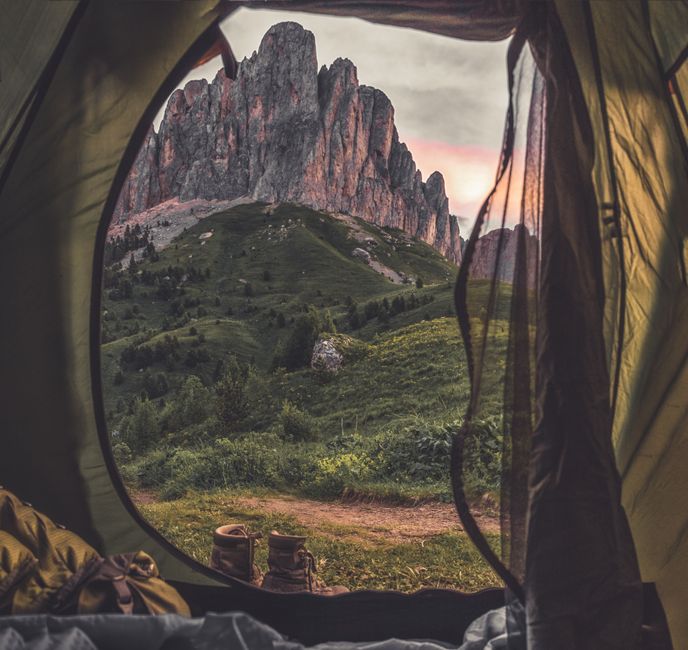
If you have a limited budget, spend it on your sleeping system. A bad night’s sleep ruins the next day. A good sleeping bag and pad make everything better.
Here is a comparison of three solid options at different price points:
| Product | Price | Weight | Temperature Rating | Best For |
|---|---|---|---|---|
| Therm-a-Rest NeoAir XLite NXT | $210 | 13 oz | 4.5 R-value | Ultralight backpackers, 3-season use |
| Nemo Tensor Insulated | $180 | 16 oz | 4.8 R-value | Side sleepers, comfort seekers |
| Exped MegaMat 10 | $230 | 44 oz | 10.6 R-value | Car campers, winter camping |
For a sleeping bag, the Sierra Designs Cloud 800 ($300, 800-fill down, 20°F rating) is a reliable choice that balances weight and warmth. The Mountain Hardwear Lamina Eco AF ($170) is a synthetic alternative that works better in wet conditions.
Verdict: Spend your money on a good sleeping pad and bag. A $400 tent is useless if you cannot sleep. A $200 pad and $300 bag will serve you for a decade.
When Renting Beats Buying
You do not need to own everything. Renting is often smarter.
Rent if:
- You are trying a new activity for the first time. Do not buy a $600 ski setup for one weekend. Rent skis, boots, and poles for $50/day.
- You travel by plane. Checking a tent, stove, and sleeping pad costs $60 in baggage fees. Renting at your destination costs $40 and saves hassle.
- You need specialized gear for one trip. A bear canister for a trip in Yosemite costs $45 to buy and $8 to rent. Rent it.
- You are not sure if you will use the gear again. Rent a kayak or stand-up paddleboard for a weekend before buying one.
Good stores offer rental programs. REI rents tents, backpacks, sleeping bags, and even bike racks. Local shops often rent gear for specific regions. Ask before you buy.
Verdict: Renting is not a sign of being unprepared. It is a sign of being smart with your money. Rent until you know exactly what you need.
How to Test Gear Before You Buy
You cannot trust specs alone. You must test gear in the store. Here is how.
Backpacks
Load the pack with 15–20 pounds of sandbags or pillows. Walk around for 10 minutes. Adjust the hip belt, shoulder straps, and load lifters. The weight should sit on your hips, not your shoulders. If it hurts after 10 minutes, it will be unbearable after 10 miles.
Tents
Ask to set up the tent on the store floor. Check the pole system. Is it color-coded? Do the clips attach easily? Crawl inside. Can you sit up? Can you lie down without touching the walls? Check the vestibule size. Can you fit your pack and boots?
Sleeping Pads
Lie on the pad for at least 5 minutes. Inflate it fully. Does it feel stable? Do you feel the ground through it? The Therm-a-Rest NeoAir XLite NXT has a slight crinkle sound. The Nemo Tensor is quieter. Which bothers you less? That is personal.
Boots
Wear the socks you will hike in. Try boots in the afternoon when your feet are slightly swollen. Walk on a ramp if the store has one. Your heel should not lift. Your toes should not hit the front on downhills. The La Sportiva Ultra Raptor II ($175) fits narrow feet well. The Keen Targhee III ($160) is wider.
Verdict: Never buy a pack, tent, pad, or boot without testing it first. A 15-minute test in the store saves weeks of regret on the trail.
Final Comparison: What to Buy at a Great Outdoor Store vs. What to Buy Online
| Item | Buy In-Store | Buy Online | Reason |
|---|---|---|---|
| Backpack | Yes | No | Fit is critical. Must try with weight. |
| Boots | Yes | No | Fit varies by brand. Must walk in them. |
| Sleeping Pad | Yes | Optional | Comfort is personal. Test if possible. |
| Tent | Yes | Yes | Set up in-store first. Then buy wherever is cheaper. |
| Stove | No | Yes | Standardized product. No fit issues. |
| Water Filter | No | Yes | Same price everywhere. Buy online. |
| Sleeping Bag | Optional | Yes | Check temperature rating and fill type. If you know what you need, buy online. |
A great outdoor adventure store is not about the biggest selection or the flashiest displays. It is about staff who know the difference between a 3-season and 4-season tent, a return policy that protects you, and the willingness to tell you when renting is better than buying. Find that store, and you will save money, time, and misery on every trip.
