
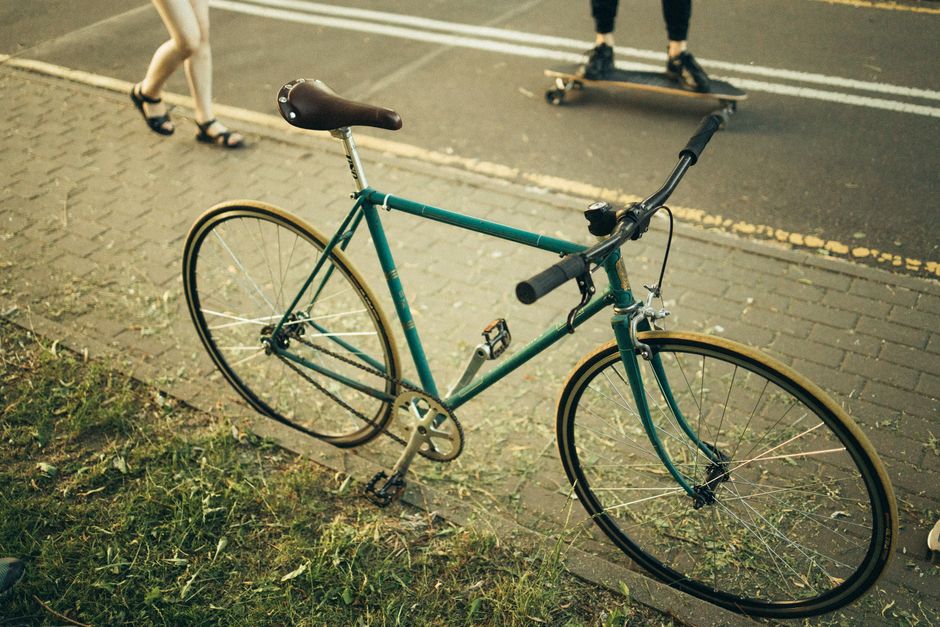
Pedals change how confidently you start, stop, and ride through traffic. For most daily commuters, flat pedals are the better default, while clipless pedals make sense for longer rides with fewer stops.
Why Flat Pedals Win in Stop-and-Go Traffic
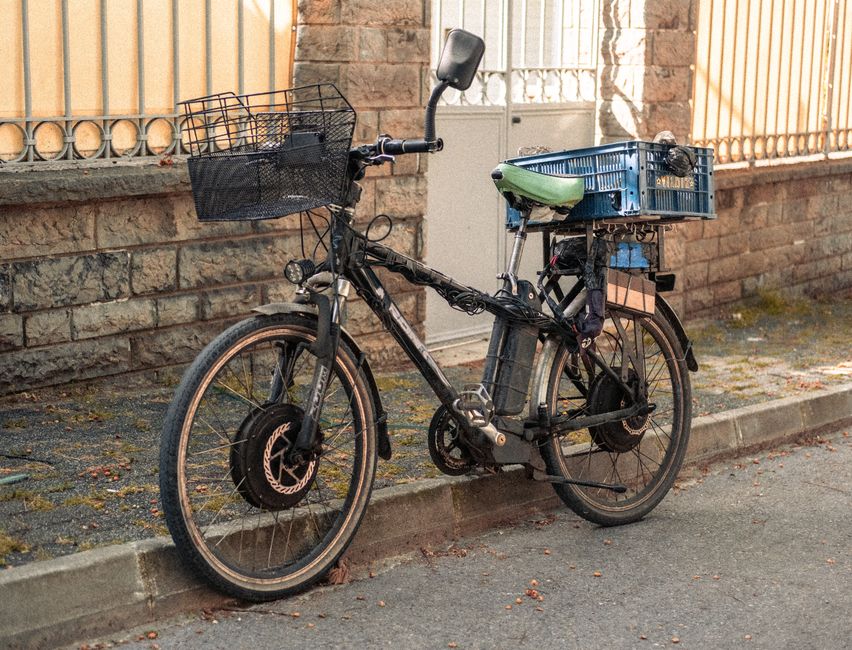
For dense city commuting, flat pedals are the safer and faster choice. You can ride in work shoes, put a foot down at a red light, and recover from a wobble without thinking about a release mechanism. That advantage becomes larger on routes with taxis, door zones, crowded crossings, and uneven surfaces.
- Count your stops. If you stop more than 10 times during a typical trip, flat pedals remove repeated clipping and unclipping decisions.
- Check your parking distance. A commute that includes a supermarket, train platform, or office stairs favors normal shoes and a pedal with a broad platform.
- Match the pedal to your shoes. A large, slightly concave platform grips casual sneakers better than a narrow touring pedal.
- Use pins with restraint. Sharp pins improve grip, but very tall pins can damage soft soles and make a missed foot placement painful.
Flat pedals also make bike sharing easier between household members. They reduce the cost of a second pair of cycling shoes and remove the need to carry walking shoes. The tradeoff is real: your foot can move on the pedal, and a loose position may cause hot spots on longer rides.
For most urban riders, that tradeoff is worth it. A stable flat pedal and a firm-soled sneaker give enough control for normal traffic while keeping every stop simple.
How to Learn Clipless Pedals Before Commuting
Learning clipless pedals on the road is a bad plan. The release movement feels small, but a rider who has spent years using flats may still forget it during a sudden stop. Practice turns the movement into a reflex before traffic adds pressure.
Set the release tension low
Start with the pedal tension at its lightest useful setting. Shimano SPD pedals often include an adjustment screw on each binding. Turn both sides equally and confirm that the cleat can release with a deliberate outward heel twist. Do not make the setting so loose that the shoe disengages when you pull hard or hit a pothole.
Use the cleats supplied with the pedals. Shimano SM-SH56 multi-release cleats give beginners more release options than the single-release SM-SH51 cleats. That does not make them impossible to misuse, but it gives a new rider more margin while learning.
Practice one side at a time
Ride in an empty parking lot or on a quiet, flat path. Clip in, pedal for 20 seconds, and release the same foot. Repeat 20 times. Then practice releasing both feet, stopping beside a fixed line, and starting again. Keep your eyes forward. Looking down at the pedal makes the bike wander.
Rehearse the emergency sequence
Before the first commute, repeat this sequence until it feels automatic: stop pedaling, shift your weight toward the foot you plan to place down, twist that heel outward, then brake smoothly. Practice at walking speed, not only at full speed. Also practice unclipping before a turn and before a junction, because waiting until the last second creates panic.
For the first week, unclip one foot before every planned stop. That habit costs a little efficiency but prevents the most common beginner crash: stopping successfully while still attached to the bike. Clipless pedals become a good commuter tool only after the release action happens without conscious thought.
Three Commuter Pedal Setups That Actually Work
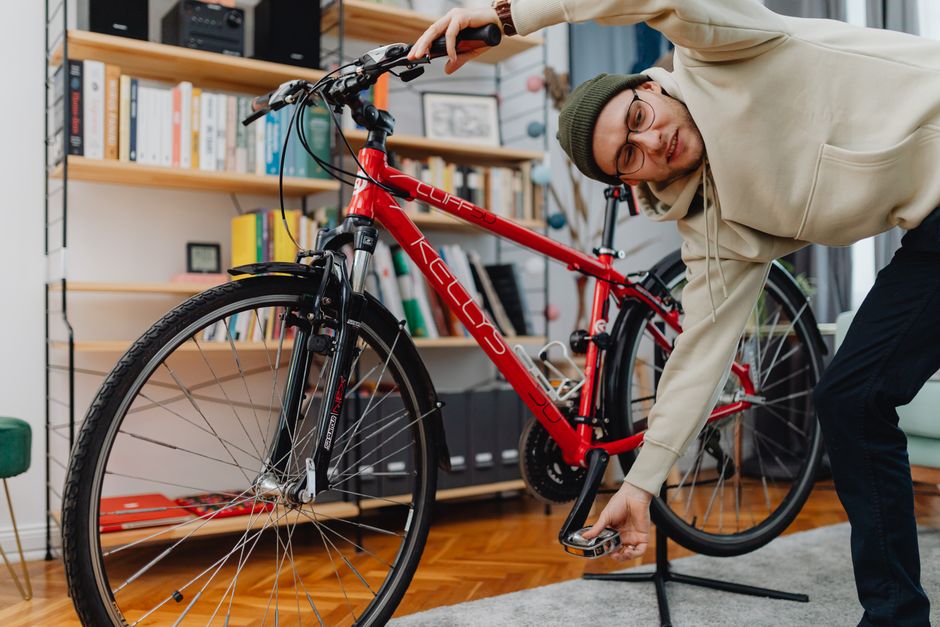
The best setup depends on the balance between walking, traffic, and ride length. These are the three combinations I would choose in 2026.
- Best all-rounder: Shimano PD-EH500. This single-sided SPD and flat pedal weighs about 379 grams per pair, has a 17.4mm stack height, and includes SM-SH56 cleats. The flat side works with ordinary shoes, so it is the strongest choice for a mixed commute where you sometimes ride clipped in and sometimes do not. Typical street pricing is about $80 to $100. Verdict: buy this for weekday flexibility.
- Best simple flat pedal: Shimano PD-GR500. This alloy platform costs about $95 from Shimano and uses nine replaceable, height-adjustable pins per side. Its concave shape gives a secure shoe position without requiring cleats. Verdict: choose it for wet urban routes, casual shoes, and riders who want grip without clipless practice.
- Best aggressive flat pedal value: Race Face Chester. The composite Chester weighs about 345 grams in the small size and 355 grams in the large size. Its broad platform and replaceable pins give sneakers a strong hold, while the composite body keeps the price near the $50 to $60 range in many markets. Verdict: choose the large version for big shoes or rough roads.
Two buying tips matter more than color. First, check the pedal axle direction before installation; the left and right threads tighten in opposite directions. Second, use a quality 6mm or 8mm hex key and tighten the pedal firmly without rounding the axle.
If your commute includes more than a mile of walking, skip road-style clipless pedals. Their exposed cleats are awkward on pavement. Recessed SPD shoes work better, but flat pedals still win when walking is a daily part of the trip.
Commuter Pedal Mistakes That Cause Problems
Pedal choice rarely ruins a commute by itself. The usual trouble comes from buying a pedal for a different type of riding or ignoring the small details that keep the connection reliable.
- Buying clipless pedals for a five-minute ride. The setup adds shoes, cleats, practice, and maintenance without giving enough distance to repay the effort. Buy flats instead.
- Using smooth dress shoes on tiny flat pedals. A narrow platform lets the shoe roll and creates pressure under one part of the foot. Choose a broad platform with a firm sole.
- Setting clipless tension too tight. High tension does not make a beginner safer. It only makes a rushed release harder. Start low and raise it after several controlled rides.
- Waiting to unclip until the bike stops. Release before the junction, not after the light changes. A planned release is calm; a last-second release is a balance test.
- Ignoring cleat wear. Worn cleats can develop play, fail to release cleanly, or disengage unexpectedly. Replace them when the shoe feels loose or the release becomes inconsistent.
- Using metal pins with thin office shoes. Pins can chew through soft rubber. For work clothes and delicate shoes, use a smoother commuter platform or a dual-sided pedal with a protected flat face.
There is also a common weight mistake. Saving 100 grams at the pedals will not transform a city bike, but losing reliable foot grip can change the whole ride. Prioritize platform control, release confidence, and shoe compatibility before chasing low weight.
Which Pedal Should Each Commuter Buy?

Should a beginner commuter start with clipless pedals?
No. Start with a good flat pedal unless the rider already owns recessed-cleat shoes and regularly rides longer distances. Flats teach balance, braking, cornering, and traffic awareness without adding a release task. After a month, the rider can switch if the route calls for more foot stability.
Are hybrid pedals worth buying?
Yes, but only when the rider will genuinely use both sides. The Shimano PD-EH500 is the best practical hybrid for most commuters because its SPD side supports efficient longer rides and its flat side handles normal shoes. The Crankbrothers Double Shot 3 is a more premium option at about 403 grams per pair, with a 94mm by 76mm flat side, eight adjustable pins per pedal, and an official EU price near €149.99. Verdict: buy the Shimano for value; choose the Double Shot 3 for a larger investment and a more substantial hybrid platform.
When should a commuter avoid clipless pedals?
Avoid them when the route has constant stops, frequent walking, steep slippery starts, or unpredictable traffic. Avoid them if you cannot practice in a quiet area first. The pedal cannot compensate for poor braking technique or a bike that does not fit correctly.
What is the final recommendation?
Choose flat pedals for short, crowded, or mixed-purpose commutes. Choose Shimano PD-EH500 hybrid pedals for longer rides where you still need normal shoes. Choose dual-sided Shimano PD-M520 pedals only when every rider on the bike is ready to use cycling shoes; the 373-gram pair has a 17mm stack and dual-sided SPD engagement, but no usable flat side. That is the cleanest buying rule: flats for convenience, hybrids for flexibility, and full clipless pedals for committed distance riding.
