

It is a persistent myth that women can simply buy a men’s basketball shoe, subtract 1.5 from the size, and expect a perfect fit. For years, the industry operated under the ‘shrink it and pink it’ philosophy, assuming that female athletes were just smaller versions of their male counterparts. They aren’t. I have spent a decade on the hardwood, and if there is one thing I have learned through multiple sprained ankles and bruised arches, it is that the anatomical differences in our feet—narrower heels, higher arches, and a different Q-angle—require specific engineering. If you are playing in shoes that don’t account for these factors, you aren’t just sacrificing comfort; you are actively inviting injury.
Why anatomical differences matter in women’s basketball shoe design
When we talk about the Q-angle, we are referring to the angle at which the quadriceps muscle meets the patella. Because women generally have wider hips, this angle is more pronounced than it is in men. This creates a different set of lateral forces during the heavy cutting and jumping inherent to basketball. A shoe that is too wide in the heel—a common issue with men’s models—allows the foot to slide internally, which can lead to instability and increased stress on the ACL. I’ve noticed that when I wear a shoe specifically built on a female last, my heel stays locked down, and that terrifying ‘micro-shift’ during a hard crossover disappears.
Then there is the matter of foot volume and arch height. On average, women have higher arches and a narrower midfoot. A standard unisex shoe often leaves too much ‘dead space’ above the foot. This isn’t just an aesthetic problem. Dead space means the upper material isn’t providing the containment it should. You want the shoe to feel like an extension of your foot, not a box your foot is rattling around in. Modern performance brands are finally catching up, utilizing 3D scans of female athletes to create midsoles that support the arch more aggressively and uppers that wrap the foot with precision.
Weight distribution also plays a role. Women typically have a lower center of gravity and different force-production patterns when jumping. This means the cushion setup needs to be responsive without being overly bulky. A shoe that is too stiff or has a midsole that is too thick can feel clunky, making you feel disconnected from the floor. The goal is a balance: enough impact protection to save your knees during a long tournament, but enough court feel to ensure your first step is as explosive as possible. It took the industry a long time to realize that ‘soft’ does not mean ‘supportive.’
Reviewing the top-performing women’s basketball shoes for 2024
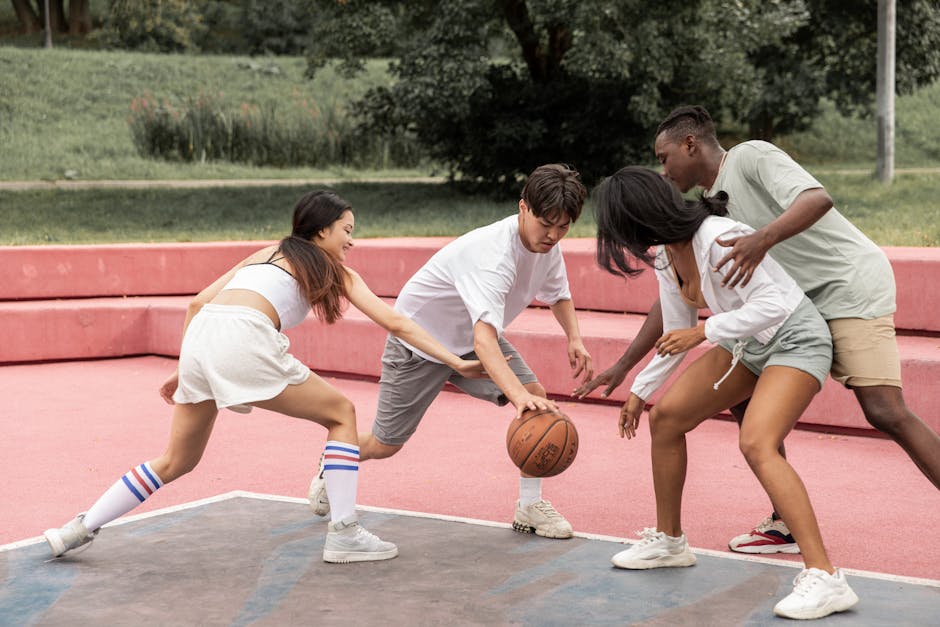
The current market is arguably the best it has ever been for female hoopers. We finally have signature lines that aren’t just marketing gimmicks but are genuine performance powerhouses. I have put several of this year’s top releases through their paces, and the following models stand out for their specific strengths on the court. Whether you are a shifty guard or a dominant post player, these are the shoes currently setting the standard in retail outlets.
Nike Sabrina 2
The Nike Sabrina 2 has quickly become my go-to for competitive play. Priced at approximately $130, it is a masterclass in minimalism and speed. The shoe features a forefoot Zoom Air unit paired with Cushlon 3.0 foam, which provides a snappy, low-to-the-ground feel. The weight is significantly lower than the previous iteration, making it one of the lightest shoes in my rotation.
- Pros: Incredible traction on dusty courts; extremely lightweight; excellent lockdown for narrow feet.
- Cons: The fit is very snug; players with wide feet will likely need to size up or look elsewhere; minimal impact protection for heavy leapers.
Puma Stewie 3
Breanna Stewart’s third signature shoe, the Puma Stewie 3, retails for around $125 and takes a different approach. It utilizes Puma’s NITRO foam, which is nitrogen-infused to provide high responsiveness with less weight. The traction pattern is inspired by Stewart’s career milestones, but practically speaking, it offers multi-directional grip that is hard to beat. It feels more substantial than the Sabrina 2, offering a bit more ‘meat’ under the foot for those who take a lot of contact.
- Pros: Superior cushioning for high-impact landings; very stable base; unique aesthetic.
- Cons: Slightly heavier than competitors; the upper materials can feel a bit stiff until they are fully broken in.
- Affiliate Note: These are widely available at major sports retailers often found on the awin network.
Under Armour Flow Breakthru 4
Under Armour continues to innovate with their rubberless ‘Flow’ technology. The Breakthru 4, priced at roughly $120, is built specifically on a women’s last. Because the midsole and outsole are one single piece of foam, the shoe is incredibly light and has a ‘stop-on-a-dime’ grip that feels almost glue-like on clean wood. It’s a polarizing shoe because there is no traditional rubber, but for pure performance, it’s hard to argue with the results.
- Pros: Best-in-class traction; designed specifically for female foot anatomy; zero-distraction fit.
- Cons: Durability on outdoor courts is poor (the foam wears down quickly on concrete); lack of traditional ‘bounce’ compared to Air units.
Adidas Exhibit B
For those looking for a reliable team shoe, the Adidas Exhibit B (approx. $100) is a workhorse. It uses Lightstrike cushioning, which is Adidas’s answer to lightweight performance foam. While it doesn’t have a signature athlete’s name attached, it is frequently worn by WNBA pros for its stability and reliable lateral support. It’s a bit wider than the Nike models, making it a better choice for players who find the Sabrina line too restrictive.
- Pros: Great value for the price; durable construction; accommodating fit for various foot shapes.
- Cons: The cushion can feel ‘dead’ after a few months of heavy use; the lacing system is somewhat basic.
Matching your basketball shoe to your specific position and court style
Not all basketball shoes are created equal, and your position on the court should dictate what you put on your feet. I’ve seen too many guards struggling with heavy, high-top ‘big man’ shoes and too many forwards complaining about shin splints because they are wearing minimalist guard shoes. You have to be honest about how you move. Are you a ‘slasher’ who relies on quick cuts and lateral speed, or are you a ‘spacer’ who needs stability for catch-and-shoot opportunities?
For guards and wings, traction and weight are everything. You need a shoe that allows for immediate energy transfer. When I’m playing at the top of the key, I want a shoe with a rounded outsole edge—like what you find on the Sabrina 2—which allows for smooth transitions during directional changes. If the shoe is too flat or has a wide ‘outrigger,’ it can feel like you’re fighting against the floor. Look for ‘decoupled’ outsoles that allow the front and back of your foot to move somewhat independently.
Post players and aggressive rebounders need to prioritize impact protection and torsional rigidity. When you are constantly jumping and landing in traffic, you are putting massive force through your midfoot. A shoe with a TPU (thermoplastic polyurethane) shank in the arch is vital; it prevents the shoe from twisting in ways your foot shouldn’t. This is where the Puma Stewie 3 or even some of the higher-end Jordan models excel. They offer a more robust platform that can handle the verticality of the modern game without collapsing under pressure.
Court surface is the final, often overlooked variable. If you are playing primarily on outdoor asphalt, you can throw most ‘premium’ shoe tech out the window. The friction of concrete will shred the soft, high-grip rubber of a Nike or Under Armour shoe in weeks. For outdoor play, you need a shoe with a ‘hard’ rubber compound and deep traction grooves. I usually keep a pair of Adidas or lower-tier Nike ‘Takedown’ models for the park and save my Sabrina 2s strictly for the indoor hardwood. It’s a simple way to make your investment last twice as long.
Evaluating the cost of performance: Budget vs. elite basketball footwear
Is a $160 shoe really twice as good as an $80 shoe? In the world of basketball footwear, the law of diminishing returns hits hard after the $130 mark. When you pay for a premium model, you are usually paying for three things: lighter materials, more advanced cushioning (like Pebax-based foams or multi-chambered Air units), and signature athlete branding. For a high-school or collegiate player practicing two hours a day, those differences are tangible. The reduced fatigue from a better cushion setup can be the difference between a strong fourth quarter and ‘heavy legs.’
| Model | Approx. Price | Primary Cushioning | Best For |
|---|---|---|---|
| Nike Sabrina 2 | $130 | Zoom Air / Cushlon 3.0 | Quick Guards |
| Puma Stewie 3 | $125 | NITRO Foam | Versatile Forwards |
| UA Flow Breakthru 4 | $120 | Flow (Rubberless) | Max Traction |
| Adidas Exhibit B | $100 | Lightstrike | Stability / Value |
| Nike Precision 6 | $75 | Standard Phylon | Outdoor / Budget |
However, if you are a casual weekend warrior, a budget-friendly model like the Nike Precision 6 or the Adidas Postmove will serve you perfectly well. These shoes use older, more durable foams like standard Phylon. They might feel a bit ‘stiffer,’ but they are incredibly resilient. I often recommend these to players who are still growing, as dropping $150 on shoes that won’t fit in six months is a poor financial move. You can often find these budget models through retail partners and finance them via services like Klarna or Affirm if you’re shopping through major telecom-linked or finance-integrated retail platforms.
One thing I refuse to compromise on, regardless of price, is the ‘heel slip’ test. If I put a shoe on and my heel lifts even a quarter-inch when I walk, I put it back on the shelf. No amount of fancy foam can compensate for a poor fit. Many retail stores now offer 30-day play tests—take advantage of them. Run, jump, and cut in your living room. If the shoe doesn’t feel like a part of your body within the first twenty minutes, it never will. The right shoe won’t make you jump higher or shoot better, but the wrong shoe will definitely make you play worse.
Investing in a women’s-specific last is not about marketing; it is about biomechanics. Protecting your ankles and knees starts with the foundation of your gear.
As we move further into 2024, the boundary between ‘men’s’ and ‘women’s’ basketball shoes is blurring in the best way possible. Men are starting to wear the Sabrina 2 because the performance is undeniable, and women are finally getting the tech they deserve in sizes that actually fit. The industry has shifted from treating us as an afterthought to recognizing that the female hooper is one of the most discerning and dedicated consumers in the game. Pick the shoe that fits your foot, matches your style, and respects your budget—then go out and let your game do the talking.
