
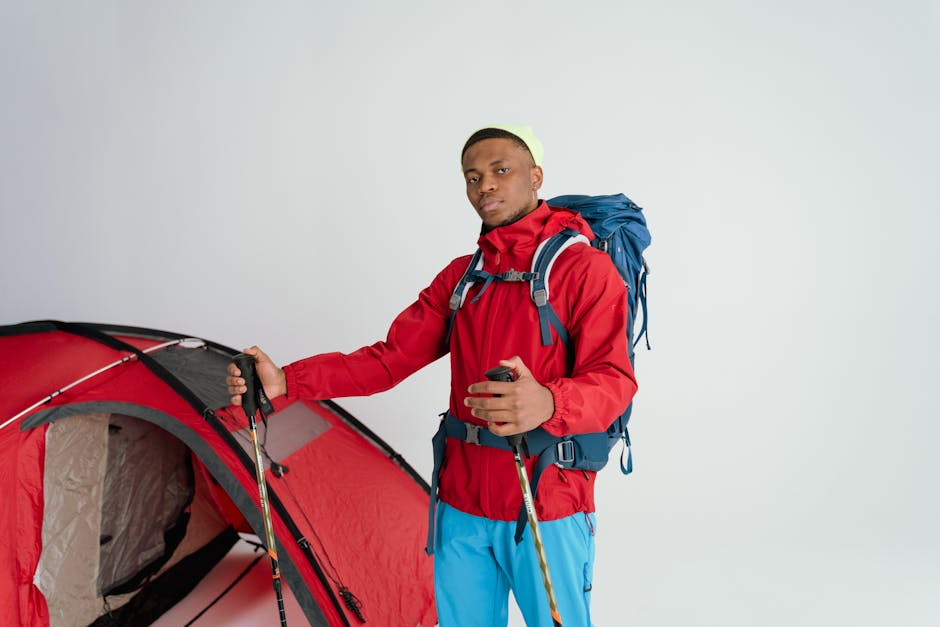
Spend enough time reading gear reviews and you’ll notice something: every product is “exceptional.” Every tent “handles extreme conditions.” Every sleeping bag “keeps you warm all night.” None of that tells you whether the gear holds up at 11,000 feet in a surprise rainstorm or survives three hard seasons before showing wear.
The outdoor industry has a credibility problem. Marketing budgets outpace engineering budgets, and most online reviews are written by people who tested gear on one weekend trip. This breakdown focuses on what actually separates high-quality camping gear from expensive camping gear — because they are not the same thing.
This is not financial advice. It is honest gear advice, structured to help you spend less and perform better outdoors.
The Premium Tax: A Category-by-Category Reality Check
The outdoor gear market runs on the same psychology as luxury watches — implied scarcity, technical jargon, and the suggestion that serious outdoorspeople only use serious (read: expensive) equipment. Some of that premium is justified. A lot of it isn’t.
What the premium genuinely buys you comes down to three things: weight reduction, material durability under real stress, and repairability and warranty support. Brand reputation, colorways, and sponsored athlete association are not functional benefits, though they are priced as if they were.
| Gear Category | Budget Tier | Mid-Range | Premium | Is Premium Worth It? |
|---|---|---|---|---|
| 3-season tent (2-person) | $80–$160 | $250–$400 | $450–$700+ | Yes — weight and weather resistance |
| Sleeping bag (20°F rated) | $60–$130 | $130–$280 | $400–$700 | Yes, for regular cold-weather camping |
| Sleeping pad (R-value 4+) | $30–$60 | $100–$180 | $200–$280 | Yes — R-value directly affects safety |
| Backpack (65L) | $80–$160 | $200–$320 | $350–$600 | Mid-range is the sweet spot |
| Canister stove | $25–$50 | $55–$110 | $120–$200 | No — mid-range wins on value |
| Headlamp | $15–$30 | $40–$65 | $70–$120 | No — mid-range is more than adequate |
| Water filter | $20–$40 | $45–$80 | $100–$200 | No — mid-range outperforms on value |
Bottom Line: Pay the premium for shelter and sleep. Save on everything else. This one reallocation buys more real performance than any other single decision in gear purchasing.
Shelter and Sleep Systems: Where the Quality Gap Is Largest
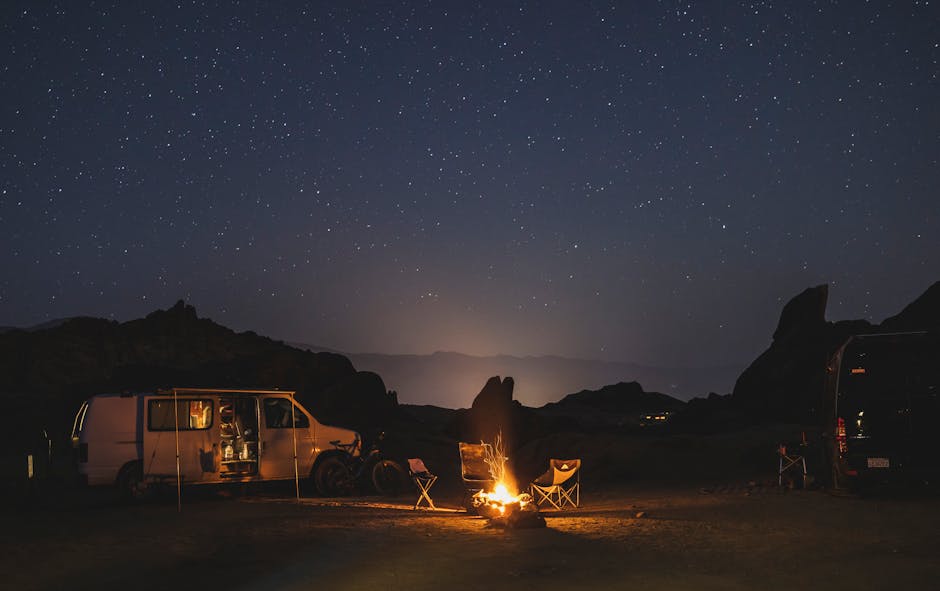
No gear category shapes trip quality more directly. A slow stove is an inconvenience. A leaking tent in sustained rain or a sleeping bag that can’t hold its rated temperature is a different category of problem — one that ends trips early and, in serious conditions, becomes a safety issue.
Tents: The Three Specs That Actually Predict Performance
Gear companies lead with door count and color options. The specs that matter are pole material, fly coverage, and floor denier rating.
DAC Featherlight NSL poles — used in tents from MSR and Big Agnes — are the current standard for performance-to-weight ratio. They flex under snow load instead of fracturing. Fiberglass poles don’t. Any tent with fiberglass poles should be avoided for anything beyond car camping in calm conditions. They snap at the worst moments and can’t be field-repaired on a ridgeline.
The MSR Hubba Hubba NX 2 ($430) is the benchmark 3-season backpacking tent. It weighs 2 lbs 13 oz, uses those DAC poles, and the fly extends low to the ground on the sides — which matters when rain comes in sideways, not straight down. MSR replaces broken poles for free. It’s been the default recommendation for years because it earns it consistently.
The Big Agnes Copper Spur HV UL2 ($550) cuts weight to 2 lbs 6 oz with a genuinely roomier interior. The HV stands for high-volume, and it shows when you sit up inside. The trade-off: its 15D floor fabric punctures more easily on rocky terrain. Add a ground cloth and you’re carrying an extra 4–6 oz, but the floor life improves substantially. For weight-focused backpackers, this tent justifies the step up from the Hubba Hubba.
For car camping or occasional trips, the REI Co-op Half Dome 2 Plus ($350) is the practical answer. Heavy at 5 lbs 6 oz — too heavy for most backpackers — but it’s more durable under rough handling, handles wind better than ultralight alternatives, and is backed by REI’s lifetime return policy. If ounces don’t matter, this tent costs less and lasts longer.
Sleeping Bags: Fill Power and EN Ratings Explained
Two numbers determine sleeping bag quality: fill power and the EN/ISO temperature rating. Fill power measures how much space one ounce of down occupies. 600-fill is baseline. 800-fill is good. 900-fill is excellent. Higher fill power means more warmth per ounce.
The EN comfort rating is the temperature at which an average person actually sleeps comfortably — not just survives. A bag labeled “20°F” without EN certification means the brand set that number themselves, with no standardized test behind it. Always check which standard the brand used.
The Feathered Friends Swallow YF 20 ($475) uses 900-fill Responsible Down Standard certified down, weighs 1 lb 9 oz, and delivers consistent warmth across multiple seasons. It’s built in Seattle and can be sent back for cleaning, re-lofting, and repairs — which shifts the cost calculation over a 10-year ownership window.
The Kelty Cosmic 20 ($130) uses 600-fill down and weighs 2 lbs 10 oz. For three-season camping below 7,000 feet, it performs at its rated temperature and outperforms synthetic bags in the same price range when it comes to maintaining loft after repeated trips. Honest budget pick.
The Western Mountaineering UltraLite ($625) is the gold standard — 850-fill, 1 lb 7 oz, and built to outlast most of the other gear in your kit. It’s expensive. It’s also the last sleeping bag many serious campers ever buy, which changes the math when you spread the cost over 15 years of use.
Sleeping Pads: The Most Underrated Purchase in the Category
The insulation under you matters more than the insulation around you. Cold ground conducts heat away from your body faster than cold air. R-value measures resistance to that heat loss. For three-season use, R-3 is the minimum. For shoulder-season or high-elevation camping, R-4 or higher.
The Therm-a-Rest NeoAir XLite NXT ($220) delivers R-4.5 at 12.5 oz. It’s noisy when you shift positions — the reflective film that creates its warmth also crinkles. That’s the price of the warmth-to-weight ratio. The Sea to Summit Ether Light XT ($170) hits R-3.2 at 14 oz, runs quieter, and is the right call for pure summer camping where the lower R-value is enough. Both are meaningful upgrades over foam pads when you’re sleeping on ground below 50°F.
Six Mistakes That Cost Campers More Than They Realize
- Buying a sleeping bag by the temperature label without checking EN certification. Brands without EN/ISO certification set their own numbers with no standardized testing. A bag labeled “20°F” without external certification means you can legally survive at that temperature — not sleep comfortably.
- Under-investing in the sleeping pad. The most common gear budget error is spending $350 on a sleeping bag and $30 on a foam pad. Cold ground defeats the sleeping bag. Balance the sleep system budget from the start.
- Buying a four-season tent for three-season use. Four-season tents are heavier, hotter in normal temperatures, and cost more. Most campers never need one. A quality three-season tent with full fly coverage handles every condition outside of sustained heavy snowfall.
- Ignoring backpack fit in favor of features or price. A $400 pack that doesn’t match your torso length carries worse than a $180 pack that fits correctly. Every major manufacturer — Osprey, Gregory, Granite Gear — makes frames in multiple torso sizes. Get measured at a specialty shop before buying online.
- Confusing “water-resistant” with “waterproof.” DWR coatings bead water off fabric. Taped seams and waterproof membranes actually block it. Budget tents typically use DWR only. If you camp in sustained rain, read the spec sheet before assuming the tent is truly waterproof.
- Buying the largest pack available “just in case.” A 75L pack invites 75L of gear. Most backpackers carry more than necessary when they have the space. A 45–55L pack forces smarter packing and handles most multi-day trips cleanly.
One habit worth building before any purchase: read the one-star reviews. Not to be scared off, but to understand the actual failure mode. A tent with 300 five-star reviews and 20 one-stars specifically about pole collapse in wind is telling you something the product page will not.
Also worth noting: buy gear that can be repaired, not just replaced. MSR repairs stoves. Therm-a-Rest patches pads. Feathered Friends re-lofts down bags. These programs extend gear life by years and quietly lower the real cost-per-use over time.
Stoves, Water Filters, and Headlamps: Stop Overspending Here
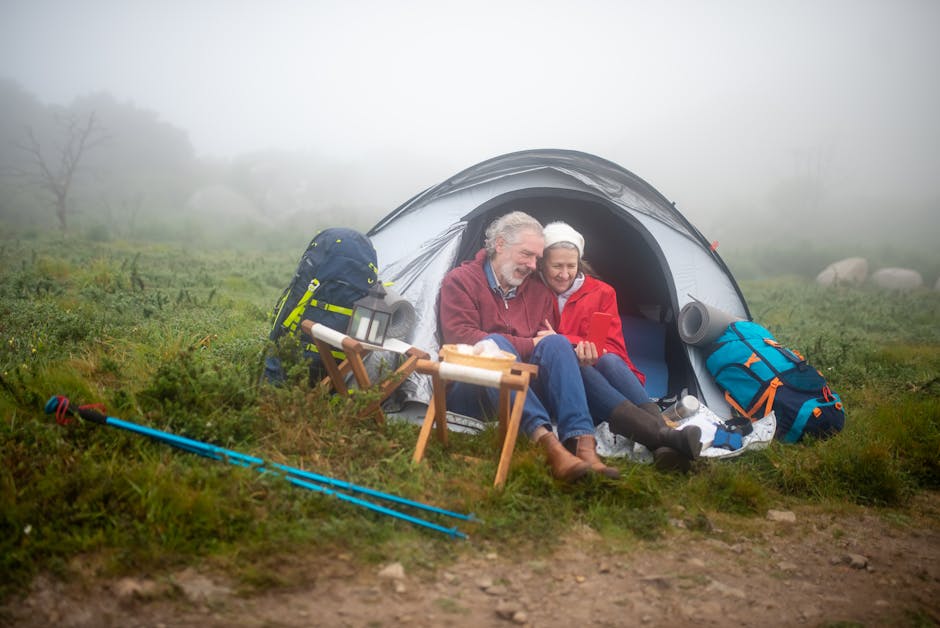
Honest verdict for all three categories: the performance gap between mid-range and premium is nearly zero, and most campers overpay here by a wide margin. The MSR PocketRocket Deluxe ($55) boils a liter in 3.5 minutes, weighs 3.1 oz, and works reliably down to 20°F with a windscreen attached. The Jetboil Flash ($110) boils faster in calm conditions and integrates cleanly with its cup system, but it’s heavier and locks you into one ecosystem. Both are the right answers depending on cooking style. Neither needs to cost $180.
For water, the Sawyer Squeeze ($35) filters to 0.1 microns, handles all bacteria and protozoa, and lasts indefinitely with proper backflushing. The Katadyn BeFree ($50) flows faster and handles murky sources better, but the filter element needs replacement around 1,000 liters. Pick based on the water source quality in your specific region — not based on which one has better packaging.
The Black Diamond Spot 400 ($40) puts out 400 lumens with a 70-meter beam throw and a 200-hour runtime on low mode. IPX8 waterproof rating. That is enough headlamp for any camping trip that doesn’t involve technical nighttime climbing. The Petzl Actik Core ($50) adds a rechargeable battery option, which is genuinely useful for car camping where outlets are accessible. Neither needs replacing with a $100 headlamp.
Backpacks: Where to Spend and Where to Draw the Line
The backpack decision shapes how enjoyable every trip feels — and mid-range packs from major manufacturers almost always represent the best point on the value curve. Ultralight packs at $500+ carry real advantages for experienced hikers with disciplined base weights. For most backpackers, those advantages don’t justify the cost.
The Osprey Atmos AG 65 ($320) uses an anti-gravity suspension that distributes load across the hip and shoulder simultaneously. That distinction becomes very real after mile 10 with a 35-pound pack. It comes in three torso sizes and two hip belt sizes. Osprey’s All Mighty Guarantee covers repairs and replacement regardless of cause. At $320, it’s the most consistently recommended pack in its category — not because of marketing, but because it delivers on fit across a wide range of body types.
For ultralight-focused hikers, the Hyperlite Mountain Gear 3400 Southwest ($350) is built from Dyneema composite fabric — nearly indestructible for its weight at 21 oz empty. It carries 3,400 cubic inches without a traditional frame, which works well for loads under 25 lbs and fast-and-light trips where you’re covering miles, not carrying a mobile kitchen. For heavier loads or week-long trips, the Osprey’s structured frame is the smarter choice.
Budget packs under $130 almost always share two failure modes: frame sheets that flex and lose rigidity under sustained load, and hip belts that look padded but don’t actually transfer weight from shoulders to hips. You feel both problems within the first few miles. If you’re uncertain about fit, rent a quality pack from a gear shop before committing — that single test trip will clarify what proper load transfer actually feels like.
Building a Complete Kit: Common Questions Answered Directly
What should I buy first?
Buy your sleep system before anything else. Tent, sleeping bag, and sleeping pad determine whether you’re safe and comfortable — everything else supports those basics. Budget at least 40% of your total gear spend here before thinking about stoves or packs.
Is there a logical order for buying gear over time?
Start with shelter and sleep. Add a correctly fitted pack. Then stove, water filter, headlamp — in that order. Navigation tools and cooking accessories come after. Clothing and layering systems are worth a separate deep dive because the wool-versus-synthetic tradeoffs are trip-specific and go beyond gear overview territory.
When does used gear make sense?
Used tents, packs, and stoves are generally safe purchases — you can inspect construction and test function before buying. Used sleeping bags and pads carry more risk. Down loses loft permanently if stored compressed for long periods, and sleeping pads develop slow leaks that are difficult to detect in a store. If buying secondhand, REI’s used gear program and GearTrade are more reliable than marketplace listings because condition grades are standardized and described honestly.
Which single upgrade makes the biggest difference for an existing kit?
Replace the sleeping pad first. Most campers with older kits are sleeping on inadequate R-values and losing heat to the ground all night. A move from a basic foam pad to a Therm-a-Rest NeoAir XLite NXT changes sleep quality more dramatically than almost any other single upgrade — and the gap is measurable in warmth, not just comfort.
