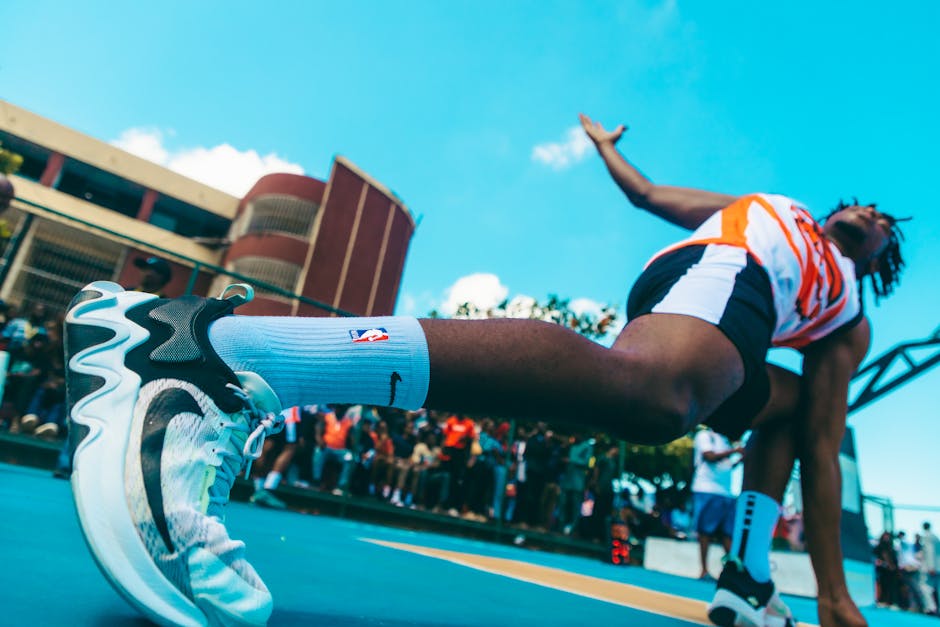
Picture this: three weeks into the season, your ankles feel beaten up, and the guy guarding you just blew past you twice because your shoes gave out on a cut. The shoes weren’t cheap. They just weren’t right for you.
That gap — between what a shoe costs and what it actually does for your specific game — is what most basketball shoe coverage skips entirely. Shoes get ranked in a vacuum: cushioning score here, traction rating there, no mention of a 5’9″ point guard running 35 minutes or a center trying to protect your knees through a long season.
This breakdown covers six of the most-played shoes in 2026, organized around how you actually move on the court.
The Cushioning Trade-Off No One Explains Clearly
Every major brand now runs competing cushioning philosophies, and picking the wrong one is the most expensive mistake recreational players make — more costly than buying the wrong size.
Nike’s React foam, used in the Nike Air Zoom G.T. Cut 3 ($150), prioritizes energy return and court feel. You land, the foam compresses, and roughly 60–70% of that force comes back to propel your next move. The downside is real: less impact absorption over a long game. Guards playing 28+ minutes often report knee fatigue by the fourth quarter in React-based shoes.
Adidas Boost, found in the Adidas Harden Vol. 8 ($160), goes the opposite direction — high absorption, less bounce-back. Your joints take less punishment across 40 minutes of play, but some players describe feeling disconnected from the floor, especially on lateral cuts. That sensation is not psychological. Boost’s softer cell structure genuinely reduces the tactile feedback you get through the midsole.
Nike’s ZoomX, used in the Nike LeBron 21 ($200), splits the difference with a dual-density setup: a soft outer layer for impact, a firmer inner layer for stability. The LeBron 21 weighs about 15.8 oz per shoe — noticeably heavier than the G.T. Cut 3 at 12.4 oz. That weight difference matters over the length of a game for players who depend on lateral quickness.
New Balance’s FuelCell foam, in the New Balance TWO WXY v4 ($130), runs about 60–65% energy return — close to React but tuned softer underfoot. It’s become the go-to for players who want responsiveness without the joint punishment that comes with a firmer React setup.
Foam Lifespan: When Your Cushioning Is Actually Dead
Most basketball shoe foam loses meaningful performance after 60–80 hours of hard court play. That’s roughly one full season for a player getting 20+ minutes per game. The shoe won’t look worn out. The foam just compresses more slowly and returns less energy. Two seasons in the same pair and you’re playing on dead cushioning.
Outdoor vs. Indoor Courts: Foam Reacts Differently
Boost foam breaks down significantly faster on outdoor concrete compared to hardwood. React and FuelCell hold up better over time because their denser cell structure resists abrasion. The Harden Vol. 8 on an outdoor court will feel noticeably softer — in a bad way — after about 30–40 hours of play. If you primarily play outdoors, Boost is the wrong foam for your budget.
2026 Basketball Shoe Specs Compared
Here’s how six of the most-played shoes stack up on the specs that actually affect on-court performance:
| Shoe | Price | Cushioning | Weight (per shoe) | Traction Pattern | Best For |
|---|---|---|---|---|---|
| Nike Air Zoom G.T. Cut 3 | $150 | React + Zoom Air | 12.4 oz | Herringbone (deep cut) | Guards, quick cuts |
| Adidas Harden Vol. 8 | $160 | Boost | 14.1 oz | Translucent herringbone | Playmakers, indoor courts |
| New Balance TWO WXY v4 | $130 | FuelCell | 13.2 oz | Multidirectional hex | All-around, value pick |
| Nike LeBron 21 | $200 | ZoomX + React | 15.8 oz | Wide herringbone | Forwards, bigs |
| Under Armour Curry 11 | $160 | UA Flow | 11.9 oz | Aggressive herringbone | Shooters, perimeter players |
| Jordan Luka 3 | $120 | Zoom Air | 13.5 oz | Pivot-point herringbone | Handles-heavy guards |
The Under Armour Curry 11 is the lightest shoe on this list at 11.9 oz — and unlike most light shoes, it doesn’t sacrifice traction. UA’s Flow foam outsole skips the rubber layer entirely and grips hardwood exceptionally well. The trade-off: it degrades fast on outdoor surfaces and rough concrete will destroy the outsole in two to three months of regular play.
For value, the TWO WXY v4 at $130 outperforms shoes $30–$40 more expensive on most performance metrics. The Jordan Luka 3 at $120 is the only sub-$130 shoe worth recommending for competitive recreational play.
Why Traction Patterns Matter More Than Outsole Color
Traction is the feature most buyers look at last and feel first.
Herringbone dominates basketball outsoles because it grips in multiple directions simultaneously — cuts, pivots, defensive slides. But there are bad herringbones and good ones, and the difference comes down to groove depth and channel spacing. Shallow herringbone, common on budget shoes under $80, fills with dust after 10–15 minutes on an indoor court and loses grip. Deep-cut herringbone, like on the G.T. Cut 3, stays sticky longer because the channels are wide enough to self-clean as you move.
The LeBron 21’s wide herringbone pattern suits forward and big footprints better than the tighter patterns designed for guard-sized shoes. Running a guard herringbone under a size 14 creates uneven grip distribution that shows up as slipping on sharp turns.
Translucent outsoles, used by Adidas on the Harden Vol. 8, generally indicate a softer rubber compound that grips better on clean hardwood but wears faster on rough surfaces. Great for gym-only players. A poor long-term investment for outdoor use.
Verdict: For indoor courts, the G.T. Cut 3 and Curry 11 offer the best traction. For outdoor use, the TWO WXY v4 outlasts the field.
Guard Shoes vs. Big Man Shoes: The Actual Differences
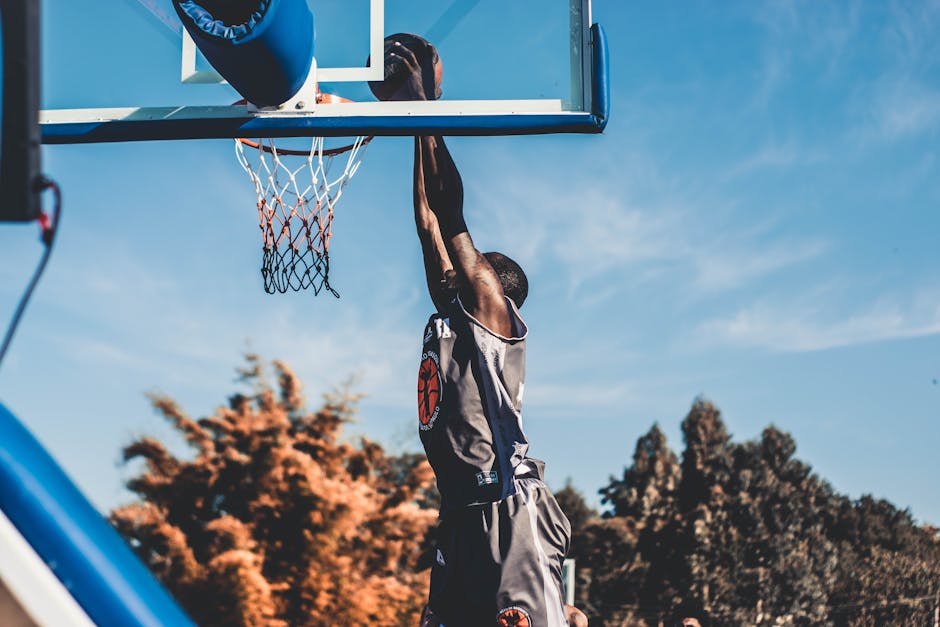
Position shapes shoe selection more than most brands admit, because maximum cushioning that protects a center’s knees will slow a guard’s first step. Here’s what actually changes:
- Guards need low-to-mid cut shoes, lighter weight (under 13 oz where possible), and responsive cushioning rather than maximum absorption. The G.T. Cut 3 and Curry 11 fit this profile. At 11.9 oz, the Curry 11 is the lightest top-tier guard shoe currently available.
- Forwards take more lateral load and physical contact. They benefit from a wider base platform and moderate ankle coverage. The Jordan Luka 3’s extended heel counter handles backing-down post moves without the bulk of a full high-top — a smart middle-ground design for wing players.
- Centers and power forwards absorb the most impact per possession. The LeBron 21’s ZoomX/React dual-cushion setup makes structural sense for this role. The 15.8 oz weight penalty matters less for bigs who rarely need to execute 45-degree cuts at full sprint. The extra cushioning is doing real work every time they land from a rebound.
Generic tip worth repeating: don’t buy a shoe because your favorite player wears it if you play a different position. LeBron James is a power forward. If you’re a 5’9″ point guard who plays like a sports car, don’t put truck tires on your feet.
Also — medium-height collars often outperform both extremes. Low-cut shoes maximize mobility but offer no containment for wide feet. High-tops restrict ankle flexion in ways that slow acceleration. Mid-cuts split the difference, and the TWO WXY v4 gets this balance right for most players who aren’t at either extreme of the position spectrum.
The Ankle Support Myth
High-top shoes do not prevent ankle sprains. That’s the conclusion of most sports medicine research from the last two decades, and it’s the thing shoe marketing has never properly acknowledged. What prevents ankle sprains is ankle strength, proprioception training, and surface quality. Choose your collar height based on comfort and movement preference — not injury fear.
Fit and Sizing: The Questions That Keep Coming Up
Should I size up or buy true-to-size?
Most basketball shoes run true-to-size to a half-size long. The exception is Nike’s GT Cut series, which runs narrow — players with wider feet consistently report needing a half-size up to avoid toe box pressure during play. The Harden Vol. 8 runs slightly wide, making it a better true-to-size fit for wider feet. When in doubt, go up half a size in any shoe. Your foot swells during play, and too-tight shoes cause under-nail bruising that takes weeks to clear up.
How much does tongue and collar fit matter?
More than most buyers realize. A tongue that shifts laterally during play creates hot spots on the ankle and inside the collar. Look for gusseted tongues — attached on both sides to the shoe body rather than floating. The Curry 11 and TWO WXY v4 both use this design, and it keeps the tongue centered through aggressive lateral movement. The Harden Vol. 8’s tongue, by contrast, has a history of migrating on quick direction changes, which is a documented fit complaint across multiple player reviews.
Do I need an aftermarket insole?
For recreational players logging under 6 hours per week, no. For players logging 10+ hours, a specialized insole like the Superfeet Carbon (around $50) can meaningfully extend both the life and performance of any shoe in this range. The stock insoles in $120–$160 shoes are adequate — they’re not optimized for your specific arch and load pattern, but they won’t actively hurt you.
When the Premium Price Isn’t Worth It
The Jordan Luka 3 at $120 outperforms most $180+ shoes for the majority of recreational players. That’s a specific claim, not a hedge.
Most recreational players — pickup games, rec leagues, two to four sessions per week — will never stress the engineering differences between a $120 shoe and a $200 shoe enough to feel them. The Luka 3’s Zoom Air unit gives legitimate court feel and response. The traction handles indoor courts reliably. The fit is roomy enough for wider feet without feeling sloppy.
Where the premium actually pays off:
- Playing five or more days per week at competitive levels. The foam longevity and structural integrity in the LeBron 21 and G.T. Cut 3 holds up across a full season in a way a $120 shoe won’t.
- Active knee or joint issues. The Harden Vol. 8’s Boost cushioning is worth the extra $40 over the Luka 3 for the measurable impact difference per landing.
- Court-specific traction problems. The Curry 11’s UA Flow outsole is purpose-built for clean indoor hardwood and unlike anything else available — but it earns that distinction only in that specific context.
Avoid spending over $150 on shoes used exclusively outdoors. Premium rubber compounds and foam systems degrade too fast on concrete to justify the investment. For outdoor-only play, the TWO WXY v4 at $130 is the ceiling that makes financial sense.
One more failure mode worth naming: buying signature shoes based on looks. The Nike Kobe 6 Protro ($180) sells out instantly and looks great — but it’s a narrow, low-cut shoe engineered around one specific athletic profile. Wide feet or players needing moderate ankle coverage will fight that shoe every game and lose.
The best basketball shoe is the one built for the foot you have and the game you actually play — not the player you want to be.
