
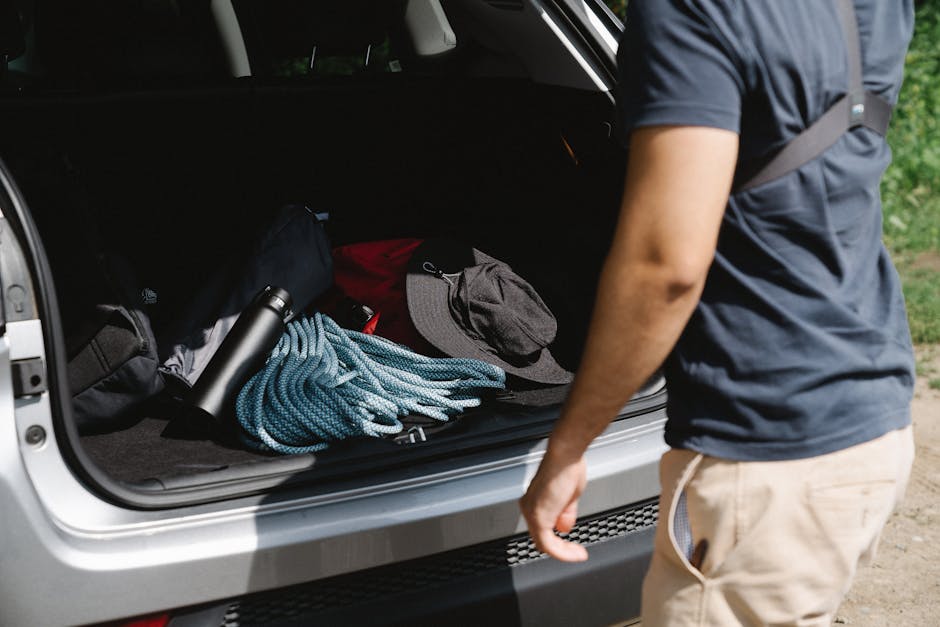
You want to buy outdoor gear in the USA. Maybe you need a tent for a weekend in Yosemite. Maybe you need a puffy jacket for winter hiking in Colorado. But you’ve got 47 browser tabs open — REI, Backcountry, Moosejaw, Amazon, some random sale site you’ve never heard of — and you’re not sure which one to trust.
I spent two weeks researching where Americans actually get their outdoor gear. I looked at pricing, return policies, customer service horror stories, and what real hikers and climbers recommend. Here’s what I found.
Where to Actually Buy Outdoor Gear in the USA
The outdoor gear retail landscape in the US breaks down into four categories: big-box specialty stores, online pure-plays, direct-to-consumer brands, and the Amazon trap. Each serves a different purpose.
REI is the 800-pound gorilla. 181 stores nationwide, a famously generous return policy (one year, no questions asked for members), and a co-op structure that gives you 10% back annually on eligible purchases. If you’re new to the outdoors, REI is your safest bet. You can touch the gear, try on boots, and ask staff who actually use the stuff. The downside? You’ll pay full retail 95% of the time. REI runs two big sales per year (March and October) plus the Anniversary Sale in May. Shop those windows or pay the premium for peace of mind.
Backcountry and Moosejaw are the online specialists. Backcountry has a massive selection of technical gear — Arc’teryx, Patagonia, Black Diamond, MSR — and runs frequent sales. Their customer service is solid, though not as generous as REI’s. Moosejaw is owned by Walmart now, which sounds scary, but they still have good prices and a quirky rewards program (Moosejaw Madness points). Both are reliable for hard-to-find items.
Direct-to-consumer brands like Outdoor Vitals, Mountain Hardwear (they sell direct now), and REI’s own Co-op line offer better value. You cut out the middleman. The Co-op brand sleeping bags and tents are genuinely good for the price — the REI Co-op Trailbreak 30 sleeping bag ($99) performs like bags that cost $160 from name brands.
Amazon is where gear goes to die. You can find name-brand stuff at good prices, but you’ll also find counterfeit MSR stoves, fake Patagonia fleeces, and tents that disintegrate in light rain. Only buy from Amazon if it’s shipped and sold by the brand itself, or if it’s a cheap item you’re willing to lose.
The Price vs. Performance Gap: Where You Actually Save Money
Most outdoor gear follows a law of diminishing returns. The jump from a $50 tent to a $200 tent is massive. The jump from a $400 tent to an $800 tent is marginal. Here’s where the real value lives.
| Category | Budget Pick (Good) | Sweet Spot (Best Value) | Premium (Marginal Gain) |
|---|---|---|---|
| Backpack (50-70L) | Teton Sports Scout 3400 ($80) | Osprey Atmos AG 65 ($280) | Arc’teryx Bora AR 63 ($550) |
| Sleeping Bag (20°F) | REI Co-op Trailbreak 20 ($129) | Marmot Trestle Elite 20 ($200) | Western Mountaineering Versalite ($650) |
| Tent (2-person, 3-season) | Naturehike Cloud Up 2 ($130) | MSR Hubba Hubba 2 ($500) | Big Agnes Copper Spur HV UL2 ($550) |
| Rain Jacket | Frogg Toggs Ultra-Lite ($20) | Patagonia Torrentshell 3L ($179) | Arc’teryx Beta AR ($600) |
The sweet spot — the $200-300 backpack, the $180 rain jacket, the $500 tent — gives you 85% of the performance of the premium stuff for half the price. The budget picks work for occasional use but won’t survive a week of hard use. The premium stuff is lighter by ounces, not pounds, and costs twice as much.
Where you cannot cheap out: footwear. A $60 pair of hiking boots will destroy your feet on a 10-mile day. Spend $150-200 on boots from Merrell, Keen, or Salomon. Your knees and arches will thank you.
Return Policies: The Hidden Cost of Cheap Gear
This is the part nobody talks about. You buy a tent from a random website. It arrives with a broken pole. The website says “30-day return” but you have to pay shipping. Shipping a tent back costs $25. You just lost a third of your “savings.”
Here’s how the major retailers stack up on returns:
REI — One year for members ($30 lifetime membership). You can return a tent after using it for six months if it leaks. No questions asked. This is the gold standard.
Backcountry — 60 days, free return shipping on most items. Good, but you’re on the hook if you damage something.
Amazon — 30 days. If the item is sold by a third party, good luck. Counterfeit claims are a nightmare.
Moosejaw — 60 days, free returns. They also price-match REI and Backcountry, which is useful.
Sierra Trading Post — 40 days. No free return shipping. Only buy clearance items you’re certain about.
If you’re buying your first tent, sleeping bag, or backpack: spend the extra $20 at REI. The return policy is worth more than the discount at a random site.
The Counterfeit Problem: How to Spot Fake Outdoor Gear
Counterfeit outdoor gear is a real problem in the US market. Fake Patagonia jackets, fake MSR stoves, fake Black Diamond headlamps — they’re all over Amazon and eBay. A counterfeit stove might explode. A counterfeit headlamp might die at 2 AM in the backcountry. This isn’t a fashion risk; it’s a safety risk.
How to spot fakes:
- Price too good to be true. A Patagonia Nano Puff jacket that normally costs $279 for $89? It’s fake.
- Stitching is uneven. Logos look slightly off. Zippers feel cheap.
- Seller has no history or is located outside the US (China, Hong Kong, Vietnam).
- Product page uses stock photos from the brand’s website, not real photos.
- No serial number, or the serial number doesn’t check out on the brand’s website.
Safe sources for authentic gear: REI, Backcountry, Moosejaw, the brand’s own website, and authorized dealers listed on the brand’s website. If you buy from Amazon, only buy from the brand’s official Amazon storefront — not “XYZ Outlet” or “Best Deals USA.”
I bought a fake Black Diamond headlamp on Amazon once. It lasted three nights before the switch broke. The real one is $35 and lasts years. The fake saved me $12. Not worth it.
When to Buy New vs. Used: The Gear Resale Market
The used outdoor gear market in the USA is surprisingly good. People buy expensive gear, use it once, and sell it. You can get 50-70% off retail for gear that’s in excellent condition.
REI Used Gear — REI sells returned gear through their Used Gear program. It’s cleaned, inspected, and graded (Excellent, Good, Fair). You get the same return policy. This is the safest way to buy used gear. I’ve seen Arc’teryx shells for $200 and Osprey packs for $120.
Geartrade — A dedicated outdoor gear resale site. Sellers list their own gear, so quality varies. But you can find rare items and good deals. Check seller ratings and photos carefully.
r/geartrade and r/ULgeartrade on Reddit — Active communities where people sell gear directly. Prices are competitive, and the community self-polices. Use PayPal Goods and Services for buyer protection.
Garage sales — REI holds garage sales a few times a year (check your local store). Gear is sold as-is, but prices are ridiculous. I got a $400 tent for $80 because it was missing one pole section. I replaced the pole for $15.
What to buy used: Backpacks, tents (check for broken poles), sleeping bags (washable synthetic only — avoid used down unless you trust the seller), trekking poles, cookware, clothing.
What to buy new: Sleeping pads (air leaks are common in used ones), water filters (bacteria risk), footwear (worn-in shoes mold to someone else’s feet), helmets, climbing ropes, and anything safety-critical.
What You Actually Need vs. What the Industry Sells You
The outdoor industry is great at convincing you that you need $3,000 worth of gear for a weekend car camping trip. You don’t. Here’s what a smart shopper buys for their first three-season camping setup, total cost under $500:
- Tent: Naturehike Cloud Up 2 ($130 on Amazon — it’s a solid MSR Hubba Hubba clone)
- Sleeping bag: REI Co-op Trailbreak 30 ($99)
- Sleeping pad: Klymit Static V ($50)
- Backpack: Teton Sports Scout 3400 ($80)
- Stove: MSR PocketRocket 2 ($45)
- Cook pot: Imusa 1.25L aluminum pot ($12 on Amazon)
- Headlamp: Black Diamond Spot 400 ($35)
- Water filter: Sawyer Squeeze ($40)
Total: $491. That’s less than one Arc’teryx jacket. Will this gear make you a thru-hiker? No. Will it keep you warm, dry, and fed for a weekend in the woods? Yes. Absolutely.
The gear you’re overpaying for: $400+ down jackets (a $150 Decathlon down jacket is 90% as warm), $200+ trekking poles (Cascade Mountain Tech poles at $40 work fine), $300+ sleeping pads (the $50 Klymit Static V has an R-value of 1.9, which is fine for summer), and $100+ camp chairs (the $20 Coleman chair sits just as low to the ground).
Spend money on the things that touch the ground: boots, tent, sleeping pad. Everything else can be budget-friendly.
Seasonal Sales Calendar: When to Buy What
Outdoor gear in the USA follows a predictable sales cycle. If you can wait, you can save 20-40%.
January-February: Winter clearance. Snow gear, winter boots, down jackets, and four-season tents go on deep discount. This is the best time to buy a winter sleeping bag.
March: REI’s Anniversary Sale previews start. Some deals on spring gear. Backcountry has their Spring Clearance.
May: REI Anniversary Sale (members only for the first week). This is the biggest sale of the year. Most major brands are 20-30% off. Shop early — popular items sell out.
July: Amazon Prime Day. Good for budget gear and accessories. Not great for premium technical gear — the real deals are on Amazon brands, not Arc’teryx.
September-October: REI Labor Day sale and Fall Clearance. Summer gear (tents, sleeping bags, hiking boots) goes on sale. This is the best time to buy a tent for next year.
November: Black Friday and Cyber Monday. Outdoor gear deals are everywhere. Backcountry and Moosejaw run 20-30% off sitewide. REI does not participate in Black Friday (they close their stores and pay employees to spend time outdoors instead).
If you need gear for a specific trip, buy it at least two months early so you can take advantage of the return policy if something doesn’t fit or breaks.
One Last Thing: The Only Rule That Matters
Buy the gear that gets you outside, not the gear that looks good in a parking lot. A $99 tent that you use for 20 nights is worth more than a $500 tent that sits in your closet. Shop smart, buy used where you can, and don’t let the industry convince you that you need expedition-grade gear for a weekend at a state park. Your feet and your back are worth spending on. Everything else is negotiable.
