

The evolution of the yoga mat is a curious study in material science. What began decades ago as a simple piece of carpet padding used by Angela Farmer has transformed into a multi-million dollar industry focused on polymer density, friction coefficients, and sustainable sourcing. Selecting a mat today is no longer about choosing a color; it is an analytical decision involving your specific biomechanics, the humidity of your practice environment, and your tolerance for maintenance. For a dedicated practitioner, the mat is the only piece of equipment that mediates the relationship between the body and the floor. If that interface fails—whether through lack of cushioning or a loss of traction—the integrity of the entire practice is compromised. This analysis examines the leading options on the market, stripping away the marketing jargon to look at how these surfaces actually perform under pressure.
How do you choose the right yoga mat material and thickness?
When evaluating a yoga mat, the primary technical specifications to consider are material composition, thickness, and cell structure. These three factors dictate the mat’s weight, durability, and, most importantly, its grip. Most mats on the market fall into one of three material categories: Polyvinyl Chloride (PVC), Natural Rubber, or Thermoplastic Elastomer (TPE). Each carries distinct trade-offs regarding environmental impact and performance longevity.
Understanding Material Density and Cell Structure
PVC remains the industry standard for durability. High-density PVC mats, such as those found at major retailers like John Lewis or through specialized fitness outlets, are virtually indestructible. They feature a closed-cell structure, meaning they do not absorb sweat. This makes them more hygienic and easier to clean, but they often require a “break-in” period to remove a factory film that can feel slippery during initial use. Conversely, natural rubber mats offer superior natural traction from day one. They are typically open-cell, meaning they have microscopic pores that absorb moisture. While this provides excellent grip for those with sweaty hands, it also means the mat will eventually accumulate bacteria and degrade faster than its synthetic counterparts.
The Cushioning vs. Stability Trade-off
Thickness is measured in millimeters, usually ranging from 1.5mm (travel mats) to 6mm (extra-thick). A 4mm to 5mm mat is generally considered the “Goldilocks” zone for most practitioners. It provides enough density to protect the knees and ankles during floor-based poses without sacrificing the stability required for standing balances. If a mat is too soft or “squishy,” the small stabilizing muscles in your feet will overwork to compensate for the uneven surface, leading to fatigue and potentially compromised form. For those purchasing through retail partners like Marks & Spencer or general sports stores, looking for a “high-density” label is often more important than the thickness measurement itself, as a dense 4mm mat will offer more support than a porous 6mm one.
Heavier mats are generally more stable and less likely to bunch up during transitions like jump-throughs, but they are significantly less portable. If you commute to a studio, weight becomes a primary constraint.
Which yoga mats provide the best grip for hot yoga and sweat?

Grip is arguably the most subjective aspect of a yoga mat. What one person describes as “sticky,” another may find restrictive. The science of grip on a yoga mat is divided into “dry grip” and “wet grip.” Dry grip refers to the traction you feel when your hands are cool and dry, whereas wet grip refers to how the surface behaves once sweat is introduced. This is where the distinction between polyurethane (PU) coatings and natural rubber becomes critical for performance.
The Rise of Polyurethane (PU) Surfaces
In recent years, the industry has seen a surge in mats featuring a smooth PU top layer. This material is designed to offer an almost magnetic-like grip regardless of moisture levels. Brands like Liforme and Lululemon have pioneered this technology. The PU layer quickly wicks moisture away from the surface and into the core of the mat, ensuring that even in a high-intensity Vinyasa or hot yoga session, you won’t slide. However, the trade-off is that these mats are prone to staining from body oils and require more delicate cleaning than PVC mats. They are high-performance tools that, like a pair of high-end running shoes, have a finite lifespan.
Natural Rubber and Traction
Natural rubber is the original high-performance material. It has a natural tackiness that synthetic materials struggle to replicate. However, rubber is sensitive to ultraviolet light. If you practice outdoors or leave your mat in a hot car, the rubber will begin to oxidize and crumble—a process known as “shedding.” For practitioners who prioritize a natural feel and are willing to replace their mat every few years, rubber remains the gold standard. It is worth noting that some individuals have latex sensitivities; while many natural rubber mats are processed to remove allergens, those with severe allergies should opt for synthetic alternatives like TPE or high-grade PVC.
Detailed comparison of the best yoga mats for 2024: Manduka vs Liforme vs Jade
To provide a clear picture of the market, we have analyzed the top five performers based on durability, grip, and value. These products are available through various retail channels, including major department stores and specialized online fitness retailers frequently found on the Awin network.
| Model | Material | Thickness | Approx. Price | Best For |
|---|---|---|---|---|
| Manduka PRO | High-Density PVC | 6mm | £110 – £130 | Longevity / Joint Support |
| Liforme Original | Natural Rubber + PU | 4.2mm | £100 – £120 | Alignment / Maximum Grip |
| Jade Harmony | Natural Rubber | 4.8mm | £80 – £95 | Eco-Conscious / Natural Feel |
| Lululemon Take Form | Natural Rubber + PU | 5mm | £108 – £115 | Sensory Feedback |
| Gaiam Performance Dry-Grip | PVC (Latex-Free) | 5mm | £40 – £55 | Budget / Hot Yoga |
1. Manduka PRO: The Lifetime Investment
The Manduka PRO is often referred to as the “soul” of yoga mats. It is a heavy, dense piece of equipment that comes with a lifetime guarantee. Because it is made of closed-cell PVC, it will never absorb sweat or smells. However, the initial experience can be frustrating. New Manduka PRO mats have a thin film that must be worn down through use or a “salt scrub” treatment. Once broken in, the grip is reliable but not “sticky.” It allows for smooth transitions without the “stuck” feeling some high-grip mats produce. If you want a mat that you will still be using a decade from now, this is the one.
- Pros: Incredible durability, easy to sanitize, excellent cushioning for sensitive joints.
- Cons: Extremely heavy (approx. 3.4kg), requires a long break-in period, high initial cost.
2. Liforme Original: The Alignment Specialist
Liforme changed the market by etching alignment markers directly into the mat surface. For many, these lines are not just aesthetic; they provide a consistent reference point for hand and foot placement, which is invaluable for home practitioners without a teacher’s adjustments. The grip is perhaps the best in the industry, staying tacky even in a literal puddle of sweat. The downside is that the mat is biodegradable and the PU surface is delicate. Expect to replace this mat every 18 to 36 months if you practice daily.
- Pros: Unrivaled grip, helpful alignment system, wider and longer than standard mats.
- Cons: Expensive, shows oil stains easily, shorter lifespan than PVC.
3. Jade Harmony: The Sustainable Choice
Jade Yoga was one of the first companies to move away from synthetic plastics. The Harmony mat is made from natural rubber tapped from rubber trees, a renewable resource. It offers a “velvety” grip that feels very different from the smooth PU mats. It is exceptionally grippy because the open-cell structure acts like tiny suction cups. However, this same structure makes it difficult to deep clean. It is a “purist’s” mat, favoring environmental ethics and natural tactile feedback over synthetic perfection.
- Pros: Excellent eco-credentials, superior natural traction, great color variety.
- Cons: Strong rubber smell initially, degrades if exposed to sunlight, harder to clean.
4. Lululemon Take Form: Innovative Texture
Lululemon’s Take Form mat features a unique 3D zoned cushioning. The surface has concentric circles and ripples that are slightly raised, allowing you to feel your position on the mat without looking down. This is particularly useful for balance poses where your gaze (Drishti) needs to be fixed. The material is a PU/Rubber blend similar to Liforme, offering high-end grip. It is a premium product available through Lululemon’s own site or high-end retail partners.
- Pros: Innovative tactile markers, high-quality material, aesthetically striking.
- Cons: The texture can be polarizing for some, very high price point.
How to clean and break in a professional yoga mat properly
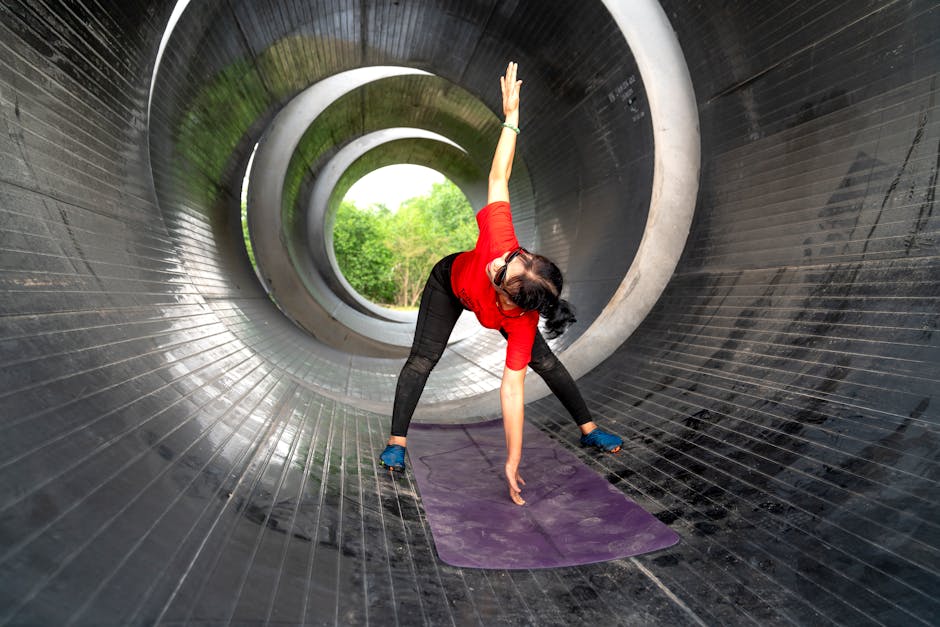
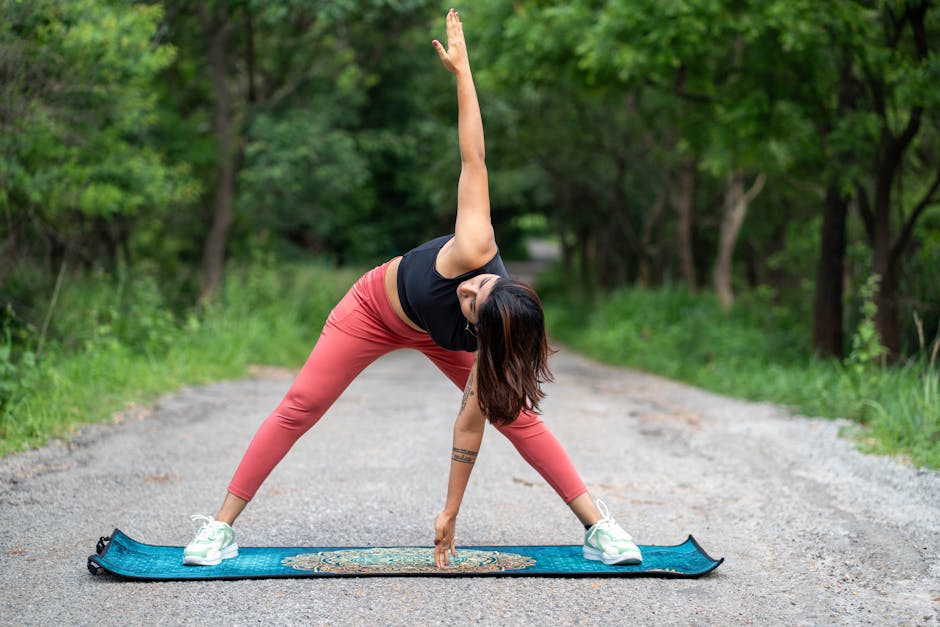
Maintenance is the most overlooked aspect of owning a high-end yoga mat. A common mistake is using the wrong cleaning agent for the material, which can permanently ruin the grip. For instance, using an oil-based cleaner on a Liforme or Lululemon PU mat will clog the pores and make the surface permanently slick. Conversely, failing to clean an open-cell rubber mat like a Jade Harmony will lead to the accumulation of skin cells and bacteria within the mat’s core.
The Manduka Salt Scrub Method
If you opt for a Manduka PRO, the break-in process is essential. Many users complain about the mat being slippery out of the box, but this is easily solved. Cover the surface of the mat with a thin layer of sea salt and leave it in the sun (or a warm room) for 24 hours. Then, scrub the salt away with a damp cloth. This process mimics the friction of months of practice, accelerating the maturation of the PVC surface. It is a one-time ritual that transforms the mat from a slick plastic sheet into a professional-grade surface.
Cleaning by Material Type
For PU mats (Liforme, Lululemon), the best cleaning solution is a drop of dish soap in a large bowl of water. Use a non-abrasive sponge, wipe the mat down, and—crucially—allow it to air dry completely before rolling it up. Never use essential oils on these mats. For natural rubber mats, a 50/50 mix of water and apple cider vinegar is effective for killing bacteria while maintaining the rubber’s integrity. For closed-cell PVC mats, you can be much more aggressive; many practitioners even use a diluted bleach solution or specialized disinfecting wipes, which is why these mats are preferred in commercial studio environments where hygiene is a high-volume concern.
Investing in a high-quality yoga mat is ultimately an investment in your physical safety and the consistency of your practice. While the initial cost of a Manduka or Liforme may seem high compared to generic options found at discount retailers, the difference in performance is measurable. A mat that doesn’t slip allows you to focus on your breath and alignment rather than your survival on the floor. Whether you prioritize the indestructible nature of PVC or the high-performance grip of polyurethane, choosing the right tool for your specific practice style is the first step toward a more focused and effective yoga journey.
