
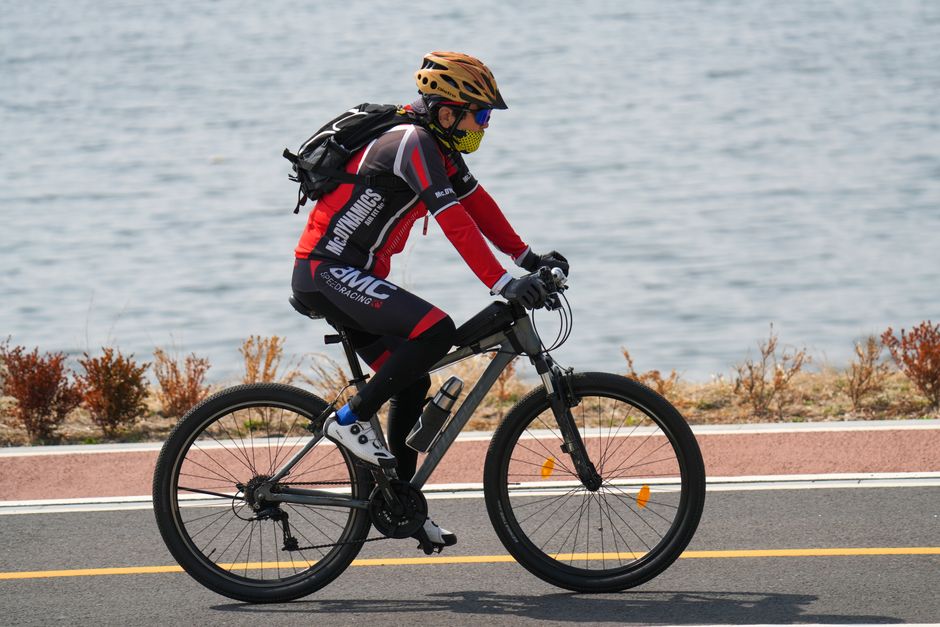
At 6:10 a.m. on a February commute, the rain is light, the road is dark, and every puddle sends cold water through the vents in your cycling shoes. Forty minutes later, your feet are numb even though the rest of your clothing is dry. That is the exact problem waterproof overshoes solve.
They are not magic waterproof boots. Most protect the upper shoe from rain, spray, and wind while leaving some exposure around the cleat and sole. The right pair can make a wet, cold ride manageable. The wrong pair can tear during installation, trap sweat, or fail at the first deep puddle. This guide sets a clear buying line: overshoes are worth wearing when water and wind are the reason your feet stop working comfortably, not simply because the calendar says February.
How should you judge waterproof protection before buying?
Ignore vague claims such as “weather resistant” until you find out which part of the shoe the product actually covers. A buyer needs to separate rain protection, insulation, durability, and ease of use. Those are four different contracts between the product and the rider.
Use this four-part coverage check
- Upper coverage: Look for sealed seams, a close ankle cuff, and material that covers the shoe tongue. These features block the rain that falls from above.
- Underfoot coverage: Check the cleat opening and heel-pad opening. A small, reinforced opening usually leaks less than a large universal cutout.
- Thermal coverage: Two or three millimeters of neoprene adds warmth. Thin silicone or latex blocks rain but does little for insulation.
- Movement coverage: The cover must stretch around your shoe without pulling against the zipper, snaps, or sole opening. A tight seal that tears after two rides has poor real-world value.
Read the exclusions before trusting the label
“Waterproof” rarely means safe for standing water, walking through puddles, or pressure from a hose. Many covers also exclude mountain-bike shoes with wide lugs, because the sole opening cannot wrap around the tread. Walk-in durability is another common exclusion. Covers designed for road cycling can wear through quickly on rough pavement or stairs.
The verdict: buy for the exact shoe and weather you ride in. A close cuff and a reinforced sole opening matter more than a dramatic waterproof claim on the package.
Which February riding mistakes make overshoes fail?
Most failures begin before the ride. Riders choose the wrong size, pull the cover over sharp cleats, or close the ankle seal after water has already reached the sock. A careful fitting routine prevents more leaks than a higher price.
Five mistakes to avoid
- Installing over the cleat: Put the cover on the shoe before clipping in. Stretching material across a sharp cleat can create a tear before the first ride.
- Buying by normal shoe size alone: Compare the maker’s size range with the actual shoe shape. Wide touring shoes may need a larger cover even when the length matches.
- Leaving the cuff below the tights: Water running down the leg can enter from above. Pull tights over the cuff when the design allows it.
- Using a road cover on aggressive MTB shoes: Knobby soles can damage the opening and prevent a close fit.
- Storing the cover wet: Rinse road salt away, then air-dry it fully. A damp, folded cover can develop odor, weak seams, and stuck fasteners.
There is also a useful insurance-style warning. AM Best ratings and J.D. Power scores measure insurers and customer service, not cycling gear. They cannot prove that an overshoe is waterproof. Insurance premiums vary by state and individual factors, and bike policies may exclude racing, unattended theft, or certain crash claims. For bike insurance, get multiple quotes and read those exclusions separately; none of that protects your feet from road spray.
The verdict is to treat installation and care as part of the purchase. A mid-priced cover fitted correctly will often outperform an expensive cover used on the wrong shoe.
Which waterproof overshoes offer the clearest value?
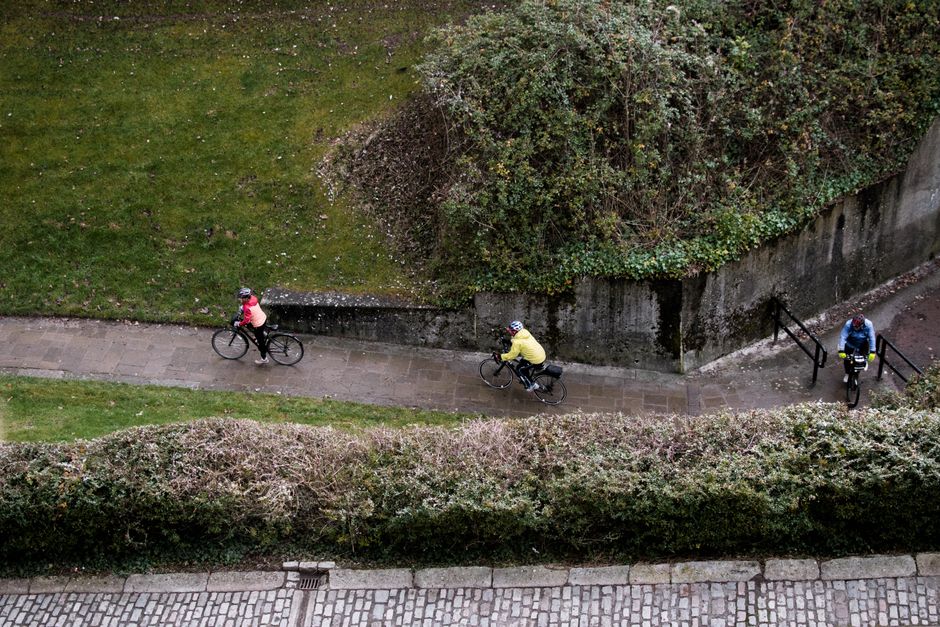
Price matters, but the cheapest cover is not always the lowest-cost choice. A disposable race-oriented design can be excellent for occasional rain, while a neoprene cover makes more sense for repeated cold commutes. The following comparison uses manufacturer-listed prices and specifications checked in 2026; local tax, shipping, and stock can change the final amount.
| Product | Listed price | Key specifications | Best use | Main exclusion |
|---|---|---|---|---|
| veloToze Tall Shoe Covers Road 2.0 | $19.99 | Waterproof and windproof material; reinforced toe and bottom; EU 37-49 | Occasional wet road rides and racing | Little insulation; sharp objects can damage the material |
| veloToze Tall Silicone Shoe Covers | $32.90 | 100% silicone; snap closure; rated for wet riding from 0°C to 15°C; EU 37-49.5 | Riders who want easier installation | Requires careful placement around the cleat and heel pad |
| Castelli Diluvio UL Shoecover | €74.95 | 3 mm neoprene; sealed seams; 248 g; listed range 2°C to 14°C | Cold, repeated February commuting | Heavier and warmer than a thin rain cover |
Best low-cost rain protection
The veloToze Tall Shoe Covers Road 2.0 are the clear value pick for riders who face rain but do not need much extra warmth. At $19.99, the reinforced toe and bottom improve durability over a fragile disposable cover. They suit road shoes and pack small. Choose them for a wet training ride around 8°C to 15°C, not for a slow, freezing commute.
Best cold-weather protection
The Castelli Diluvio UL is the stronger choice for regular February use. Its 3 mm neoprene, sealed seams, and 2°C to 14°C range address both water and heat loss. The price is much higher, but the construction matches a rider who expects repeated use. My verdict: buy the Castelli for cold commuting; buy the veloToze Road 2.0 for occasional rain.
Are waterproof overshoes worth wearing for every wet ride?
Are overshoes useful above 12°C?
Yes, if the ride is long or the rain is steady, but choose a thin design. At 12°C to 15°C, a heavy neoprene cover can leave your feet sweaty. The veloToze Tall Shoe Covers Road 2.0 block spray without adding the same level of insulation. For a short ride in warm rain, ordinary shoes with water-resistant socks may be enough.
Should commuters choose silicone or neoprene?
Choose silicone when rain protection and quick installation matter most. The veloToze Tall Silicone Shoe Covers use snaps and cover a broad 0°C to 15°C wet-weather range, but they still need careful alignment around the cleat. Choose neoprene when cold is the bigger threat. The Castelli Diluvio UL feels warmer and handles repeated winter use better, though it costs more and takes longer to dry.
When should you buy winter cycling shoes instead?
Buy dedicated winter shoes when you ride through wet conditions several times each week, walk often during the trip, or keep breaking shoe covers on wide soles. Winter shoes cost more at the start, but they remove the cleat-installation problem and usually offer better insulation. Overshoes remain the better first purchase for a rider who owns one well-fitting pair of road or gravel shoes and rides in rain only a few times each month.
The verdict is practical: thin silicone or latex covers suit mild rain, neoprene suits cold rain, and winter shoes suit frequent wet commutes with walking.
What is the final buying recommendation for February rain?
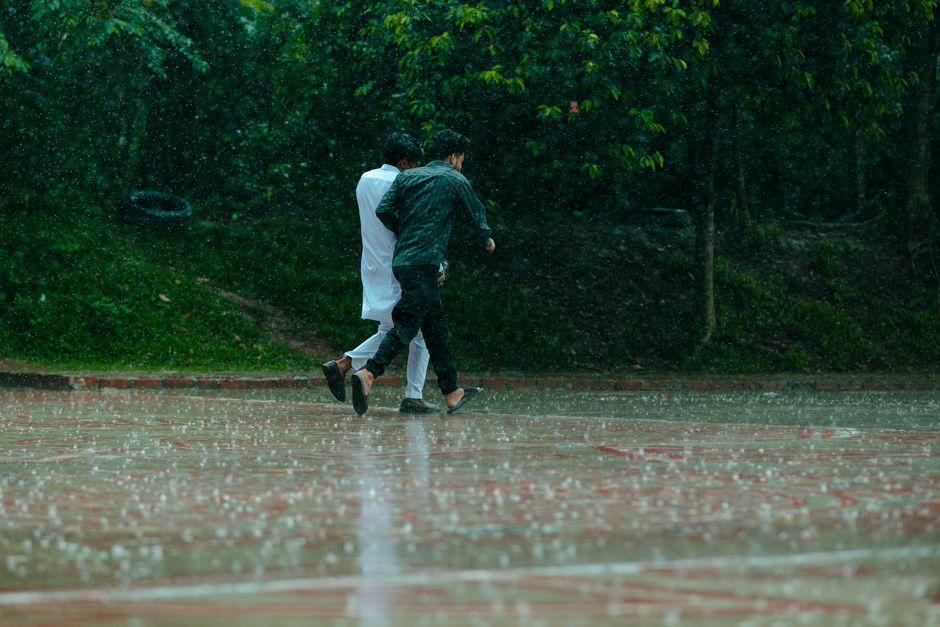
For most riders facing cold, wet February commutes, the Castelli Diluvio UL is the strongest single choice. Its 3 mm neoprene, sealed seams, adjustable sole opening, and listed 2°C to 14°C range match the real problem: heat loss through a ventilated cycling shoe. It does not make the shoe fully submersible, and its €74.95 price is excessive for a rider who sees rain twice a year. The recommendation is tied to repeated use, not brand prestige.
Choose this option for your riding pattern
- Cold rain below 10°C: Castelli Diluvio UL, because insulation matters as much as water blocking.
- Warm rain above 10°C: veloToze Tall Shoe Covers Road 2.0, because the light material reduces overheating and costs $19.99.
- Frequent fitting and removal: veloToze Tall Silicone Shoe Covers, because snap closures are easier to manage than a tight stretch cover.
- Wide MTB shoes or regular walking: skip road overshoes and buy winter cycling shoes designed around that sole shape.
The final exclusion warning
Do not buy waterproof overshoes to solve wet socks caused by poor rain-jacket or tights overlap. Do not expect a road cover to survive long walks, rocky trails, or a badly matched cleat opening. Check the temperature range, measure the shoe, and test the cover indoors before the first storm.
For a February rider who regularly meets cold rain on paved roads, waterproof overshoes are worth wearing, and the Castelli Diluvio UL is the best fit for that specific job. For occasional mild rain, the veloToze Tall Shoe Covers Road 2.0 deliver enough protection at a much lower cost.
