
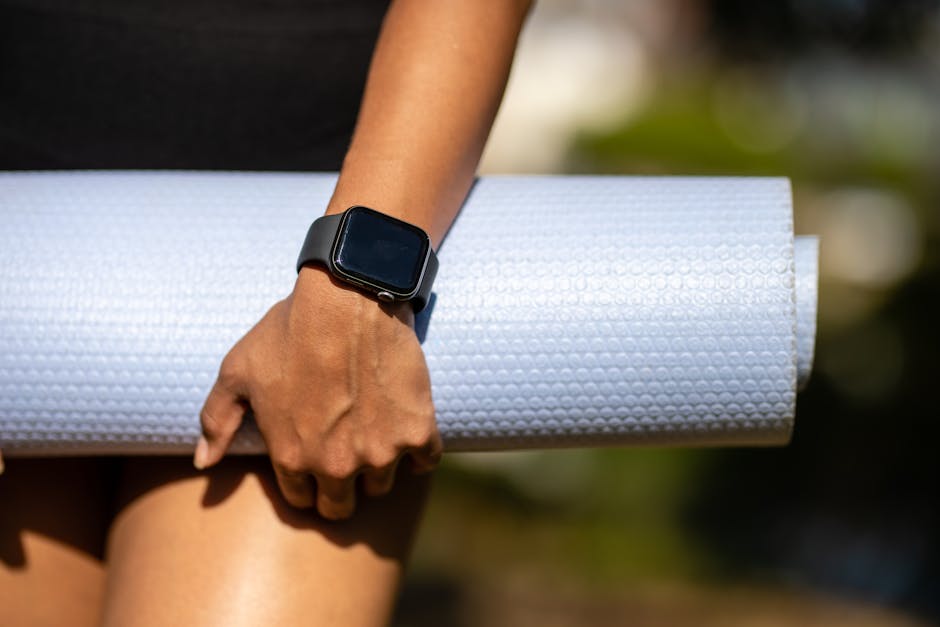
Stop buying 2,000 rupee watches and expecting them to know how your heart works. Seriously. I see people at the park all the time, proudly checking their ‘Noise’ or ‘Fire-Boltt’ screens, convinced they’ve burned 600 calories on a twenty-minute stroll. It’s a lie. I know because I fell for it too. Three years ago, I bought a budget Indian-brand watch—I won’t name names, but it rhymes with ‘goat’—and it told me my heart rate was 0 bpm while I was mid-sprint. According to my wrist, I was literally a ghost haunting the Bangalore sidewalks. Total garbage.
The expensive truth about budget brands
Most of the ‘best-selling’ fitness watches in India right now are just notification buzzers with a green light on the back that guesses your heart rate. They aren’t medical devices. They aren’t even good sports devices. They are fashion accessories for people who want to look like they go to the gym. If you actually care about data—I mean real data you can use to not die of a heart attack at forty—you have to spend the money. It sucks, but it’s true.
I’ve tested 7 different watches over the last 3 summers, tracking everything from my morning runs in Cubbon Park to my mediocre attempts at swimming. What I’ve realized is that in India, we have a very specific problem: the heat and the dust mess with sensors more than the reviewers in California admit. What I mean is—actually, let me put it differently. A watch that works in a 20-degree air-conditioned lab in Cupertino behaves very differently when you’re sweating buckets in 38-degree humidity in Mumbai.
If the watch costs less than a pair of decent running shoes, the data it gives you is probably fictional.
The only watch I actually trust
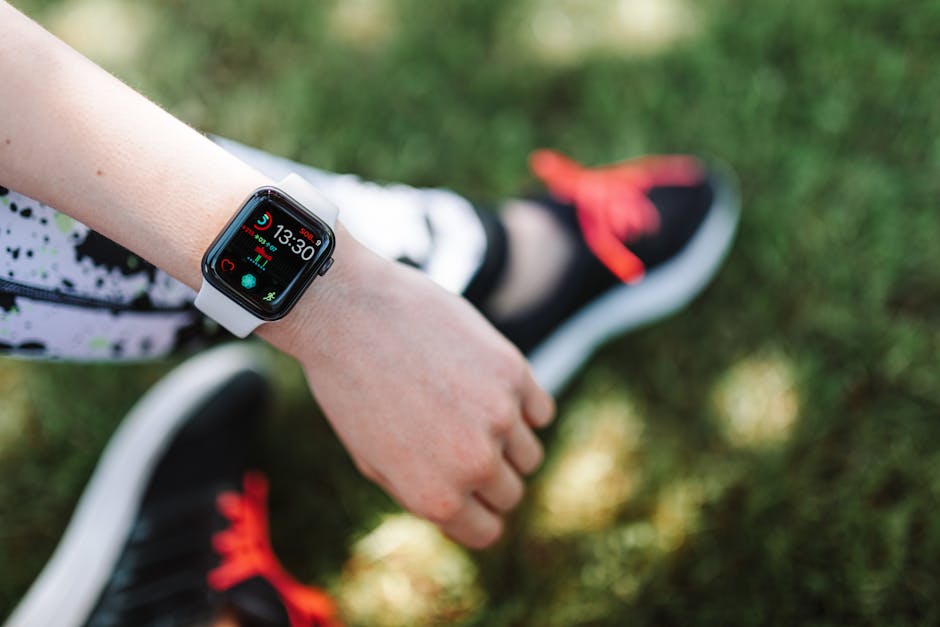
I used to think Garmin was just for pretentious marathon runners who wear tiny shorts. I was completely wrong. After my ‘ghost’ incident with the cheap watch, I saved up and bought a Garmin Forerunner 55. It’s not pretty. It has a screen that looks like it’s from 2004. But the GPS? It locks on in exactly 14 seconds, even when I’m surrounded by high-rises. I tracked a 5km run last Tuesday and compared it to the actual road markers; it was off by only 12 meters. That is insane precision.
The battery life is the real winner here. I get about 11 days on a single charge. I hate charging things. I have enough cables in my life. Anyway, speaking of cables, why is every single brand using a different proprietary charger? It’s a literal scam to make us buy more plastic. I once went on a weekend trip to Coorg, forgot my specific Garmin puck, and had to keep the watch on ‘battery saver’ mode like a caveman. But I digress.
- Garmin Forerunner 255: The gold standard if you can afford 30k. It tracks ‘Heart Rate Variability’ which tells you if you’re getting sick before you even feel it.
- Apple Watch SE: Good for the ‘I just want it to work’ crowd, but the battery life is like a fruit fly—dead in a day.
- Amazfit GTR series: The only ‘mid-range’ brand that doesn’t feel like a total scam, though the sleep tracking is questionable.
I might be wrong about this, but sleep tracking is a scam
I know people love their sleep scores. They wake up, check their watch, and if the watch says ‘Poor Sleep,’ they suddenly feel tired. It’s psychological warfare. I’ve worn a Garmin and an Apple Watch on opposite wrists (yes, I looked like a lunatic) and they gave me completely different deep sleep numbers. One said 1 hour, the other said 12 minutes. Who is right? Probably neither. I think we should stop letting silicon chips tell us if we feel rested. Just use your eyes. Are they red? Then go back to sleep. Simple.
The brand I actively tell my friends to avoid
I’m going to be unfair here, but I genuinely hate Fossil smartwatches. I don’t care if they look like real watches. Every single person I know who bought one has had the charging ring fall off within six months. They use Google’s WearOS which is basically a battery vampire. You’ll spend more time looking at the charging screen than your actual steps. I refuse to recommend them even if they go on a 70% sale on Flipkart. Don’t do it.
I had a particularly embarrassing moment with a Fossil Gen 5 at a wedding in Delhi. I was trying to show off the ‘translate’ feature to an uncle, and the watch just… died. Mid-sentence. I spent the rest of the night wearing a dead circle of metal on my wrist. I felt like a fraud. Never again.
The ‘Best’ is relative, but here is my verdict
If you are serious about fitness in India, you buy a Garmin. If you just want to see your WhatsApp messages while driving your scooty, buy whatever is on sale for 3,000 rupees. But don’t pretend it’s a fitness tool.
Is the Apple Watch Series 9 better? Maybe. If you enjoy charging your watch every night like a second smartphone. I don’t. I want to put a watch on and forget about it for a week. I want it to survive a monsoon downpour and a dusty commute on the Metro. For me, that’s the Forerunner 255 or even the older 245 if you can find it on a discount.
I honestly wonder if we’ll look back at these things in ten years and laugh at how obsessed we were with counting steps. Will we realize that walking 10,000 steps doesn’t matter if you’re eating garbage anyway? I don’t know the answer to that. I still check my wrist every time I finish a walk, hoping for that little vibration that tells me I did a good job. We’re all just looking for a bit of validation, aren’t we?
Buy the Garmin. Skip the Fossil. Stop trusting the 2,000 rupee heart rate sensors.
