

I remember standing in the middle of a local park three years ago, staring at my feet while a dull, throbbing pain radiated from my arches up to my shins. I had just finished a modest four-mile loop. It wasn’t the distance that killed me; it was the fact that I was wearing a pair of generic trainers I’d bought because they were on sale and matched my favorite leggings. That was the day I stopped treating running shoes like fashion accessories and started treating them like pieces of medical equipment. If you are serious about moving your body, the interface between your foot and the pavement is the only thing that actually matters.
Finding the right pair isn’t about following a trend. It is a messy process of trial and error, sweat, and occasionally, lost toenails. After years of testing everything from the ultra-cushioned ‘moon shoes’ to minimalist flats that felt like running on cardboard, I’ve realized that the ‘best’ shoe is a moving target. It depends on your gait, your mileage, and the specific terrain you’re tackling this weekend. I’ve spent the last twelve months rotating through the latest releases to see which ones actually hold up after 200 miles.
How to choose the right running shoe for your foot type
Before you even look at a brand name, you need to know what your feet are doing when they hit the ground. Most of us fall into one of three categories: neutral, overpronation, or supination. I used to think I was a neutral runner until a gait analysis at a retail shop revealed that my right ankle collapses inward—classic overpronation. This discovery changed everything. If you haven’t done it, try the ‘wet foot test.’ Wet your sole, step on a piece of cardboard, and look at the imprint. A full footprint suggests flat feet (overpronation), while a thin line connecting the heel and ball suggests high arches (supination).
Size is the next hurdle. I cannot stress this enough: stop buying your street shoe size. When you run, your feet swell. If you buy a size 7 because that’s what your boots are, you will end up with black toenails by mile six. I always go up at least a half size, sometimes a full size, depending on the brand’s toe box width. You want about a thumb’s width of space between your longest toe and the end of the shoe. When I’m browsing retailers like JD Sports or Decathlon, I always check the user reviews specifically for ‘runs small’ or ‘runs narrow’ tags, as brands like Nike tend to be tighter than New Balance.
Lastly, consider the ‘drop.’ This is the difference in height between the heel and the forefoot. Most traditional shoes have a 10mm to 12mm drop, which is great for heel strikers. However, if you’re trying to move toward a midfoot strike, you might prefer a lower drop, around 4mm to 6mm. It feels different. It strains your calves more initially. Don’t switch from a high drop to a zero-drop shoe overnight unless you want to spend a month icing your Achilles tendons.
Best neutral running shoes for daily training
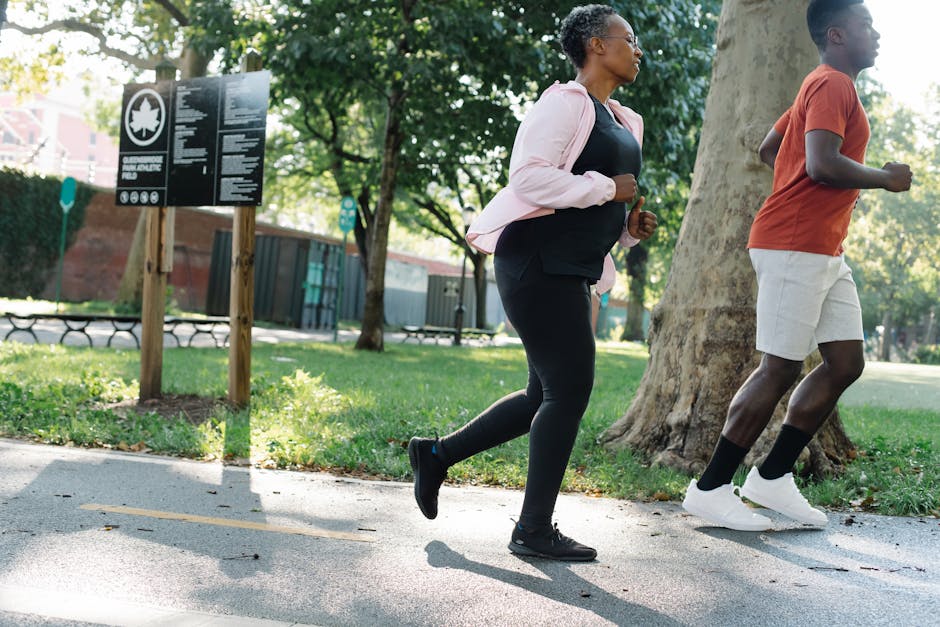
For the majority of runners who don’t have severe biomechanical issues, a neutral daily trainer is the workhorse of the closet. These shoes are designed to provide a balance of cushioning and flexibility. My current favorite for those ‘easy miles’ where you just want to zone out is the Brooks Ghost 16. It isn’t flashy. It doesn’t have a carbon plate or a radical rocker shape. But it is incredibly consistent. The DNA Loft v3 cushioning feels soft without being mushy, which is a common complaint I have with some of the newer, oversized foams.
| Model | Approx. Price | Pros | Cons |
|---|---|---|---|
| Brooks Ghost 16 | £135 | Extremely durable, reliable fit | Lacks ‘energy return’ for fast runs |
| Nike Pegasus 41 | £130 | Versatile, great aesthetic | Narrow midfoot can be restrictive |
| Saucony Triumph 21 | £160 | Premium plush feel | Higher price point for a trainer |
The Nike Pegasus 41 is another staple that I keep in my rotation. It’s the shoe I grab when I’m traveling and can only pack one pair. It’s responsive enough for a quick 5k but has enough ReactX foam to handle a long Sunday run. However, be warned: Nike’s fit is notoriously snug. If you have a wider forefoot, you might find the Pegasus a bit suffocating. I’ve found that purchasing through major retail partners often gives you a better return policy if the fit isn’t right after a treadmill test. The Saucony Triumph 21 is the ‘luxury’ pick here. It uses PWRRUN+ foam which feels like running on a cloud that actually pushes back. It’s more expensive, but if you’re recovering from an injury and need that extra dampening, it’s worth the investment.
Top stability running shoes for overpronation
If your ankles roll inward, neutral shoes will eventually cause knee pain or plantar fasciitis. I learned this the hard way. Stability shoes use ‘medial posts’ or ‘guide rails’ to keep your foot in a neutral plane. The ASICS Gel-Kayano 30 has been a total revelation for my stability needs. ASICS moved away from the old, hard plastic posts and replaced them with a ‘4D Guidance System.’ It’s a softer foam on the inside of the arch that only kicks in when you actually need it. It feels much more natural than stability shoes from five years ago.
Stability doesn’t have to mean ‘clunky.’ Modern engineering allows for corrective support without the weight of traditional motion-control shoes.
Another strong contender is the New Balance Fresh Foam X Vongo v6. I love this shoe for long-distance training because the Fresh Foam X is surprisingly light for a stability model. It has a 6mm drop, which is slightly lower than the Kayano, making it feel a bit more aggressive. The con? The outsole grip on wet pavement isn’t the best I’ve tested. If you live somewhere with constant rain, you might find yourself slipping on manhole covers. These are frequently available at major sports retailers, and I’ve noticed they often go on sale when the new colorways drop, so keep an eye on those retail sites.
Best trail running shoes for technical terrain
Road shoes on a trail are a recipe for a twisted ankle. I tried it once on a muddy incline in the Peak District and spent the afternoon sliding down hills on my backside. Trail shoes need two things: lugs for grip and a rock plate to protect your feet from sharp stones. The Hoka Speedgoat 5 is the undisputed queen of the trails for a reason. The Vibram Megagrip outsole is like Velcro on rock. I’ve worn these on everything from loose scree to deep mud, and they never lose their bite.
- Hoka Speedgoat 5 (~£140): Massive cushion, elite grip, but the high stack height can feel ‘tippy’ on very uneven ground.
- Salomon Speedcross 6 (~£135): Deep lugs for mud, very secure ‘Quicklace’ system, but the narrow fit isn’t for everyone.
- Nike Terra Kiger 9 (~£120): Lower profile, great for ‘feeling’ the trail, but lacks the protection for very rocky paths.
The Salomon Speedcross 6 is my go-to for winter running. The lugs are so aggressive they look like football cleats. It excels in soft, wet ground where other shoes would just clog up with mud. However, don’t wear these on the road. The hard rubber lugs will wear down in weeks if they spend too much time on asphalt. I usually pick up my trail gear from specialized outdoor sections of retail sites, as they often bundle them with gaiters or trail socks. The trade-off with the Speedcross is the narrowness; it’s a very ‘European’ fit, so wide-footed runners should definitely look toward the Hoka or New Balance trail lines instead.
Carbon plated shoes for racing and speed work
There was a time when I thought carbon fiber plates were just for elites and influencers. Then I put on a pair of Adidas Adizero Adios Pro 3 for a half-marathon. The difference in leg fatigue at mile 10 was undeniable. These aren’t daily trainers; they are ‘super shoes.’ They use stiff carbon rods and ultra-responsive foam to propel you forward. It feels like a trampoline under your heel. The Adios Pro 3 is particularly good because the EnergyRods 2.0 follow the anatomy of the foot, making the transition from heel to toe feel less like a ‘snap’ and more like a roll.
However, these shoes have a lifespan. Most super shoes only last about 200 to 250 miles before the foam loses its magic. At roughly £220 a pair, that’s about a pound per mile. I save mine strictly for race day and one or two ‘taper’ runs to get used to the feel. The Saucony Endorphin Pro 4 is another fantastic option that feels a bit more stable than the Adidas. The Pro 4 has a wider base, which is helpful if you’re a runner who gets a bit sloppy with your form when you’re tired. The downside to all these carbon shoes is the price and the lack of durability in the outsole. You are paying for speed, not longevity.
Managing costs: When to replace shoes and finding deals
Running is often called a ‘cheap’ sport, but once you’re replacing shoes every 400 miles, the costs add up. Most experts say 300-500 miles is the sweet spot. I personally track my mileage in an app because the foam often dies before the tread looks worn out. If you start feeling new aches in your knees or hips, it’s usually a sign that the midsole has collapsed. One trick I’ve learned is to buy ‘last year’s model.’ When the Brooks Ghost 16 comes out, the Ghost 15 usually drops by 30-40% at major retailers. There is rarely a massive technological leap between one year and the next, so this is the best way to save money.
Rotating your shoes is another way to extend their life. It sounds counterintuitive to buy two pairs at once, but giving the foam 48 hours to fully decompress between runs actually makes them last longer. I keep a ‘cushioned’ pair for long runs and a ‘firm’ pair for speed work. For financing these more expensive purchases, some retail partners offer flexible payment options or loyalty points that can be redeemed for gear. Always check if your workplace or health insurance offers discounts on sports retail—many do, and it can take a significant chunk off the price of a high-end pair of ASICS or New Balance.
Ultimately, your shoes are your most important piece of gear. Don’t be afraid to return a pair that doesn’t feel right after the first mile. Most reputable retailers understand that you can’t know if a shoe works until you’ve actually run in it. Take the time to find the model that disappears on your foot. When you find that perfect pair, the run stops being about your feet and starts being about the road ahead of you.
