
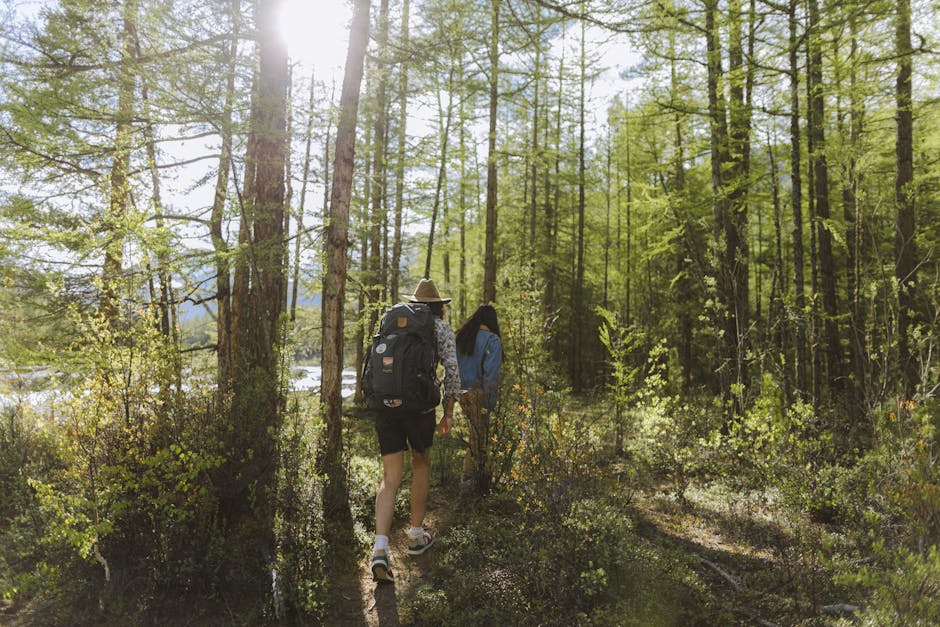
The Osprey Aether Plus 100 is the largest hiking backpack most people will ever need. At 100 liters, it fits a 10-day winter kit, a bulky down sleeping bag, a four-season tent, and four days of food without compression straps screaming. I’ve used it on a 12-day Sierra route and a winter mountaineering trip in the Cascades. It’s genuinely enormous.
But here’s what nobody mentions before you drop $340 on a massive pack: most hikers who buy 90L+ end up filling 60 liters of space and wondering why their lower back is wrecked by day two. Bigger packs don’t just hold more—they change how you hike, how you pack, and how load distribution hits your body. Getting this right takes more thought than grabbing the largest bag on the shelf.
Volume Numbers: What the Liters Actually Tell You
Pack volume gets thrown around without context. A “65L pack” from one brand fits differently than a “65L pack” from another because manufacturers measure internal volume inconsistently. That said, the general tiers hold up across the market.
| Volume | Best For | Typical Trip Length | Example Pack | Empty Weight | Approx. Price |
|---|---|---|---|---|---|
| 30–45L | Day hikes, overnights | 1–2 nights | Osprey Talon 33 | 1.1 kg | $160 |
| 45–65L | Weekend to 5-night trips | 2–5 nights | REI Co-op Flash 55 | 1.3 kg | $169 |
| 65–80L | Extended trips, shoulder season | 5–10 nights | Gregory Baltoro 75 | 2.1 kg | $340 |
| 80–100L+ | Winter mountaineering, 10+ night expeditions, group carries | 7–14+ nights | Osprey Aether Plus 100 | 2.5 kg | $340 |
The 80–100L tier is specialized. If your trip doesn’t match the “Best For” column above, you’re buying too much pack. A 100L bag on a 4-night summer trip is like driving a semi to the grocery store—technically works, mostly unnecessary.
Why Manufacturers Build Packs This Large
High-volume packs exist for specific reasons: winter camping where insulation alone takes up 15–20 liters, mountaineering trips hauling rope, crampons, and a helmet, extended backcountry travel with no resupply for 10+ days, and group carries where one person hauls shared gear like a tent or cooking system. These are real use cases. They’re just less common than the sales floor suggests. Brands have an obvious incentive to make large packs look appropriate for average trips. They aren’t.
Volume Compression: The Hidden Feature Worth Checking
Most large-frame packs include top lids that expand, hip belt pockets, and front panel zip access. The Gregory Baltoro 95, for instance, has a removable top lid that converts into a standalone summit pack—so that “95 liters” splits into a large main compartment and a small detachable daypack for summit bids from a base camp. That’s a meaningful feature for mountaineers. For thru-hikers or long-distance backpackers, it’s dead weight you’re hauling every single day. Always check whether the volume features of a specific pack match your actual use case, not just the number on the label.
The Only Trips That Actually Justify 80L+
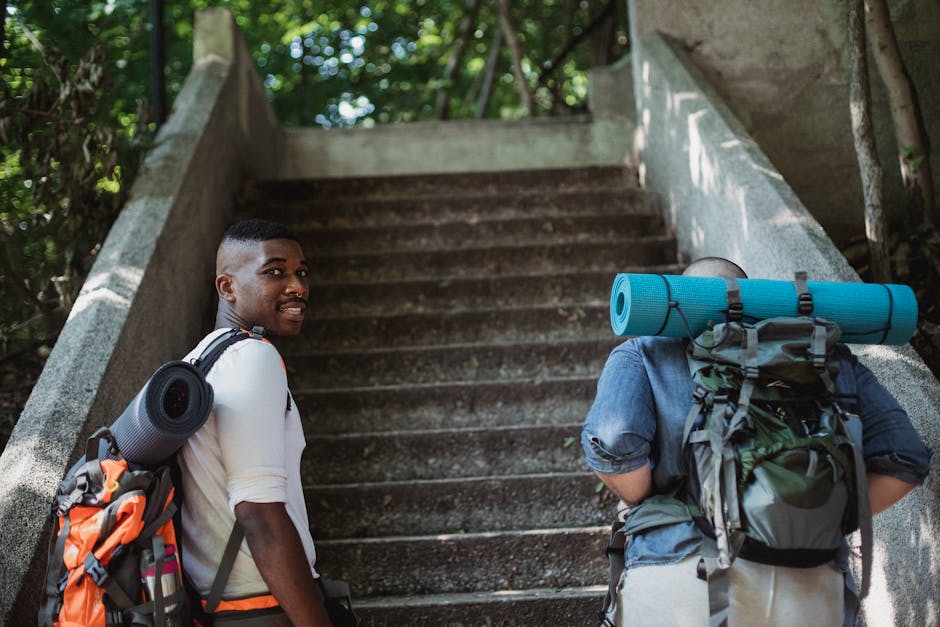
Three scenarios: winter camping where your sleep system alone swallows 20 liters, a 10+ night route with zero resupply, or technical mountaineering where ropes and hardware won’t compress. That’s the complete list. Everything else fits in 65 liters if you pack with any discipline at all. I know that’s a hard line. It’s also correct, and almost every experienced backpacker I’ve spoken with lands here eventually—after buying the big pack first.
Osprey Aether Plus 100 vs. Gregory Baltoro 95: A Real Comparison
These two packs have been the standard for large-volume hiking packs for years. The debate between them is genuine and worth settling clearly rather than landing on “both are great.” I’ve owned both. Here’s my actual take.
The Osprey Aether Plus 100 ($340) wins on comfort for sustained heavy loads. The AirSpeed suspended mesh back panel keeps airflow between you and the pack, which matters enormously on a 40-pound load in August heat. The harness foam is softer and molds well to narrower torsos. The hipbelt wings wrap aggressively and transfer load to your hips efficiently—which is exactly what you need when carrying 45 pounds for 8 hours. For most people in the 5’8″ to 6′ range with a standard torso build, the Large fits without extensive adjustment.
The Gregory Baltoro 95 ($380) wins on organization and day-to-day usability. More pockets, a better top lid configuration, and the Response A3 suspension system that self-adjusts as you move through uneven terrain. For technical routes where you’re constantly stopping, digging for gear, and re-routing, the Baltoro is the more functional pack moment to moment. The load lifter straps also give more precise tuning for taller torsos with longer shoulder-to-neck distances.
Where the Osprey Falls Short
The mesh back panel on the Aether is a liability in cold weather. Below about 10°C, moisture builds between your back and the suspended panel within a few hours of sustained hiking. You end up damp without precipitation. For dedicated winter use, this is a real problem, not a minor complaint. Also: at 2.5 kg empty, this pack is not light. Anyone transitioning from an ultralight setup will feel the frame weight immediately.
Where the Baltoro Falls Short
Gregory’s hip belt padding compresses under sustained heavy loads faster than Osprey’s foam compound. On a 12-day trip with 45+ pounds, most experienced users report noticeable padding compression by day five or six. This sounds like a minor issue until you’ve experienced hour seven of hiking with a hipbelt that no longer distributes load correctly. Gregory has improved this with each version, but the Osprey still edges it out for raw comfort on the longest, heaviest trips where padding longevity matters most.
My Pick for Most People
For a first 90L+ purchase: Osprey Aether Plus 100. It’s $40 cheaper, fits a wider range of body types out of the box, and the comfort advantage on maximum loads is real and consistent. If you’re an experienced mountaineer who base camps and does technical day ascents—the Baltoro 95 is the better tool. Also worth knowing: the Mystery Ranch Bridger 65 ($329) sits just below the 80L threshold but punches up in usable volume because of its tri-zip opening system giving full access to the main compartment. For anyone who thinks they need 90L, the Bridger 65 often solves the problem at 500g less empty weight.
Five Mistakes That Turn a Large Pack Into a Bad Trip
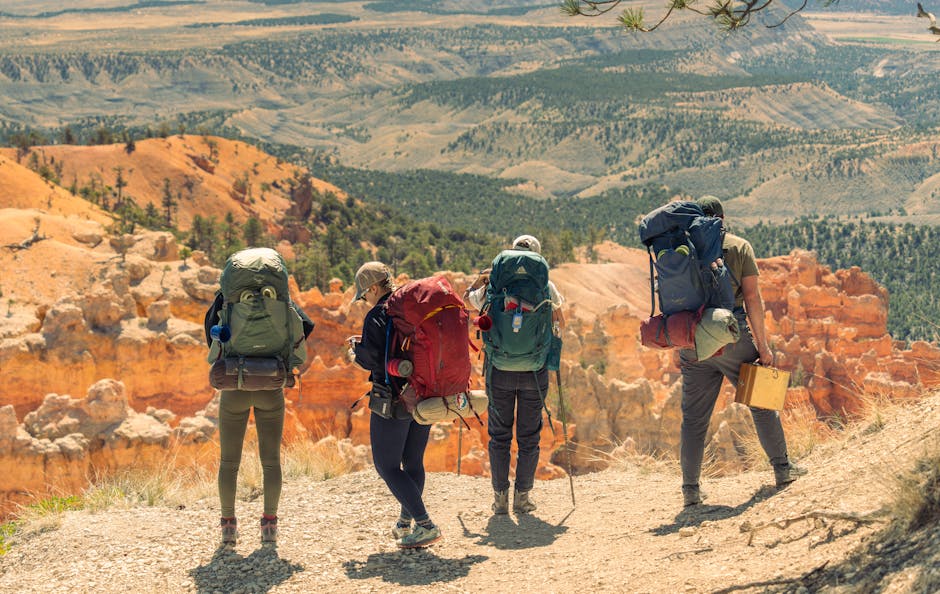
- Filling it because it’s there. An empty large pack is a psychological invitation to overpack. If you own a 100L bag, your “just in case” items multiply until you’re carrying a fourth pair of socks and a backup lantern you’ll never touch. Volume creates permission. The fix is simple: write your gear list before you open the pack, not after. Close the pack when your list is packed. If there’s space, that’s fine—it should be empty space.
- Buying large when medium fits fine. A 90L pack on a 5-night summer trip means hauling 2.5 kg of empty frame. The REI Co-op Flash 55 at $169 handles most warm-season trips under a week. That’s 1.2 kg of free weight savings before you’ve packed a single item. Over 10 hours of daily hiking, that weight difference is noticeable in your knees and hips.
- Getting the wrong torso length. Large-volume packs with full suspension systems are extremely sensitive to torso fit. A pack sitting 2 cm too high dumps load from your hips onto your shoulders. Always measure your torso length—C7 vertebra down to iliac crest—before buying. Osprey, Gregory, and Mystery Ranch all publish clear sizing charts. Buying on height alone is the single most common fitting mistake.
- Skipping the in-store fitting session. Buying a $350 pack online without trying it on loaded is a gamble you’ll often lose. REI and most specialty outdoor retailers have staff who will load a pack to 25–30 pounds and check harness contact points. This service is free and prevents the most common shoulder and hip problems before they become trail problems.
- Assuming bigger equals more durable. Frame volume and fabric durability are completely unrelated specs. The Osprey Aether Plus 100 uses 100D nylon on the main body—the same denier as many 50L daypacks. The Arc’teryx Bora 65 ($650) uses heavier, more abrasion-resistant construction, which is a significant part of why it costs nearly double. If your trips involve rocky scrambles, dense brush, or glacier travel with crampons strapped externally, fabric weight and seam quality matter far more than total volume.
Fit and Frame: Questions That Actually Matter
Does torso length matter more than overall height?
Yes, significantly. Two people standing at 6’0″ can have torso lengths that differ by 5–6 cm depending on body proportions. Hipbelt contact and shoulder harness positioning both depend on torso length, not height. Osprey offers XS through Large in most high-volume packs specifically because this variation is so common. Never size a large backpack by height. Measure your torso.
How heavy is too heavy when using a large pack?
The widely cited guideline: pack weight should stay at or below 20–25% of your body weight for multi-day hiking. At 30% and above, injury risk increases noticeably—primarily hip flexor strain and lower lumbar fatigue. A 100L pack loaded for a 10-day winter trip can easily hit 50–55 pounds total. For a 160-pound hiker, that’s 31–34% of body weight. Manageable for fit, experienced hikers on maintained trails. On technical terrain or for anyone with existing back problems, that loading level shortens trips.
Internal frame or external frame for maximum volume?
External frame packs—like the Kelty Trekker 65 ($120)—handle very heavy, awkward loads better because the rigid external structure keeps load away from your back and can support odd shapes. They’re still used by long-distance resupply packers hauling food caches. But they’re less stable on uneven terrain and don’t work with scrambling, off-trail travel, or technical routes requiring agility. Internal frame wins for anything involving rough terrain movement. External frame is specifically for trail hiking with brutal load weights where heat dissipation matters less than raw carrying efficiency.
When to Walk Away from the Biggest Pack
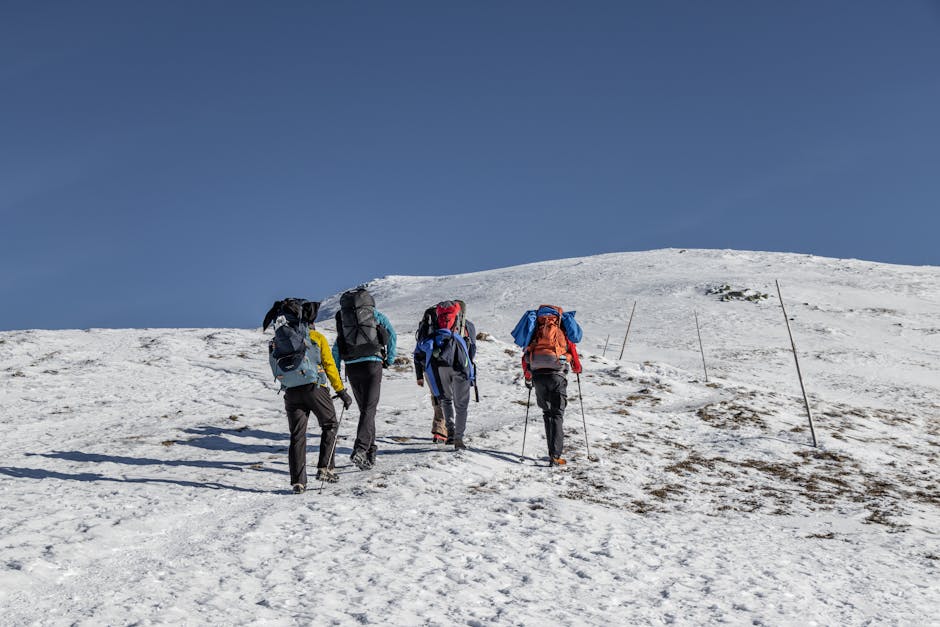
Honestly: most three-season backpackers never need more than 65 liters. If your trips are 1–7 nights in summer or shoulder season, and you’re not hauling group gear or technical equipment, a large-volume pack works against you more than it helps.
The REI Co-op Flash 55 at $169 handles 4-night trips comfortably for most people using modern lightweight gear. The Osprey Exos 58 ($240, 1.02 kg empty) is the ultralight option that handles 5-night trips with disciplined packing. Both are substantially lighter and more agile than anything in the 90L category, and neither requires you to think about whether your load distribution is correct before you’ve even left the trailhead.
Consider the high-volume category only when:
- Temperatures will drop below 0°C and your sleep system requires a 4-season bag and pad
- Your route exceeds 10 nights without resupply access
- You’re carrying shared group gear—tent, cooking kit, bear canister—for two or more people
- Your activity involves ropes, crampons, a harness, or technical equipment that won’t compress flat
None of those apply to most recreational backpacking trips. A well-fitted 60–65L pack serves the majority of hikers better in every measurable way: lower pack weight, more agility on technical sections, less temptation to overload, and better fit stability because the frame is sized for realistic carry weights. The overpacking spiral ruins more trips than any equipment failure—and it almost always starts with too much bag.
Measure your torso length before you buy anything else—that single step prevents more pack problems than any amount of brand research.
