
Coes field notes
The difficult part of a club dinner is rarely the dress code. It is packing clothes that still look deliberate after sharing a bag with ride kit, shoes, snacks and the damp remains of a long day.
Pack for the change, not the photograph
Start with the actual sequence. You finish the ride, return to a hotel or host’s house, shower, hang damp kit and leave again within an hour. The dinner clothes need to be easy to identify, protected from moisture and complete without a late search for socks or a belt. Put the entire evening outfit in one packing cube or clean cloth bag.
A successful capsule does not need many choices. It needs no weak link. Check the venue, expected temperature and whether the group walks from the accommodation. A country pub, private dining room and hotel bar can all be described as smart casual while demanding slightly different shoes or outerwear. Build for the least forgiving part of the route, usually the walk in bad weather rather than the chair at the table.
Use the shirt as the visual centre
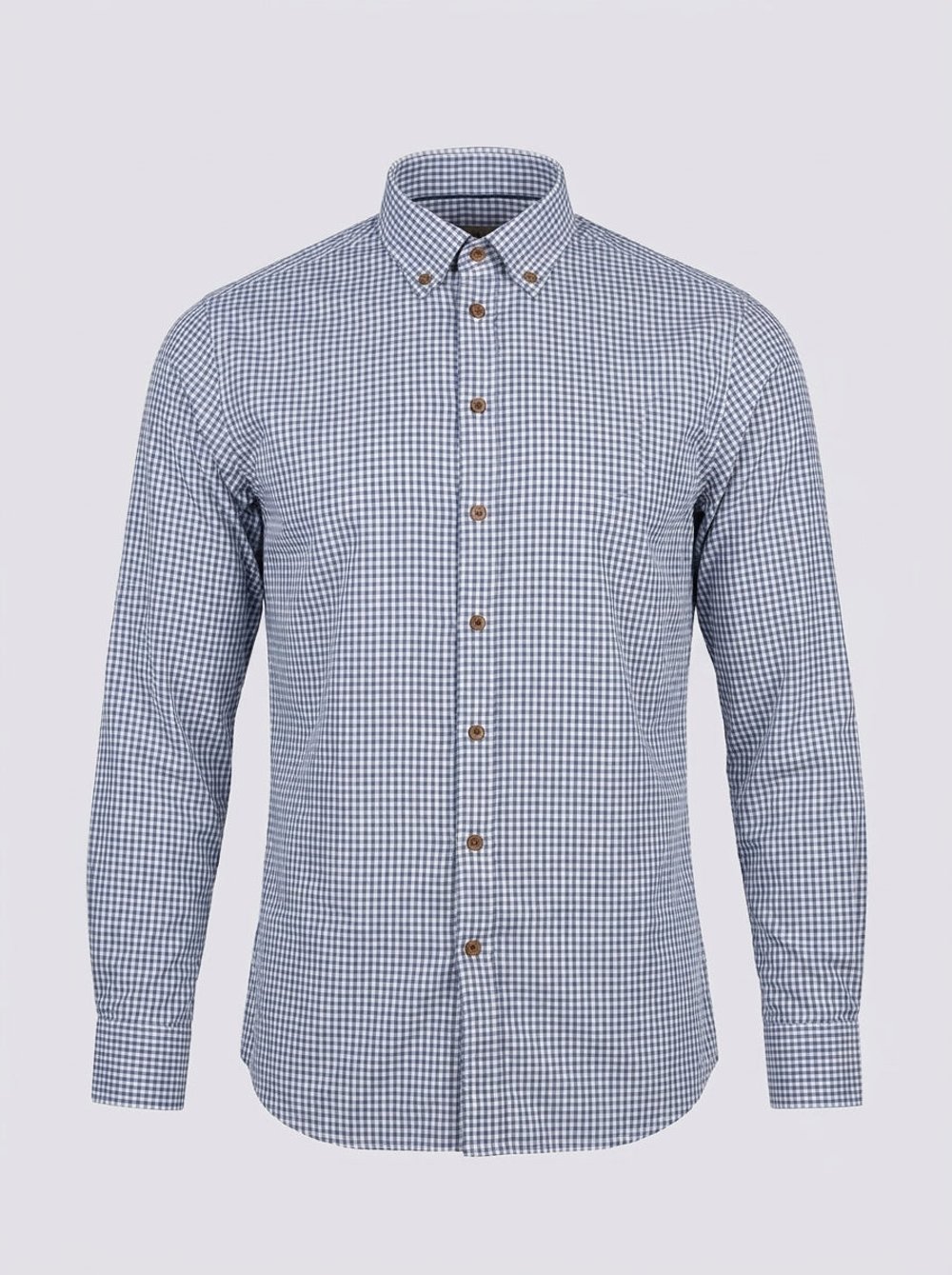
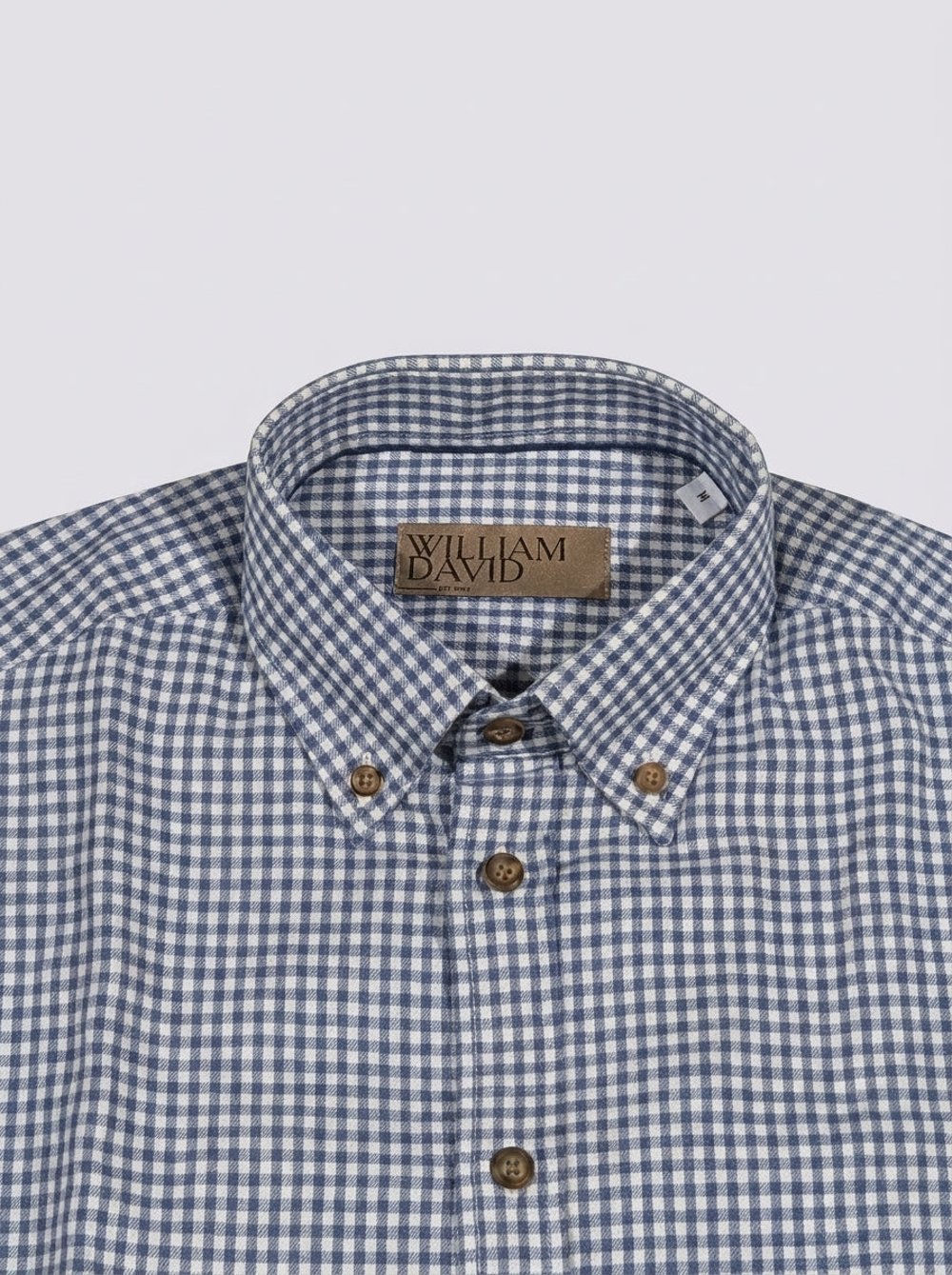
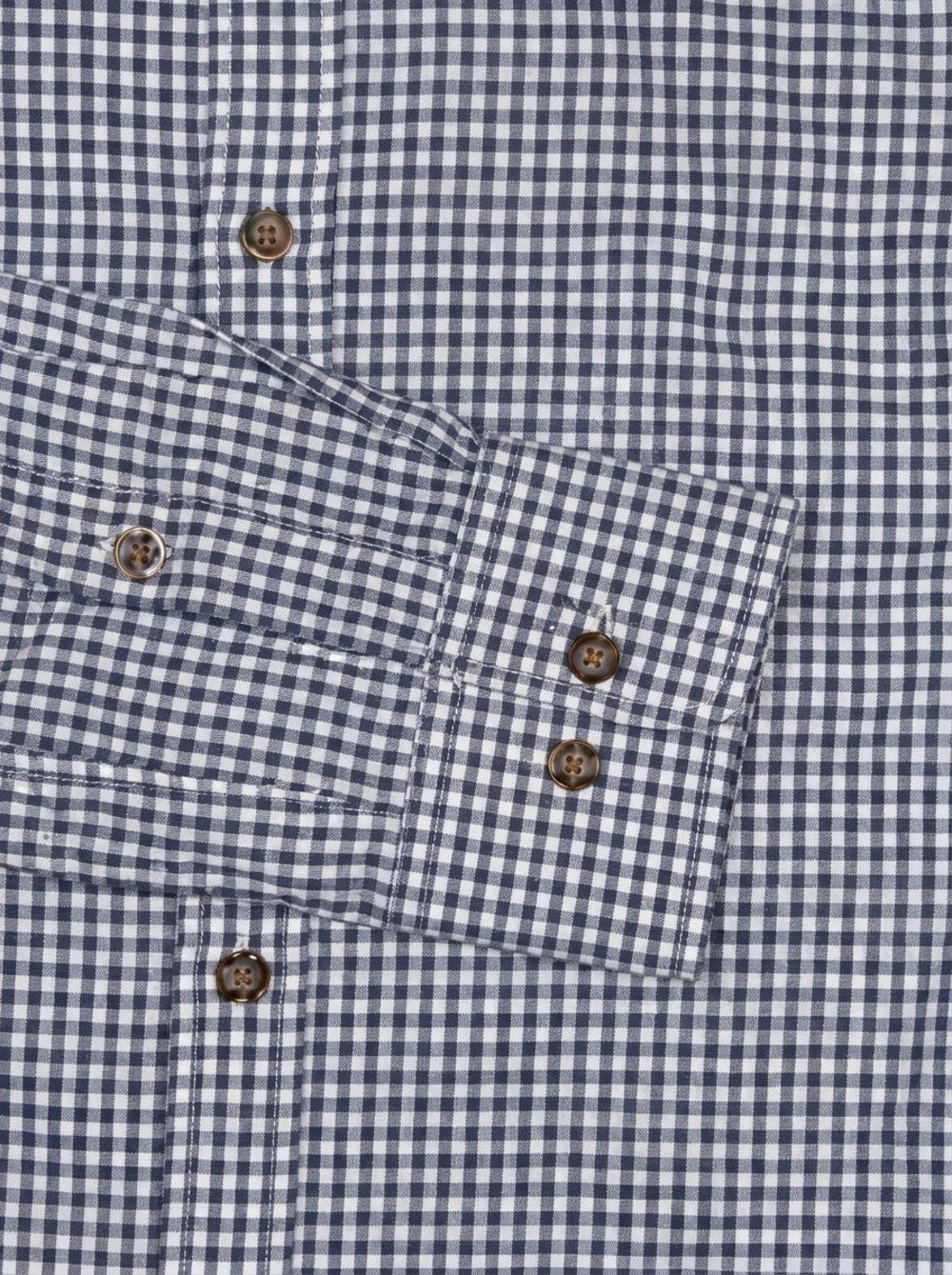
The William David Southwold shirt currently listed at Coes is a long-sleeved brushed cotton check with a button-down collar, horn-effect buttons and a regular fit. Coes describes it as suitable worn open over a T-shirt or tucked into chinos. The merchant also lists 100 percent cotton and a 30-degree inside-out machine wash; check the live care label and page before relying on those details.
Blue and white check gives the capsule enough pattern that the other pieces can stay quiet. It also looks intentional without requiring a jacket. Try the shirt after an ordinary ride day rather than only when fresh. Raise the arms, sit and reach forward. A collar that feels fine for five minutes in a shop must remain comfortable through dinner.
Let the trousers do the practical work
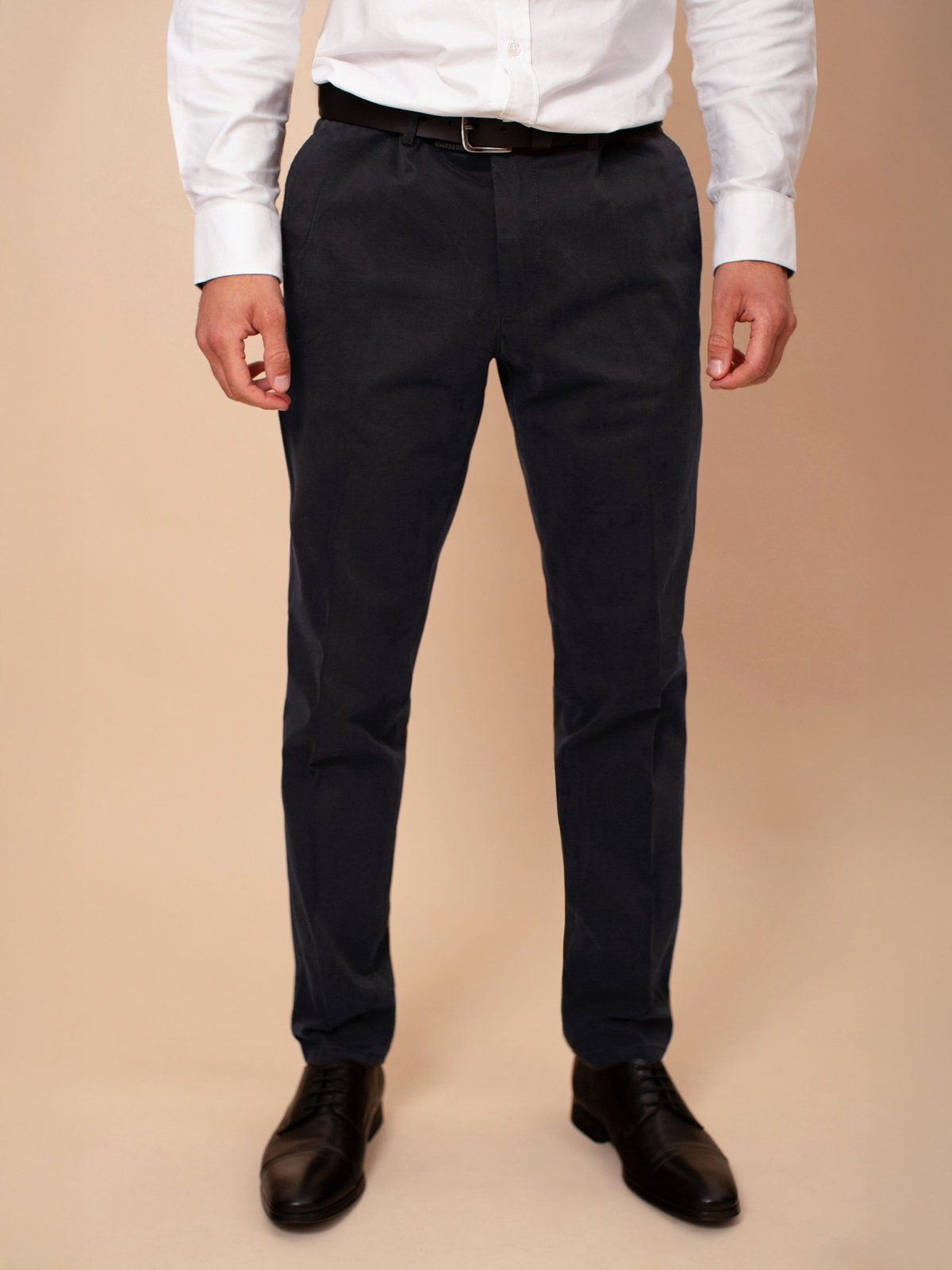
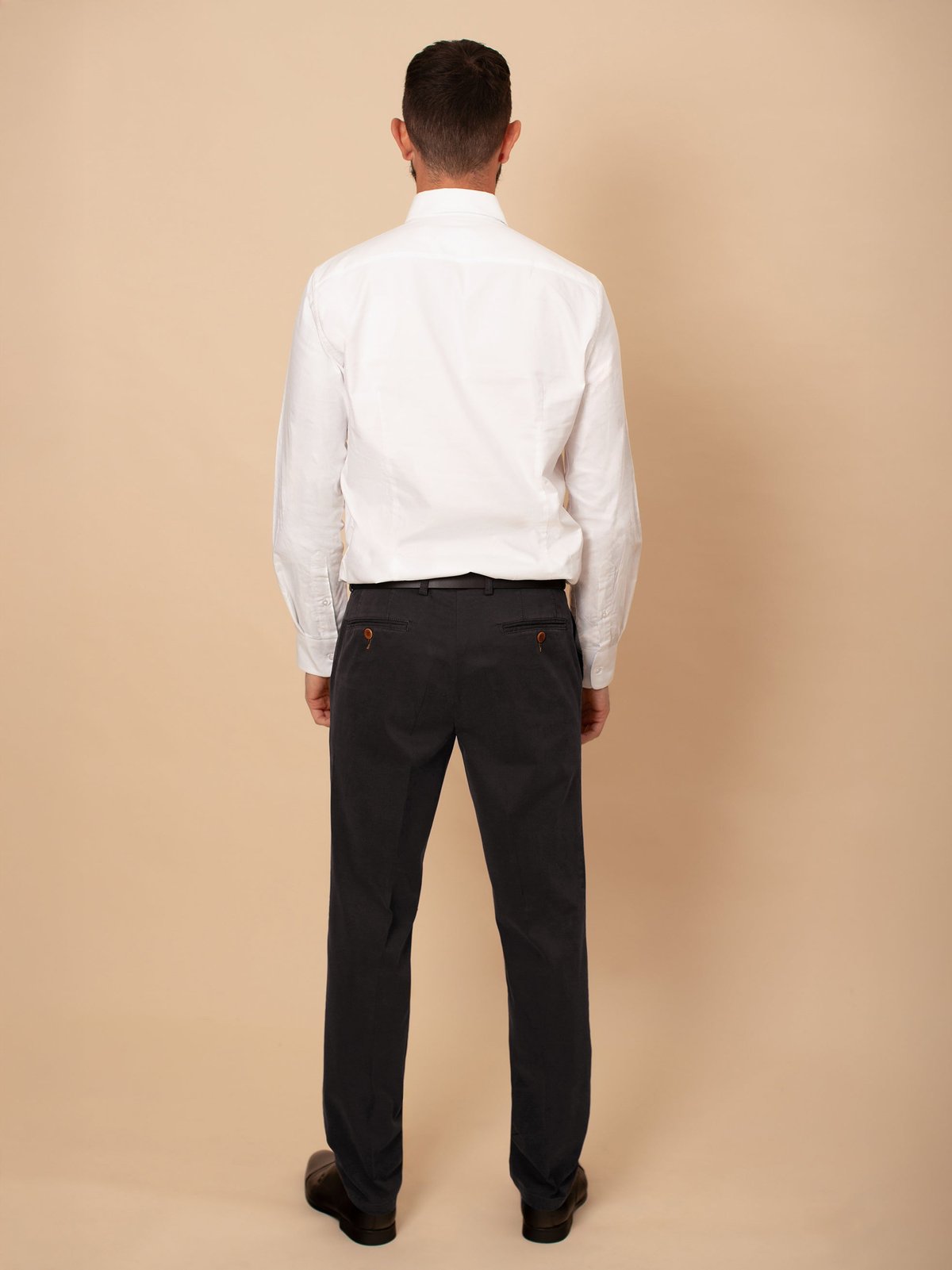
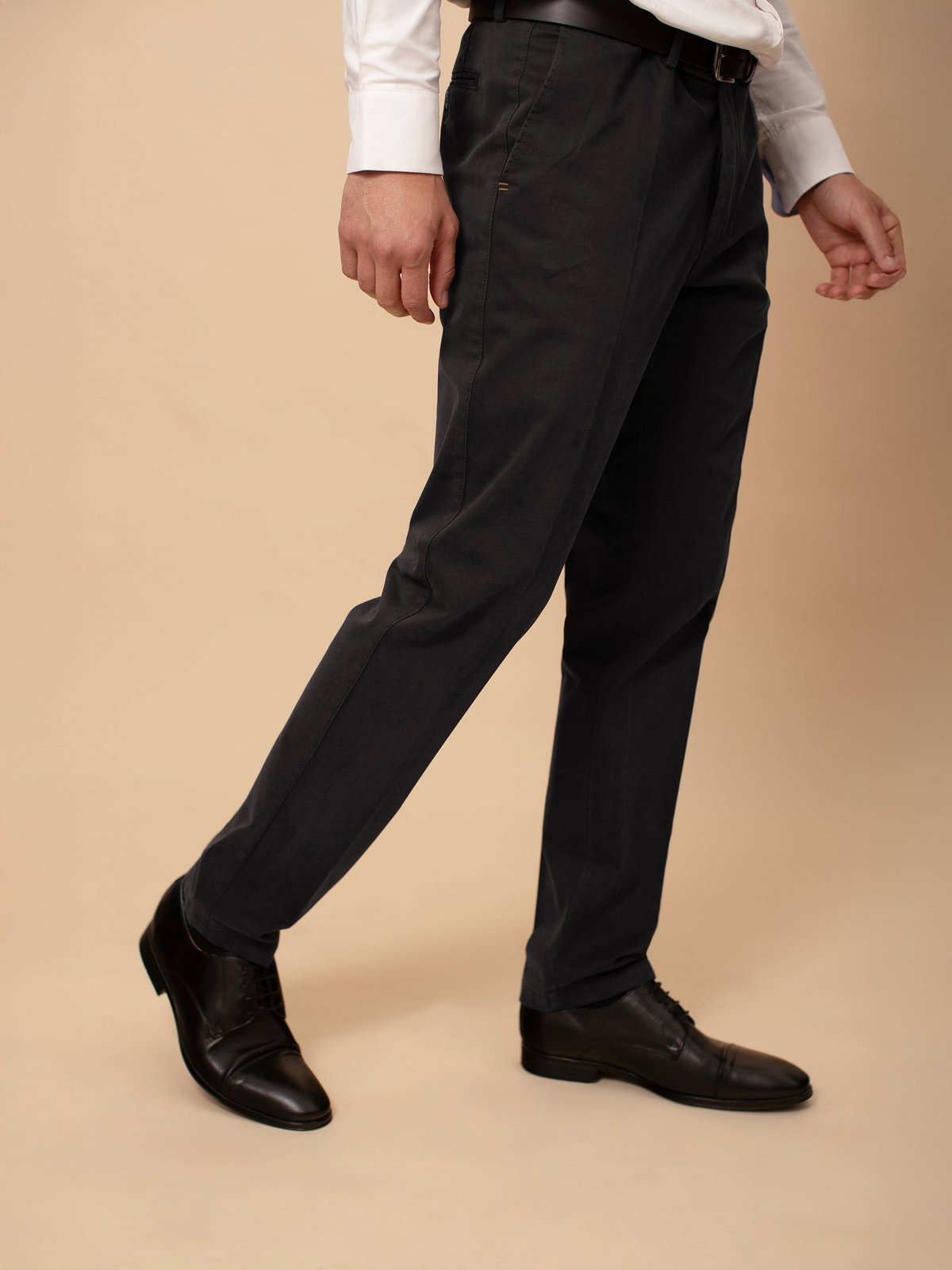
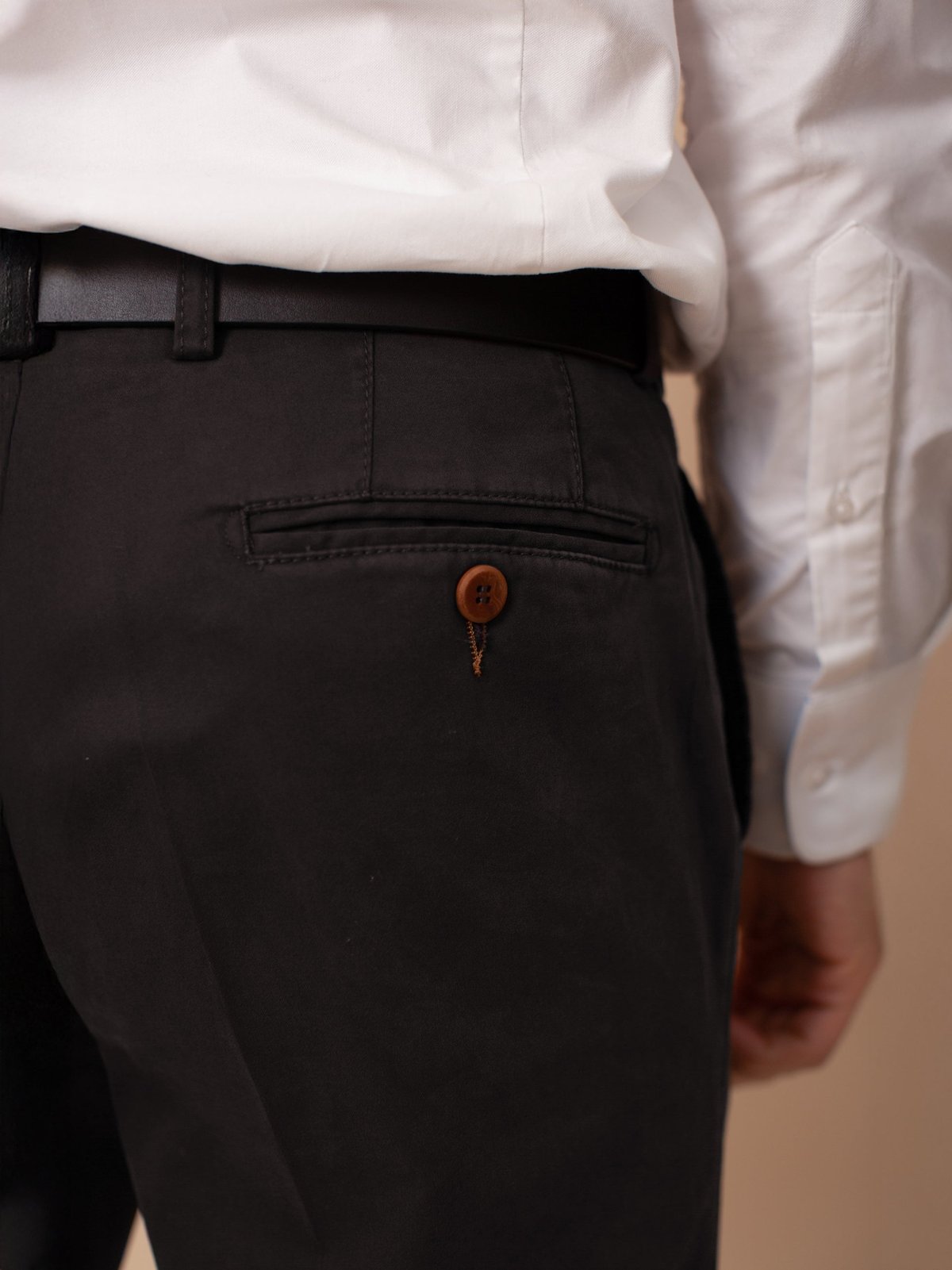
Coes describes the William David Charles chinos as a slim-fit design made from pima cotton and cotton, with belt loops, a hook-button-zip fastening, slanted front pockets and buttoned welt pockets at the back. Charcoal, navy, sand and taupe are currently shown as colour options. Stock and fit availability can change, so choose from the live listing.
For a cycling weekend, the useful colour is the one that works with the shirt, outer layer and travel shoe already packed. Navy is familiar; charcoal can look slightly sharper and hides the small marks of travel. The trousers should not be so close that tired legs make sitting uncomfortable. Fit the whole outfit together, including the belt and anything carried in the pockets.
Choose a two-colour rule
Set one dark neutral and one light accent. A blue-and-white shirt with charcoal or navy chinos already satisfies the rule. The shoe, belt and outer layer can repeat the dark neutral rather than introduce new colours. This is not a law of style; it is a packing device that prevents several nearly compatible pieces entering the bag.
Photograph the complete outfit at home in normal light. The image is a packing record, not a social post. It reveals whether the trouser tone fights the shirt or the outerwear feels unrelated. Save the photograph and pack from it. On the return journey, use the same image as a checklist so the belt does not remain hanging behind a hotel door.
Protect clean clothes from ride kit
Water-resistant luggage is not enough when damp bibs and gloves are sealed inside it. Separate clean and used clothing with two unmistakable bags. The dinner capsule goes into the clean bag before the ride starts and does not open at the roadside. Used ride kit goes into a ventilated area when possible or a temporary wet bag for transport, then comes out as soon as you reach the room.
Fold the shirt along its seams, place a thin sheet of tissue or clean T-shirt inside the body and lay it near the top of the cube. Roll the chinos loosely rather than forcing a hard crease. Keep toiletries in a separate sealed pouch. A leaking travel bottle can ruin an outfit more effectively than rain.
Explore the current Coes collection
The forty-minute turnaround
Give the change a simple order. First, open the wet-kit bag and hang items where permitted. Second, shower and change into the clean base layer. Third, dress fully before repacking cycling equipment. This prevents a missing sock or belt from appearing only after the bike has been locked and every bag closed.
Do not attempt an elaborate pressing session. Hang the shirt in the bathroom while showering, then smooth the collar, placket and cuffs by hand. Follow care guidance and never place an iron directly onto unfamiliar fabric at a guessed temperature. Minor travel creases usually disappear once the shirt is worn; frantic last-minute heat can create a permanent problem.
Shoes: one pair or a deliberate second pair
Road cycling shoes do not belong at dinner, and muddy trail shoes rarely become smarter because they are wiped quickly. If the travel shoe is clean, understated and comfortable for the walk, let it serve the evening too. Otherwise pack a light second pair and accept the space. The choice should be made before departure, not at the end of the ride.
Use a shoe bag so soles never touch the shirt. Stuff socks inside to save space and help the shoe hold its shape. If the forecast is wet, consider how the trouser hem and shoe material handle the walk. A polished indoor look that arrives soaked is not a successful capsule.
Pockets should stay mostly empty
The Charles chinos have useful pockets, but filling them changes the line and makes sitting less comfortable. Carry only a slim wallet, room key and phone, ideally divided between trouser and outerwear pockets. Leave bike tools, mini pumps and nutrition wrappers with the cycling kit. The evening outfit marks a change of activity; its pockets can do the same.
Check every pocket before laundry and before leaving the accommodation. Buttoned rear pockets help secure small items, but they are less comfortable for a thick wallet during a long meal. A small organiser pouch in the room gives keys, lights and electronics a place without migrating into dinner clothes.
Make the outfit work twice
The capsule earns its space when the pieces also serve the travel day. Wear the chinos on the outward journey with a plain knit, then use the Southwold shirt for dinner. On the return, wear the shirt open over a clean T-shirt if the dressier combination is no longer needed. This approach reduces the number of single-purpose garments.
It also creates a better packing test. If the shirt or trousers cannot survive normal travel without special treatment, they may not be right for this weekend. The goal is not wrinkle-proof perfection. It is a small set of clothes that recovers after a bag, coordinates without debate and feels comfortable once the ride is finished.
Plan the second wear while everything is still clean. A fresh undershirt reduces direct contact with the outer shirt, while airing the clothes overnight is usually more useful than folding them immediately into the suitcase. Hang each piece where air can circulate and away from damp cycling kit. If food or weather leaves a visible mark, follow the care label rather than improvising a strong treatment in a hotel sink. The capsule saves space because each item has another job, but it should never require a rushed cleaning experiment.
The final bag audit
Lay out the shirt, chinos, base layer, underwear, socks, belt, shoes and outer layer. Remove any duplicate that does not solve a specific problem. Confirm the shirt and trouser care labels, then check the accommodation for an iron or steamer only if you genuinely plan to use it. Add one empty bag for laundry.
Coes is the source for current colours, sizing, materials, price, delivery and returns. The Southwold shirt and Charles chinos are examples of how to construct the capsule, not a guarantee that one fit suits every rider. Try the combination seated, standing and walking. If it passes those ordinary tests and fits in one clean cube, the club dinner is handled before the first pedal stroke.
Finish by packing the cube in the position it will occupy beside the tools and ride gear. If it must be compressed hard to close the bag, remove something elsewhere instead of crushing the shirt. Leave a little space for the return journey, when careful folding is rarely as efficient as it was at home.
