
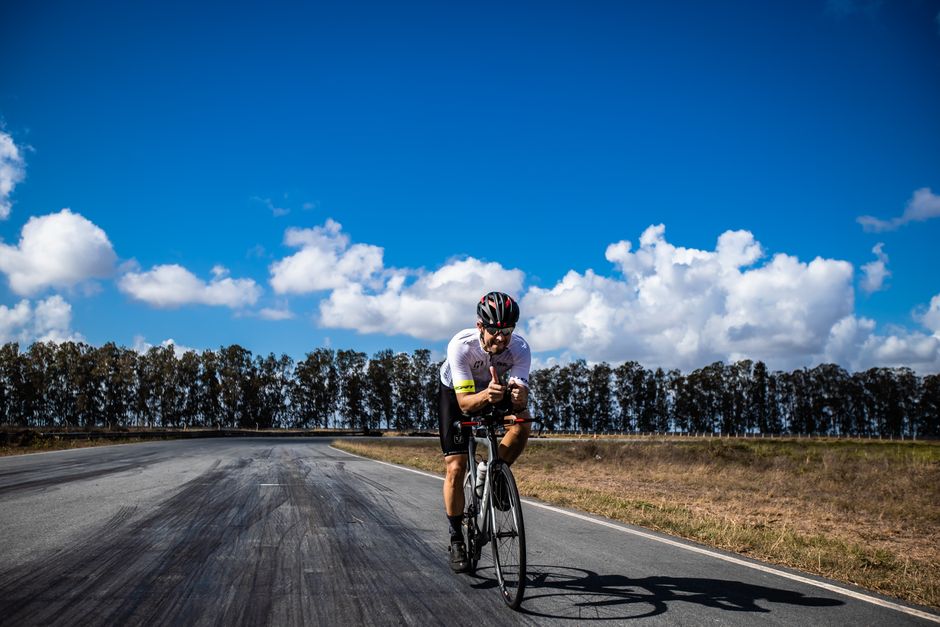
The common misconception is that hydration packs always keep you better hydrated. They do not. A pack makes drinking easy, but it can also make water warm, overload your back, and encourage riders to carry far more than they need. Bottles have the opposite profile: they are simple, cool quickly with ice, and easy to refill, but reaching for one takes your hand off the bars and limits total capacity.
After years of road, gravel, and mountain-bike rides, my rule is blunt: use bottles for short rides with regular refills, a pack for long hot routes with uncertain water access, and a hybrid setup when the ride crosses the two-hour mark. Distance and heat matter more than fashion.
How much water do you need per hour?
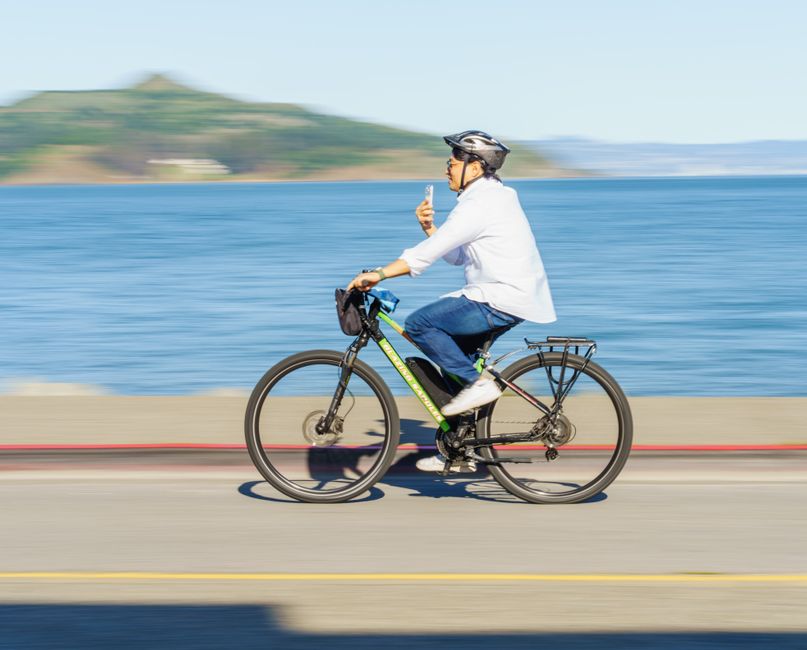
Most summer riders do not need to force down a fixed litre every hour. The better answer comes from your own sweat rate: weigh yourself before and after a one-hour ride, add the fluid you drank, subtract any urine weight if you measured it, and treat each kilogram lost as roughly one litre of body water. For a 75 kg rider who loses 0.7 kg and drinks 0.5 L, the starting rate is about 1.2 L per hour, which is high and calls for more testing rather than blind drinking.
Use a sweat-rate test
Ride for 60 minutes in similar heat to your usual route. Record starting weight, bottles consumed, and finishing weight. Most riders land near 400–800 mL per hour, but heavy sweaters in humid heat can exceed that range. My verdict: start near 500–700 mL per hour, then adjust from measured results, thirst, urine colour, and how you feel.
Match capacity to the refill gap
Multiply your planned hourly intake by the time until the next dependable refill, then add a small reserve. A 2.5-hour gap at 600 mL per hour calls for 1.5 L, not a three-litre pack by default. Sodium also matters on long sweaty rides; a drink providing roughly 300–600 mg of sodium per litre is a practical starting point for many riders. My verdict: pack for the refill gap, not for an imaginary worst-case ride.
Why heat changes the best hydration setup
Heat changes the decision because fluid does two jobs on a summer ride. It replaces water lost through sweat, and it helps your body move heat away from working muscles and skin. When the air is hot, a missed drink becomes a performance problem faster. Heart rate rises, perceived effort climbs, and the same hill feels harder even when your legs have not changed.
Hot water is a real failure mode
A reservoir inside a black pack can become unpleasantly warm after several hours in direct sun. The first sip may taste like plastic, and a warm drink does little to make you want to drink more. Bottles also heat up, but insulated bottles such as the CamelBak Podium Chill hold cold longer than a thin single-wall bottle. Start with frozen bottles when the route allows it, or place the reservoir in an insulated sleeve. My verdict: for short hot rides, cold bottles beat a large warm reservoir.
Cooling access can matter more than capacity
A pack solves the carrying problem, not the cooling problem. On a hot trail, I would rather carry 1.5 L in bottles and refill at a store with ice than carry 3 L of warm water for the entire day. On a remote route, the pack still wins because dehydration risk rises when a refill fails. Check the route for shaded stops, public fountains, shops, and water treatment needs before choosing the container. My verdict: choose the setup that gives you both enough fluid and a realistic way to cool or replace it.
Do not confuse thirst suppression with good hydration. Drinking too much plain water can leave a rider bloated and, during very long efforts, can dilute blood sodium. Small regular drinks work better than waiting until the mouth is dry and then emptying half a bottle.
Five mistakes that ruin summer hydration
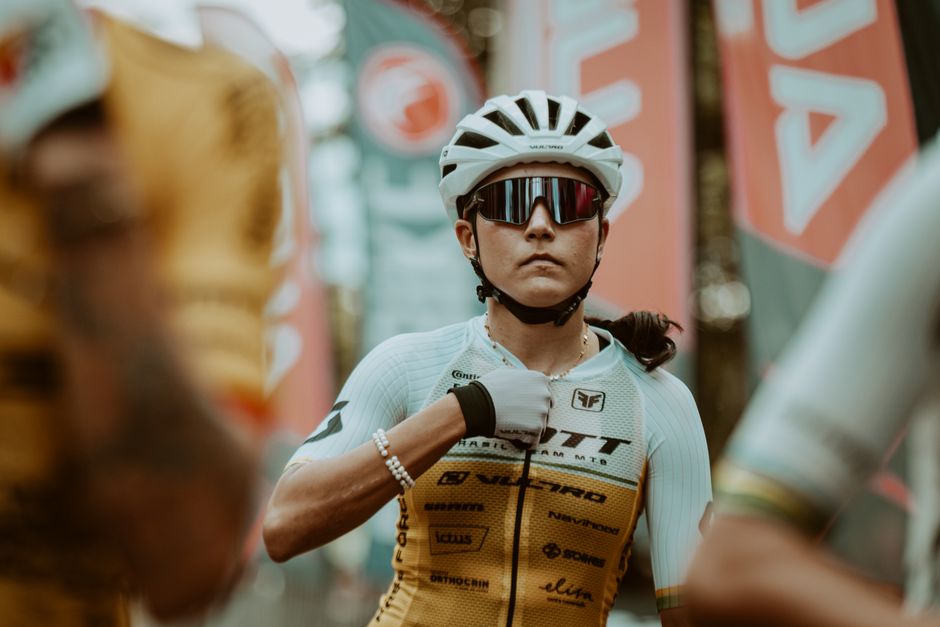
I see the same errors on group rides every summer. None require expensive gear. They come from choosing capacity by habit instead of route, heat, and sweat loss.
Mistakes I would avoid first
- Waiting until you feel thirsty. Take a few mouthfuls every 10–15 minutes during hot rides. Thirst is useful feedback, but it often arrives after fluid loss has already affected effort.
- Carrying too much water. A full 3 L pack adds roughly 3 kg before the pack itself. That weight is wasteful on a 75-minute ride with two open shops.
- Ignoring refill reliability. A map marker does not guarantee a working fountain. Check opening hours, bring a backup stop, and carry enough to reach the next confirmed source.
- Using only plain water for a long sweaty ride. For efforts beyond two hours in high heat, test a drink with carbohydrate and sodium instead of relying on water alone.
- Leaving the reservoir dirty. A damp bladder develops taste and odour quickly. Empty it after every ride, rinse the tube, and dry the reservoir fully with the opening held wide.
The simple fix
Before leaving, write down four numbers: ride time, hottest expected temperature, fluid needed per hour, and time to the next refill. That takes less than a minute and prevents most packing mistakes. My verdict: route planning improves hydration more than switching from one premium container to another.
My clear gear picks for bottles, packs, and hybrids
My strongest recommendation is two insulated bottles for most summer rides under two hours. They are lighter, easier to clean, and better at keeping water cold. I switch to a pack when the route is remote or the refill gap exceeds my bottle capacity. A hybrid setup wins for long hot rides that mix paved sections with rough trails.
Best bottle setup for short hot rides
The CamelBak Podium Chill 24 oz is a good fit for a standard cage and uses a double-wall design to slow warming. The Specialized Purist 26 oz offers a simple squeeze feel and a 739 mL capacity. The Fidlock Twist 600 holds 600 mL and uses a magnetic mounting system, which helps riders with cramped frames but gives up volume compared with a standard 750 mL bottle. My verdict: use two 700–750 mL insulated bottles when the frame has room and a refill sits within 90 minutes.
Best pack or hybrid for long heat
The CamelBak M.U.L.E. 12 is my pick for riders who need a full 3 L reservoir and extra food or layer storage. The Osprey Syncro 12 is the better choice for riders who hate a sweaty back because its 2.5 L reservoir and suspended back panel leave more airflow. For a mixed route, carry one 750 mL bottle with a 2 L reservoir; the bottle holds cold water for the first climb while the reservoir supplies the later miles. My verdict: choose the Osprey for ventilation, the M.U.L.E. for capacity, and the hybrid setup for the best balance.
Do not buy a hydration pack for a one-hour road loop just because it looks race-ready. Do not buy tiny bottles for a four-hour exposed ride because they fit the frame better. The useful gear is the gear that matches the refill gap you will actually face.
Final choice by distance and heat
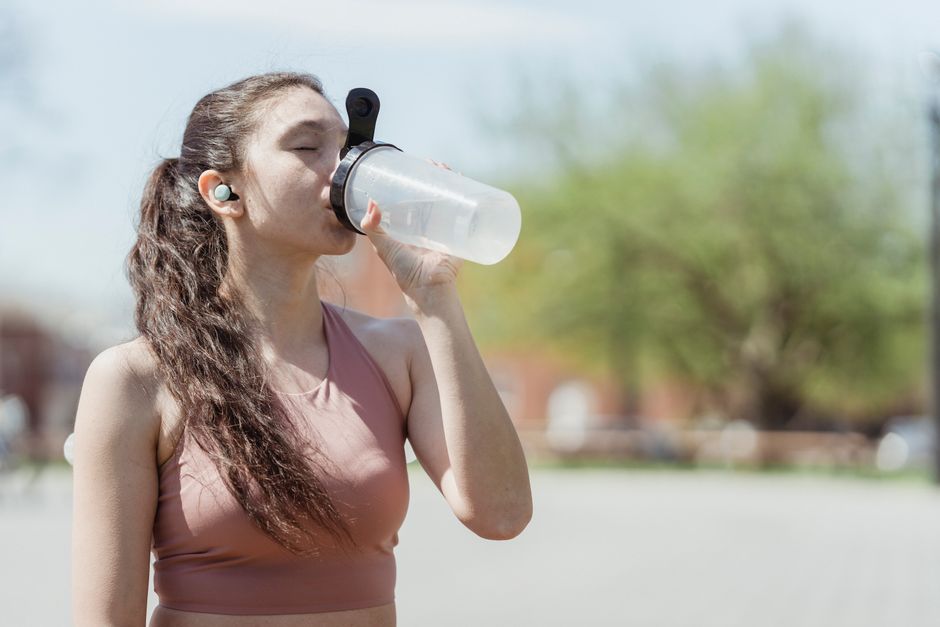
There is no prize for carrying the most water. The winning setup is the lightest one that covers the route, keeps you drinking, and leaves a safe reserve when the weather turns hotter than expected.
| Distance and conditions | Choose | Target setup | Verdict |
|---|---|---|---|
| Under 25 miles, below 24°C | One or two bottles | 600–1,500 mL | Bottles are the clear winner |
| 25–40 miles, 24–30°C | Two bottles | 1.2–1.5 L plus one refill | Use bottles if the stop is reliable |
| 40–60 miles, above 30°C | Hybrid | 750 mL bottle plus 1.5–2 L reservoir | Best balance of cold water and capacity |
| Remote ride over 2 hours | Hydration pack | 2–3 L, with extra electrolyte drink | Capacity and access matter most |
For most riders, the final answer is simple: bottles for short supported rides, a hybrid for long hot rides, and a hydration pack for remote routes with uncertain water. Measure your sweat rate once, check the refill gap, and let those numbers decide.
