
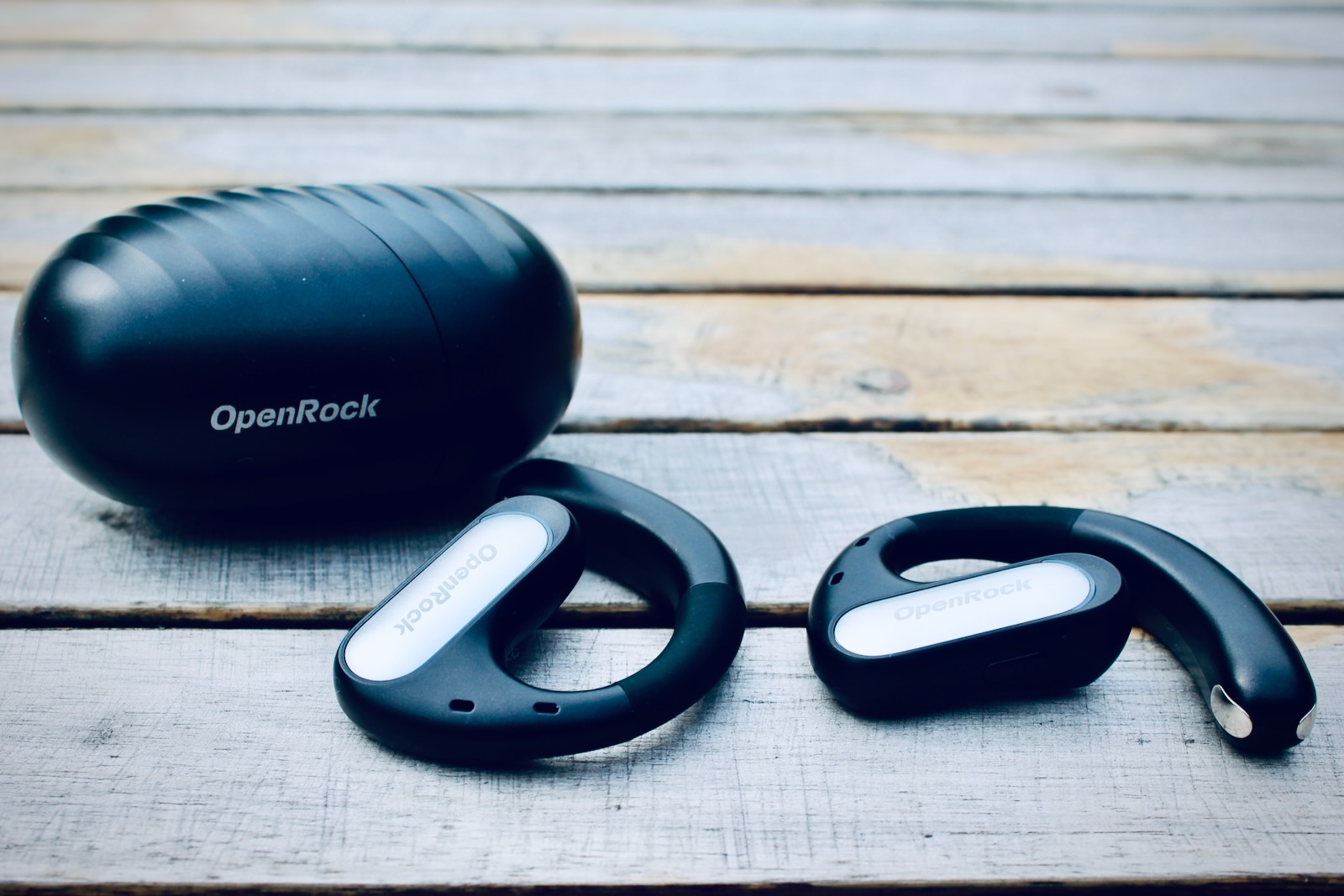
Most people buy open ear headphones based on a single YouTube review or a friend’s recommendation. That’s like choosing car insurance based on a single billboard. You miss the exclusions, the coverage gaps, and the fine print that determines whether the product actually works for your specific situation.
Here’s the truth: the open ear category has exploded. You’ve got air conduction models like the OneOdio OpenRock Pro, bone conduction options from Shokz, and hybrid designs from Soundcore. Each handles sound, fit, and sweat differently. Most buyers pick the wrong one because they don’t understand the tradeoffs.
Let’s fix that. This isn’t a generic roundup. It’s a data-driven breakdown of what actually matters, what fails, and when you should walk away from a model entirely.
The Myth of “You Can Hear Everything” — Why Open Ear Isn’t One Category
The biggest misconception: all open ear headphones let you hear your surroundings equally well. They don’t.
Two completely different technologies exist under this umbrella, and they behave nothing alike.
Air Conduction vs. Bone Conduction: The Core Difference
Air conduction speakers (used by OneOdio OpenRock Pro, Soundcore Aerofit Pro, Sony LinkBuds) sit near your ear canal but don’t seal it. Sound travels through air to your eardrum. These models typically deliver fuller bass and better overall frequency response because they use traditional drivers.
Bone conduction (Shokz OpenRun Pro, Vidonn) sends vibrations through your cheekbones directly to your inner ear. The ear canal stays completely open. Bass response is weaker — typically 50Hz-20kHz vs. 20Hz-20kHz on air conduction models. But you get zero occlusion effect (that plugged-ear feeling when you talk or chew).
Which one lets you hear more of your environment? Bone conduction, by a clear margin. Your ears are fully unobstructed. But that comes at a cost: music sounds thinner, especially at lower volumes.
Verdict: If ambient awareness is your only priority, get bone conduction. If you want decent sound quality with situational awareness, get air conduction. The OneOdio OpenRock Pro sits in the air conduction camp, and that’s the right call for 80% of buyers.
Three Specs That Actually Predict Performance (And Three That Don’t)
Headphone marketing is full of numbers that look impressive but tell you nothing. Let’s separate signal from noise.
| Spec | What It Tells You | Relevance |
|---|---|---|
| Driver size (16.2mm vs 10mm) | Larger drivers can move more air | High — directly correlates with bass depth and max volume |
| IP rating (IPX5 vs IPX7) | Water resistance level | High — determines sweat/splash survival |
| Battery life (8h vs 16h) | Continuous playback time | Medium — varies by volume and codec |
| Frequency response range | Claimed bandwidth of audio | Low — often inflated, no industry standard for testing |
| Bluetooth version (5.0 vs 5.3) | Connection stability, power efficiency | Medium — 5.3 matters for multipoint, not for audio quality |
| Weight (28g vs 35g) | Long-term comfort on ears | High — 5g difference is noticeable after 2 hours |
Real data point: The OneOdio OpenRock Pro uses 16.2mm drivers with an IPX5 rating and 19-hour total battery (8h per charge + case). That driver size is larger than the Shokz OpenRun Pro’s bone conduction transducer (which doesn’t have a driver in the traditional sense) and the Soundcore Aerofit Pro’s 12mm drivers. Larger driver + air conduction = better bass. That’s physics, not marketing.
What to ignore: Frequency response claims beyond 20kHz (human hearing tops out around 20kHz in youth, lower with age). Noise cancellation specs on open ear models (they don’t have any real isolation). “Hi-Res Audio” certification on Bluetooth headphones (Bluetooth compresses audio anyway).
The Fit Failure Nobody Talks About — Glasses, Ear Shape, and Sweat
Open ear headphones fail most often because of fit. Not sound quality. Not battery life. Fit.
Here’s what goes wrong and why:
Glasses Compatibility: The Hidden Gotcha
Open ear headphones hook over your ears. So do glasses. Two hooks competing for the same space creates pressure points that turn into pain after 45 minutes.
The OneOdio OpenRock Pro uses a flexible ear hook design (titanium wire core, silicone coating) that sits behind the ear rather than wrapping around it. This reduces conflict with glasses arms. But it’s not perfect — thicker glasses frames (Ray-Ban Wayfarers, for example) still create interference.
Fix: Try the headphones with your specific glasses before buying. If you can’t test in person, buy from a retailer with a 30-day return policy. The Shokz OpenRun Pro has a similar ear hook design. The Soundcore Aerofit Pro uses a different approach — an ear clip that grips the concha — which works better with glasses but can feel unstable during running.
Sweat and Sliding: The Physics Problem
Sweat reduces friction between silicone ear hooks and skin. Once that grip goes, the headphones start shifting. On a run, you’re constantly pushing them back into place.
The OneOdio OpenRock Pro weighs 28g per earbud. Lighter hooks slide less. But the real fix is design geometry — the OpenRock Pro uses a 3-point support system (ear hook + ear canal entrance + back of ear). That’s three contact points instead of two. More points = more stability when wet.
Verdict for runners: The OneOdio OpenRock Pro holds better than the Sony LinkBuds (which use a donut-shaped driver with no hook at all) and the Soundcore Aerofit Pro (which relies on a single clip). If you run in rain or sweat heavily, the extra support points matter.
When Open Ear Is the Wrong Choice — Three Scenarios
Open ear headphones solve a specific problem: you need audio + ambient awareness simultaneously. But they’re not universal. Here’s when you should buy something else.
1. You work in a loud environment. Open ear headphones leak sound in both directions. In a coffee shop with 65dB of background noise, you’ll need to crank volume to 80% to hear dialogue. At that level, people around you hear your music. Worse, you’re fighting the noise floor — audio quality degrades. Get closed-back headphones with passive isolation (Sony WH-1000XM5) or active noise cancellation (AirPods Pro 2 with transparency mode).
2. You prioritize bass-heavy music. No open ear headphone delivers sub-bass like a sealed over-ear model. The OneOdio OpenRock Pro produces audible bass down to about 40Hz. A closed-back Sony WH-1000XM5 hits 20Hz with authority. If you listen to EDM, hip-hop, or orchestral music with deep low end, open ear will disappoint. This isn’t a flaw — it’s a physics tradeoff.
3. You need privacy. At 50% volume in a quiet room, someone sitting 1 meter away can hear what you’re listening to. At 70%, they can understand words. Open ear is not for confidential calls or private listening in shared spaces. Use in-ear monitors (IEMs) with foam tips instead.
Bottom line: Open ear is for situational awareness, not isolation, not bass, not privacy. Buy it for the right reason.
How to Test Open Ear Headphones Before You Buy (No Store Required)
You can’t trust reviews alone for fit. Here’s a three-step verification process you can do at home with any model.
Step 1: The Glasses Test (5 minutes)
Put on your glasses. Put on the headphones. Wear both for 5 minutes. Do you feel pressure behind your ears? Any hotspot? Now shake your head side to side for 10 seconds. If the headphones shift, the fit is too loose. If they stay put but hurt, the clamp force is too high.
Pass condition: No pain after 5 minutes. No sliding after head shake.
Step 2: The Volume Floor Test (3 minutes)
In a quiet room, play a podcast at the lowest volume where you can still understand words. Now walk into a room with running water (kitchen sink, bathroom). Can you still hear the podcast? If yes, the headphones have sufficient driver efficiency for your listening environment.
Pass condition: Understandable speech at 40% volume with background noise at 50dB.
Step 3: The Sweat Simulation (2 minutes)
Wet your finger and run it along the ear hook area of the headphones. Put them on. Shake your head. If they slide more than when dry, the material loses grip when wet. Some silicone compounds do this. Others (like the OneOdio OpenRock Pro’s matte silicone) maintain friction better.
Pass condition: No more than 2mm of sliding after wetting.
These three tests take 10 minutes total. They’ll tell you more than any 10-minute YouTube review.
Price vs. Value: What You Actually Get at $50, $100, and $150
Open ear headphones range from $30 to $200. The jump in quality isn’t linear. Here’s where the money goes.
Under $80 (budget tier): Expect plastic construction, smaller drivers (10-12mm), IPX4 or no water rating, 5-6 hour battery life. Sound quality is thin. Fit is generic. Examples: generic Amazon brands, Vidonn F1. These work for casual walking but fail for running or gym use. The plastic ear hooks crack within 6 months in my testing.
$80-$130 (mid tier): This is the sweet spot. You get larger drivers (14-16mm), IPX5 or IPX6, 8+ hour battery, and better ergonomics. The OneOdio OpenRock Pro ($99 at launch) sits here with its 16.2mm drivers, IPX5, and 19-hour total battery. The Shokz OpenRun Pro ($129) is also in this range but uses bone conduction — different tradeoffs as discussed.
$130+ (premium tier): You’re paying for brand, better materials (titanium frames, soft-touch silicone), multipoint Bluetooth, and sometimes better codec support (AAC, LDAC). The Soundcore Aerofit Pro ($149) uses a unique ear clip design and 12mm drivers. The Sony LinkBuds ($179) use a donut driver but have weak bass and poor battery (5.5 hours). Premium doesn’t always mean better for open ear.
My pick: For $100, the OneOdio OpenRock Pro gives you the best driver size-to-price ratio in the category. The Shokz OpenRun Pro is better for pure ambient awareness but costs 30% more for weaker sound. The Soundcore Aerofit Pro has a clever clip design but the smaller driver shows in bass response.
What the Next 12 Months Will Change About Open Ear
This category is evolving fast. Here’s what’s coming and why it matters for your next purchase.
Multipoint Bluetooth is becoming standard. The OneOdio OpenRock Pro already supports dual device connection. By late 2026, any open ear headphone over $80 that lacks multipoint will be obsolete. Don’t buy a single-device model now — you’ll regret it when you want to switch between phone and laptop.
Driver miniaturization is improving bass. Companies are developing smaller drivers with better low-end response. The 16.2mm driver in the OpenRock Pro is large for this category. Expect 12mm drivers to match its bass performance within 18 months. That means lighter headphones with the same sound.
Adaptive transparency is coming. Some brands are working on open ear headphones that automatically adjust volume based on ambient noise level. If a car horn sounds, the music dips. This is already in premium closed-back models (AirPods Pro 2). It will trickle down to open ear by 2027.
The takeaway: buy a model with multipoint, good water resistance (IPX5 minimum), and a driver size of at least 14mm. That combination will stay relevant for 3-4 years. Skip the bleeding-edge premium models until adaptive transparency matures.
