
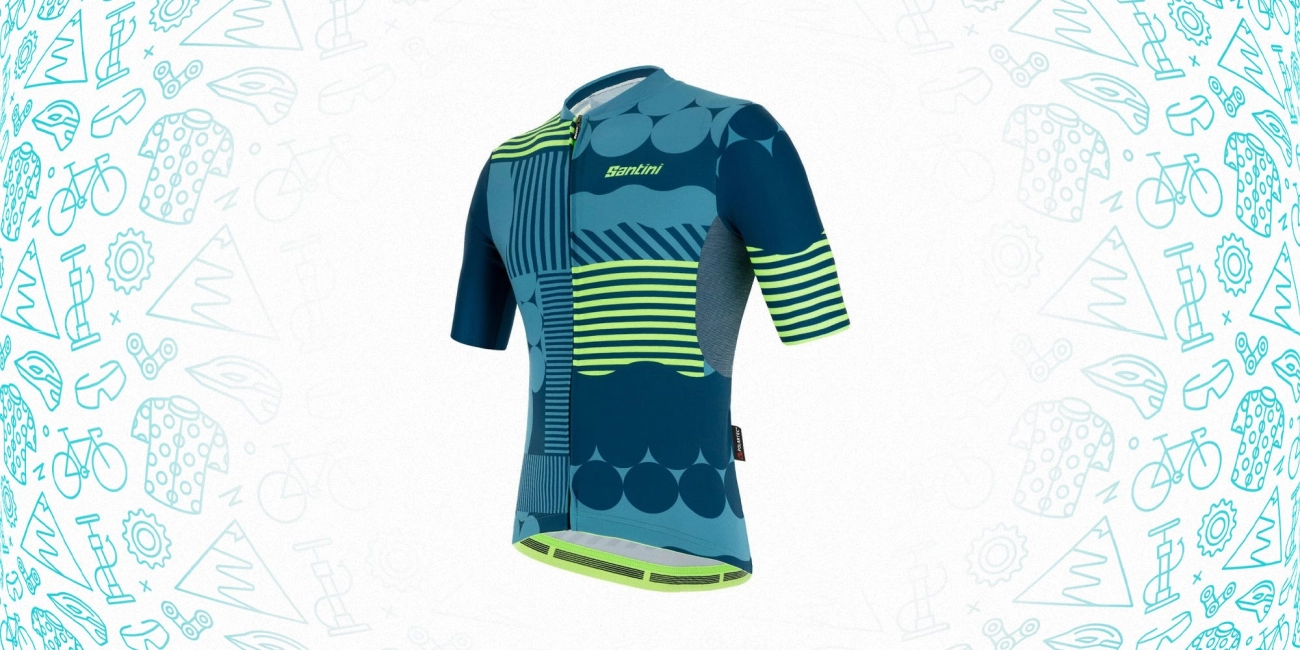
Prioritize the Right Fabric and Weave
Choosing the right fabric is your first step to long-ride comfort. Not all cycling jerseys are created equal, especially once you clock 100+ km on hot days.
Summer vs 3-Season vs Cold-Weather Fabrics
- Summer jerseys focus on maximum breathability and moisture wicking. Lightweight polyesters with open weaves keep sweat moving and dry you fast.
- 3-season jerseys balance warmth and ventilation, usually a bit thicker with tighter weaves to handle cool temps without overheating.
- Cold-weather options use insulating fabrics like fleece-lined polyester or merino blends to trap heat when temps drop below 10°C.
Why High-End Polyester Blends Beat Merino on Hot Rides
Merino wool is great for odor control and moderate temps, but on long, hot rides it can\’t outpace synthetic polyester blends engineered for superior moisture management. Synthetics dry faster, stretch better, and weigh less—basic but crucial benefits when you’re sweating nonstop.
Mechanical Stretch vs Elastane
Look for jerseys boasting mechanical stretch fabrics—they use clever weaves or knits to provide flexibility without relying heavily on elastane (spandex). This means better breathability and durability. Jerseys overloaded with elastane can squeeze too tight and lose their shape after repeated rides.
UPF Rating and Anti-Odor Treatments
Good sun protection isn’t optional. Many jerseys now come with a UPF 30+ or 50+ rating, shielding your skin from harmful UV rays. Also, anti-odor treatments like silver ion or Polygiene keep you smelling fresh through grueling centuries.
High-Tech Fabrics Explained
- Coldblack® technology reflects sunlight and resists heat absorption—perfect if you roast easily.
- Polartec Delta is a quick-drying, moisture-wicking fabric with excellent ventilation. Ideal for managing sweat without chill.
- Italian “microfiber” fabrics feel unbelievably soft yet are tough and lightweight—these are premium blends that perform in every season.
In my experience, investing in a jersey with the right fabric tech is like upgrading your bike’s wheels—small upfront cost, big performance return. It keeps you cooler, drier, and fresher, ride after ride.
Get the Fit Right — Neither Race Nor Relaxed
When choosing a long distance cycling jersey, fit is everything—but not in the way you might think. The pro race fit looks great but often feels too tight and restrictive after 6+ hours on the road, which can cause discomfort and restrict movement. Instead, aim for the “endurance” or “club” fit. This sweet spot offers a close-to-the-body shape that still allows freedom to breathe and move comfortably over extended rides.
Pay attention to sleeve length and grippers, too. Sleeves that are too short can ride up, causing irritation, while overly tight silicon or elastic grippers can pinch after hours of wear. A good fit keeps sleeves snug without cutting off circulation or sliding around.
For women, fit matters even more. Women-specific jerseys often offer better tailoring around the chest and waist, improving comfort and avoiding excess fabric that bunches or rubs. Unisex jerseys sometimes work for women but can feel boxy or oversized in key areas.
In short: skip the all-out race cut and avoid baggy “club” jerseys that flap in the wind. Find a balanced fit that feels good from the first hour through to the last mile.
For more insights on fit and performance, check out the detailed endurance jersey review which highlights some great examples of club-fit options perfect for long rides.
Flatlock or Seamless? Seam Placement Is Everything
When choosing a long distance cycling jersey, seam construction and placement can make or break your comfort. The key spots where seams often cause chafing are the collarbone, underarm, and lower back — think of this as your personal “chafing map.” Jerseys with poorly placed or bulky seams in these areas will rub painfully after hours in the saddle.
Flatlock seams are a solid middle ground. They lie flat against the skin, reducing irritation better than traditional seams, but still add some structure. On the other hand, seamless or bonded hems and laser-cut sleeves take comfort up a notch by minimizing pressure points and eliminating raw edges. These clean finishes are worth the extra investment when you’re riding 6+ hours and every bit of friction counts.
Unfortunately, many budget jerseys skip these details, cutting corners with raised seams and poorly finished sleeve edges that leave you raw and distracted. For example, some popular entry-level jerseys don’t use flatlock seams in critical areas like underarms or collarbones, making them a no-go for endurance road cycling kits.
Choosing a jersey with smart seam placement and advanced construction methods is key to avoiding irritation on long rides and keeping your focus on the road ahead. For cold-weather riders, check out detailed fabric tips that also include seam recommendations in our guide to cold-weather kit.
Breathability and Moisture Management Tested in the Real World
When you\’re cycling for hours, how well your jersey breathes and manages moisture can make or break your comfort. Look for real ventilation features like mesh side panels, underarm gussets, and perforated back panels — these help sweat evaporate faster and keep your core temperature down on long rides.
Beware of marketing fluff claiming \”ultra-breathable\” fabrics without visible ventilation zones. True breathability means engineered airflow, not just a thin material. Hydrophilic finishes pull moisture away from your skin to the outer fabric where it can evaporate, while hydrophobic coatings repel water and can help keep you dry in light rain but may trap sweat inside.
Choosing a cycling jersey with tested breathability and effective moisture-wicking is critical for a breathable summer cycling jersey that performs well on long-distance cycling rides. If you prioritize practical ventilation features over hype, you’re more likely to stay comfortable rather than soaked and sticky after 100+ miles.
For a jersey that nails airflow and moisture control, check out our detailed hands-on reviews like the Moon Sport Helix Max, where breathability was tested under tough conditions.
Pocket Design and Load-Bearing for 8+ Hour Days
For long distance cycling jersey comfort, pocket design is crucial. A minimum of three rear pockets is standard, but if you’re gearing up for rides over eight hours, look for jerseys with four or even five pockets. This extra storage lets you organize snacks, tools, and layers without fumbling.
When it comes to valuables, a zippered pocket is a must-have. The ideal placement is slightly higher and centered, keeping your keys, phone, or wallet secure and easy to reach without interfering with your riding position.
Pocket grips matter more than most riders realize: silicone grippers generally hold up better under heavy loads than elastic ones, preventing sagging and keeping your items stable throughout the ride. This is especially important on rough terrain or longer gran fondos where constant shifting in pockets quickly gets annoying.
If you want to see practical pocket designs and how they hold up on the road, check out in-depth gear reviews like the detailed look at the Metmo Pocket Driver, which highlights smart storage solutions tailored for long rides.
Collar and Zipper Design for All-Day Comfort
When it comes to long rides, collar and zipper design can make or break your comfort. Low-profile collars are great if you want minimal bulk around the neck, reducing sweat buildup and irritation. Tall collars offer extra protection from wind and sun but can feel restrictive after hours in the saddle.
Full-zip jerseys are usually best for very long or hot rides because they let you vent easily and adjust your temperature on the go. Half-zips can work but often don’t offer the same level of airflow when things heat up. Look for jerseys with smooth zipper pullers and well-designed zipper garages to stop rubbing or pinching on your neck, especially when you’re riding 6+ hours.
Choosing a cycling jersey with thoughtful collar and zipper features is essential for preventing chafing and keeping you comfortable mile after mile. For more insights into durable long-ride cycling apparel, check out reviews like those on how various components perform over extended rides.
Sleeve Length and Sun Protection
Choosing the right sleeve length can make a huge difference on long rides, especially when you’re splitting time between sun and shade. For 50–50 rides, short sleeves offer better cooling and freedom of movement, but long sleeves provide consistent protection from UV rays and reduce sunburn risk. If you’re riding under strong sun for hours, a UPF 50+ cycling jersey is ideal to keep your skin safe without needing sunscreen reapplication.
When it comes to sleeve design, raglan sleeves are generally more comfortable on long-distance cycling jerseys because they follow the natural shoulder shape and reduce chafing during pedaling. Set-in sleeves, while common, can create pressure points or restrict movement, especially if the fit is tight.
Keep in mind, many jerseys claim UPF 50+ protection, but not all fabrics deliver on this promise. Look for jerseys with certified UPF ratings, as treatments can wear off with washing, so proper care is essential to maintain sun protection.
For more tips on gear comfort and care, check out this insightful review of Crankbrothers Double Shot 2, which highlights the importance of well-thought-out design during long rides.
Reflective Details and Low-Light Visibility
When you’re tackling long rides that start before sunrise or finish at dusk, reflective details can be a lifesaver. But not all reflective elements are created equal. Look for jerseys with well-placed reflective strips or logos on the back, sleeves, and shoulders—these areas catch light from car headlights and street lamps best.
Key points for effective low-light visibility:
- Strategic placement: Reflective patches on the upper back, outer sleeves, and collar are most visible to drivers.
- Brightness matters: Some reflective materials pop more in the dark; avoid small or faint logos that don’t enhance visibility.
- Integrated designs: Jerseys with laser-cut reflective hems or piping provide safe, no-bulk visibility without chafing.
- High-visibility colors: Pair reflective details with bright base colors like neon yellow or orange for maximum dawn/dusk safety.
For those doing centuries or gran fondos that start early or run late, investing in a cycling jersey with quality reflective features is non-negotiable. It’s a simple way to stay safer without adding extra layers or gear to your kit.
If you want to explore durability, fit, or fabric details on jerseys that combine comfort and safety, I recommend checking my in-depth reviews such as the Bellroy All-Conditions cycling gear for balanced performance on long rides.
Durability — Will It Survive 10,000 km?
When you’re logging serious miles, durability isn’t a luxury—it’s a must. Long distance cycling jerseys face constant abrasion, especially on saddle contact zones where fabric rubs against the bike or your shorts. Look for jerseys with reinforced panels or tougher weaves in these areas to prevent premature wear.
Pilling and fabric breakdown are other common issues after repeated washing. High-quality polyester blends with tightly woven fibers tend to hold up better over time compared to cheaper materials that fuzz or thin quickly. Flatlock seams not only prevent chafing but also add to the jersey’s longevity by reducing stress points.
Brands known for endurance road cycling kits tend to invest in materials and construction that survive 10,000 km or more. Staying on top of care instructions—washing inside out, avoiding fabric softeners, and air drying—also extends the life of your jersey.
For bikepackers and multi-day riders, durability is critical. Pairing durable jerseys with the right gear, as discussed in comprehensive bikepacking tips and wild camping guides, ensures your clothing keeps pace with your adventures without falling apart.
Price vs Performance — When to Spend and When to Save
Finding the right cycling jersey for long-distance rides often comes down to balancing price and performance. For most riders, the $60–$90 sweet spot hits the mark: jerseys in this range generally offer solid moisture-wicking fabrics, decent fit, and basic features without breaking the bank.
If you’re tackling ultra rides or gran fondos beyond 6+ hours, spending $150+ on premium jerseys can make a real difference. Expect better mechanical stretch, advanced ventilation panels, high-end flatlock or bonded seams, and durable UV protection that lasts ride after ride. These upgrades reduce fatigue and improve comfort significantly over long days in the saddle.
When shopping for the best value picks in 2026–2026, look for brands that combine quality fabrics with smart design—especially good pocket layouts and durable construction. That way, you save money while still getting reliable long-distance cycling jerseys built to last.
For a detailed breakdown of performance gear, including expertly tested nutrition bars and how they complement your ride, check out this review of Veloforte nutrition bars for a complete long-ride kit.
Bonus Long-Ride Hacks
Base Layer Pairing Rules
Choosing the right base layer can make or break your comfort on long rides. For hot days, go with a lightweight, moisture-wicking base that pulls sweat away from your skin quickly. In cooler weather, opt for a slightly thicker, insulating base layer that still breathes well. Avoid cotton—it traps moisture and chills you. Pairing your jersey with the right base layer enhances breathability and prevents chafing, especially on rides over 6 hours.
Jersey Choice: Bikepacking vs Gravel vs Touring
Different riding styles demand different jersey features:
- Bikepacking jerseys often need extra pockets and durable, abrasion-resistant fabrics since you carry more gear and face variable conditions. Check out the review of a popular bikepacking handlebar bag to see gear integration ideas.
- Gravel jerseys favor breathable fabrics and relaxed fits for better airflow on longer, slower rides over mixed terrain.
- Touring jerseys prioritize comfort, durability, and good pocket design for carrying essentials all day. Jerseys designed for ultra-distance rides typically focus on multiple pockets and reliable sun protection.
Laundry and Care Tips to Maintain Performance
Your jersey’s performance depends heavily on how you care for it:
- Always wash in cold water and avoid fabric softeners; they clog moisture-wicking fabrics.
- Turn your jersey inside out to protect prints and reduce pilling.
- Air-dry your jerseys instead of using a dryer—heat damages technical fabrics and elastic.
- Avoid prolonged exposure to sunlight when drying to preserve UPF qualities and colours.
- Regular, proper care can extend your jersey’s lifespan well beyond 10,000 km.
Applying these long-ride hacks keeps you comfortable and your gear working optimally for every ride—whether you’re tackling a gran fondo, hitting gravel, or setting out on a multi-day tour.
