
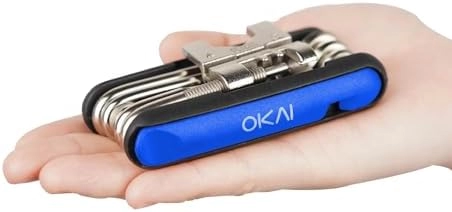
Picture this: you’re 20 kilometers from home, your chain just snapped or that cleat bolt is loose, and all you have is your wits and your gear. Multi-tools every cyclist needs for on-the-go repairs aren’t just nice-to-haves—they’re your lifeline. Whether you’re a rookie building your first kit, a daily commuter who can’t afford downtime, or a seasoned rider hunting for that perfect all-in-one, having the right multi-tool means the difference between a quick fix and a long, frustrating hike. In 2025, a truly “roadworthy” multi-tool handles everything from flat fixes to chain tweaks, all without turning your ride into a mobile toolbox. Stick around—by the end, you’ll know exactly which tool belongs in your saddle bag or jersey pocket to keep you rolling no matter what the trail throws at you.
How to Choose the Perfect Cycling Multi-Tool
Choosing the right bike multi tool with chain breaker can feel overwhelming—you want something light but functional, compact but thorough. Here’s the real talk on picking a multi-tool that won’t fail you on the road or trail.
Weight vs Functionality
There’s always a trade-off between weight and tool count. More tools mean more options, but also more bulk. If you ride fast and light, focus on essentials. For gravel or MTB, you might want extra bits and a stronger chain tool.
Must-Have Tools
At a minimum, your multi-tool should include:
- Hex wrenches 2–8 mm: Covers most bolts on frame, brakes, and accessories.
- T25 Torx: Essential for disc brakes and many modern components.
- Chain tool: The make-or-break feature; low-quality chain breakers can ruin your day.
- Spoke wrenches: For tuning wheels on the go.
- Screwdrivers: Both flathead and Phillips are often needed.
- Tire levers: Many multi-tools now include these, but separate levers are still recommended.
Chain Tool Quality
Don’t skimp here. A flimsy chain breaker means incomplete breaks or pin damage. Look for tools with forged steel pins and solid construction. Good chain tools work smoothly even with dirty or stiff chains.
Materials Matter: Forged Steel vs Stamped
- Forged steel bits offer durability and last longer in muddy, rocky conditions.
- Cheap stamped bits may wear down quickly, stripping screws or bolts.
If you want reliability, prioritize forged steel.
Size & Ergonomics
Big multi-tools can be awkward, especially with gloves on. Choose tools with:
- Comfortable grips for easy leverage.
- Rounded edges to avoid hand fatigue.
- Compact size for easy storage but enough bulk to turn bolts without pain.
Bonus Tools That Actually Help
Not just gimmicks—these extras can save your ride:
- Valve core tool: For tubeless tire maintenance on the fly.
- Mavic spoke holder: Helps keep spokes steady when tightening.
- Disc pad spreader: Pushes caliper pistons back for brake servicing.
Price Tiers Explained
| Price Range | What You Get | Who It’s For |
|---|---|---|
| $20–$40 | Basic tools, decent chain breaker | Casual riders and commuters |
| $40–$70 | More tool options, better build | Regular riders, gravel bikes |
| $70+ | Premium materials, precision fit | Pros, bikepackers, enthusiasts |
Invest smartly: pay more for chain tools and hex sizes you use often. Budget for comfort and durability too—your hands will thank you.
Choosing the right multi-tool is about balancing what you carry with what you’re fixing. Nail the essentials and invest where it counts—and you’ll be ready to tackle roadside repairs like a pro.
The 11 Best Cycling Multi-Tools for 2026 (Ranked)
Here’s a quick rundown of the top multi-tools every cyclist should consider in 2026, covering all budgets and styles.
- Crankbrothers M19 – Often called the gold standard, it’s packed with tools, super durable, and handles everything from hex sizes 2–8 mm to a solid chain tool.
- Topeak Mini PT30 – The most complete pro-level tool, with a wide range of bit sizes including Torx T25, plus a high-quality chain breaker and tire levers.
- Lezyne RAP II (various sizes) – Best modular system on the market, letting you swap out tools depending on your ride—great for riders who want customization.
- Park Tool MT-40 – Indestructible shop-quality tool designed for tough roadside repairs; if you want something that won’t quit, this is it.
- Silca T-Ratchet + Ti-Torque Kit – Premium, lightweight, and precise, perfect for riders who want top-end quality without excess bulk. Also known as the “Silca Italian army knife.”
- OneUp EDC Tool System (V2 or Lite) – Smartly hidden inside the steerer tube, keeping your cockpit clean while having everything on hand for on-the-go fixes.
- Blackburn Tradesman – Comes with a chain tool and disc pad spreader, making it a solid choice for riders who need to handle brake repairs as well.
- Fabric Eight-in-One – The ultra-compact budget king, lightweight and small but still covers essential hex sizes and screws.
- Specialized SWAT EMT Cage Mount Tool – Discreet and integrated with your bottle cage for super easy access during rides.
- Wolf Tooth 8-Bit Pack Pliers – Probably the most innovative new design, combining pliers with a full multi-tool set for versatility.
- Fix It Sticks Replaceable Edition – Made for gram counters and bikepackers who want a modular, lightweight toolset that can evolve with their needs.
For a detailed breakdown and comparison of these options, you can check a solid pro bike tool review here, which highlights pros and cons based on real ride experience. Whether you want the best value cycling multi-tool or a high-end precision setup, this list has you covered.
Budget vs Mid-Range vs Premium – Which Should You Buy?
Choosing the right cycling multi-tool depends on your budget, riding style, and how often you need to make repairs on the road. Here’s a quick breakdown to help you decide:
| Tier | Weight | Tool Count | Chain Tool Quality | Warranty | Price Range |
|---|---|---|---|---|---|
| Budget ($20–$40) | Light to Moderate | 6–9 tools | Basic, sometimes weak | 1 year typical | Great for beginners, casual riders |
| Mid-Range ($40–$70) | Moderate | 10–15 tools | Reliable and durable | 2+ years | Best balance of function and durability |
| Premium ($70+) | Lightweight | 15+ tools, modular | Professional-grade | Lifetime or extended | For frequent riders & serious bikepackers |
When to Save Money
If you mostly ride locally or just want a simple fix-it tool for occasional roadside repairs, a budget multi-tool with the essentials (hex sizes, chain tool, spoke wrench) is fine. It’s lightweight and won’t break the bank. Just watch for chain tool durability – it’s often the make-or-break component in cheaper sets.
When to Splurge
If you’re a frequent cyclist, ride long distances, or bikepack regularly, investing in a mid-range or premium multi-tool pays off. You get better materials (forged steel bits vs stamped), more tool options, and improved ergonomics that work gloveless. Premium tools like the Silca T-Ratchet or the Crankbrothers M19 offer shop-quality performance on the trail with innovative features that last years. For a detailed look at the Crankbrothers line, check out this expert review of the Crankbrothers Double Shot 2.
In short, pick a multi-tool that matches your riding needs but don’t skimp on chain tool quality if you want reliable performance. Sometimes spending a bit more upfront avoids frustration and costly roadside failures later.
Essential Tools Your Multi-Tool Can’t Replace (Mini “Complete Kit” Checklist)
No matter how good your multi-tool is, some essentials you just can’t leave behind if you want to be fully ready for roadside repairs.
Must-Have Extras Outside Your Multi-Tool:
- Tire levers: Most multi-tools include slim ones, but dedicated tire levers are sturdier and make changing tubes or fixing tubeless tires way easier. For tubeless fans, I recommend checking out reliable tire lever guides like this maintenance tips tubeless bike.
- Patch kit: For quick fixes when a spare tube isn’t enough or you want to pack light.
- Mini-pump or CO2 inflator: Both have their pros. CO2 inflators are fast and compact, but mini-pumps never run out of gas.
- Spare tube: Always carry a fresh inner tube matching your tire size.
- Master link or chain quick link: Helps you fix a broken chain without complicated tools.
Staying Lightweight Without Sacrificing Self-Rescue Ability
Pack only what you really need but don’t skimp on these basics. It’s tempting to go ultra-light, but going too minimal can leave you stranded. A good rule of thumb:
- Combine a compact, high-quality multi-tool with proper tire levers and a mini-pump/CO2.
- Add a patch kit and spare tube to cover most roadside troubles.
- Include a master link for chain repairs.
This simple kit keeps your weight manageable while ensuring you’re 100% capable of fixing almost anything on the road or trail.
Maintenance Tips to Make Your Multi-Tool Last Forever
Keeping your cycling multi-tool in top shape ensures it’s ready when you need it most. Here are some simple maintenance tips to extend its life:
-
Clean after muddy rides: Dirt and grime can gunk up moving parts, especially the chain tool. Wipe down your multi-tool with a damp cloth and mild soap if needed. Avoid soaking it, as excess water can cause rust.
-
Bit replacement options: Over time, screwdriver bits and hex keys wear down. Many quality tools offer replaceable bits—invest in spares or a compatible bit set so you’re never stuck with stripped or broken tools.
-
Lubricate the chain breaker pin: The chain tool is often the make-or-break part of a multi-tool. Keep the pin smooth by applying a small drop of light bike lubricant regularly. This helps prevent corrosion and keeps chain removal effortless.
Simple upkeep like this can make your multi-tool as reliable on mile 1,000 as it was out of the box. For more tips on packing smart for long rides, check out these bikepacking tips for lightweight bicycle setups.
Frequently Asked Questions About Cycling Multi-Tools
Can a multi-tool fully replace a home tool kit?
No, a cycling multi-tool is designed for on-the-go repairs and emergencies, not full bike maintenance. It covers most roadside fixes, but you\’ll still need a proper home tool kit for bigger jobs like headset overhauls or wheel truing.
Are integrated chain tools actually strong enough?
Yes, but quality varies. The best integrated chain tools, like those on the Crankbrothers M19 or Topeak Mini PT30, hold up well under stress. Cheaper or smaller models might struggle with thicker chains or frequent use.
What’s the lightest multi-tool with a reliable chain breaker?
For riders chasing weight savings, options like the Silca T-Ratchet + Ti-Torque Kit or Fix It Sticks Replaceable Edition pack lightweight materials without sacrificing chain breaker strength. These balance durability with minimal weight.
Hex 2.5 mm or 9 mm – which is more important?
Hex 2.5 mm is often more critical for small adjustments on derailleurs and brake levers, while 9 mm is rarely needed on modern bikes. Most multi-tools include hex sizes from 2 mm to 8 mm, covering the essentials.
Best multi-tool for gravel vs road vs MTB?
- Gravel: Prioritize modular, versatile tools like the Lezyne RAP II or the OneUp EDC Tool System—especially those with good chain breakers and spoke wrenches.
- Road: Lightweight, compact tools like the Fabric Eight-in-One or Silca Italian Army Knife work great for minimizing pack size while covering basics.
- MTB: Rugged tools with strong chain breakers and extra bits like the Park Tool MT-40 or Blackburn Tradesman stand up to rough conditions and diverse repairs.
For more detailed gravel bike gear insights, check out this in-depth Repente Artax GL review. It includes tips on what multi-tools pair well with gravel setups.
