
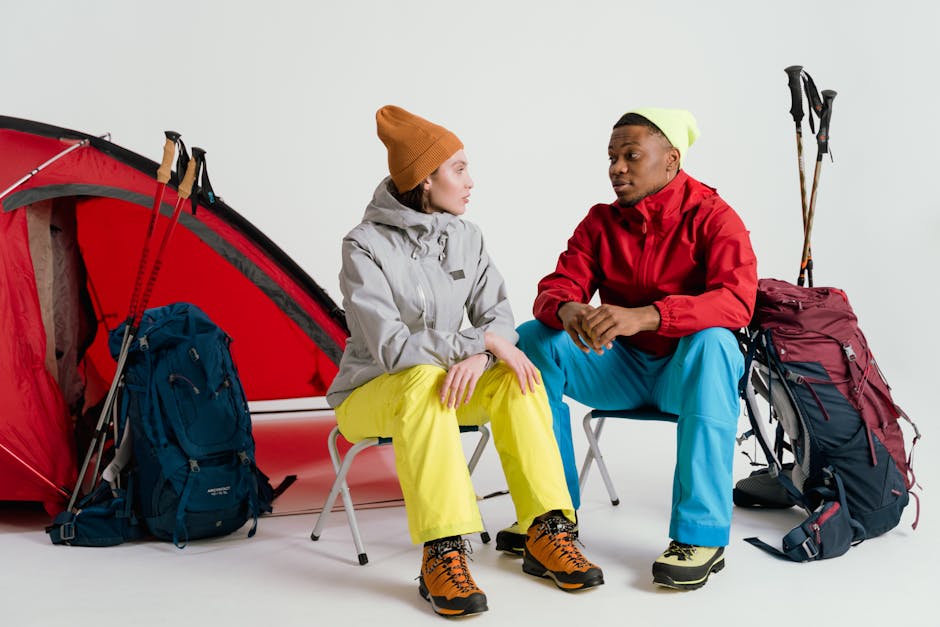
You’ve finally committed. That multi-day hike through the mountains, the quiet weekend camping trip, or maybe a challenging paddle down a remote river. The excitement builds. Then comes the gear list. A quick search reveals hundreds of backpacks, dozens of tent brands, and sleeping bags rated for temperatures you didn’t even know existed. It’s overwhelming. How do you sort through the marketing hype and pick equipment that actually performs when it matters?
I spent a weekend digging into what truly makes outdoor adventure gear reliable, comfortable, and safe. My goal: cut through the noise and give you a clear path to choosing the right kit for your next excursion, avoiding common mistakes, and understanding where to spend your money wisely.
Choosing the Right Backpack: Capacity, Fit, and Frame
Your backpack is more than just a bag; it’s your mobile home on the trail. Getting this wrong impacts comfort, endurance, and even safety. The biggest mistake people make is buying based on looks or price alone, without understanding the fundamentals of fit and purpose.
First, consider capacity. This is measured in liters. For a day hike, 15-30 liters is usually plenty. A weekend trip might need 30-50 liters. Multi-day excursions, especially in colder weather requiring bulkier gear, push into the 50-75 liter range. Expedition-style trips can exceed 75 liters, but these are specialized cases. Overpacking a small pack or under-filling a large one both lead to discomfort and instability.
Understanding Backpack Fit: Torso Length and Hip Belts
A backpack doesn’t sit on your shoulders; it rides on your hips. Around 80% of the weight should be transferred to your hips through a well-padded and properly adjusted hip belt. This is why torso length is critical, not your overall height. Most reputable outdoor retailers offer measuring services. For example, Osprey offers a useful online guide and many of their packs, like the popular Osprey Atmos AG (men’s) or Aura AG (women’s), come in multiple torso sizes (S, M, L) and feature adjustable torso lengths for a fine-tuned fit.
A well-fitting hip belt should wrap around your iliac crest (the top of your hip bones). Shoulder straps then pull the pack close to your back, preventing sway, but they shouldn’t bear significant weight. Load lifter straps, located above the shoulder straps, allow you to adjust the pack’s angle, bringing the top closer to your body, improving stability and comfort on varied terrain.
Internal vs. External Frame Backpacks
Modern backpacks primarily use internal frames, which are usually aluminum stays or a plastic framesheet integrated into the pack itself. These hug your body, offering better stability and balance on technical trails. They are generally lighter and less bulky. Brands like Deuter, known for their durable and ergonomic designs, sophisticated internal frame systems, often with ventilated back panels to reduce sweat, seen in models like the Deuter Aircontact Core series.
External frame packs, though less common today, still have a niche. They excel at carrying very heavy or awkwardly shaped loads, like game meat or oversized expedition equipment, because the load is often lashed to the frame itself, outside the main pack bag. They offer excellent ventilation, keeping the pack off your back. However, they tend to be less stable on uneven terrain and can snag on branches more easily. For most recreational adventurers, an internal frame pack is the superior choice for comfort and versatility.
Shelter Smarts: Tents vs. Hammocks for Different Terrains
Deciding between a tent and a hammock isn’t just a personal preference; it’s a choice dictated by your environment and comfort priorities. Both offer shelter, but excel in different scenarios.
Key Differences in Shelter Types
| Feature | Tent | Hammock |
|---|---|---|
| Terrain Suitability | Flat, relatively clear ground. Rocky, sandy, or open areas. | Forested areas with sturdy trees. Uneven, rocky, or wet ground. |
| Setup Time | Generally 5-15 minutes, depending on size/complexity. | Often quicker, 2-5 minutes, once mastered. |
| Weight/Bulk | Varies significantly by size and season rating; generally heavier than a basic hammock setup. | Typically lighter and more compact than a tent for one person. |
| Protection | Excellent all-around protection from wind, rain, insects, ground moisture. | Good protection from rain (with a tarp) and insects (with a net), but wind protection is minimal without specific add-ons. |
| Comfort | Allows for movement, changing clothes, sitting up. Can feel cramped. | Ergonomic sleep, no pressure points. Can be chilly in cold weather without insulation. |
| Insulation Needs | Ground insulation (sleeping pad) is essential. | Underquilt or sleeping pad needed underneath for warmth, even in mild temperatures. |
| Privacy | Good privacy, walls offer separation from elements/others. | Less privacy; open structure. |
When to Choose a Tent
A tent is the undisputed champion for versatility and harsh conditions. If you’re heading above the tree line, camping in deserts, or expecting strong winds and heavy rain, a tent is your safest bet. Two-person tents like the MSR Hubba Hubba NX 2 or the Big Agnes Copper Spur HV UL2 are popular choices for their balance of weight, space, and weather resistance. They offer enclosed space to change, organize gear, and even cook in a vestibule during bad weather. Tents provide a strong barrier against ground-dwelling insects and offer much better thermal retention than an open hammock in cold conditions.
When a Hammock Shines
Hammocks excel in dense forests or on uneven, rocky, or muddy ground where finding a flat tent site is impossible. They keep you off the cold, wet earth, which is a huge comfort advantage. For warm-weather, bug-infested environments, a hammock with an integrated bug net and a lightweight tarp (like those from ENO – Eagle Nest Outfitters or Warbonnet Outdoors) offers a breezy, comfortable night’s sleep. The feeling of gently swaying off the ground is unparalleled. However, for cold weather, a hammock requires an underquilt and top quilt for insulation, which adds significant bulk and cost, often negating the weight advantage over a lightweight tent.
Sleeping Systems: Bags, Pads, and Pillows that Work
-
Sleeping Bags: Temperature Ratings and Fill Materials
Your sleeping bag is critical for comfort and survival. Understand its temperature rating, which indicates the lowest temperature at which an average person will be comfortable. Most bags come with an EN/ISO rating: a ‘comfort’ limit (where a typical woman will be comfortable) and a ‘lower limit’ (where a typical man will be comfortable without shivering). Always choose a bag with a comfort rating slightly below the coldest temperature you expect to encounter.
Fill material matters:
- Down: Offers the best warmth-to-weight ratio and compresses very small. Higher ‘fill power’ (e.g., 800-fill) means more warmth for less weight. Brands like Western Mountaineering and Feathered Friends are renowned for high-quality down bags. The main downside is that down loses insulating power when wet.
- Synthetic: Insulates even when wet, dries faster, and is generally more affordable. It’s also hypoallergenic. However, synthetic bags are heavier and bulkier than equivalent down bags. Good options include bags from Marmot or The North Face.
-
Sleeping Pads: R-Value for Insulation
A sleeping pad isn’t just for comfort; it’s primarily for insulation from the cold ground, which leeches heat away faster than cold air. Its insulating ability is measured by its R-value: higher R-values mean more insulation. For summer camping, an R-value of 1-2 is fine. For three-season use, aim for 2-4. Winter camping requires an R-value of 4 or higher, often achieved by stacking two pads. The Therm-a-Rest NeoAir XLite is a popular choice for its high R-value (4.2) and low weight.
Types of pads:
- Inflatable pads: Offer the best comfort and insulation, but can be punctured.
- Closed-cell foam pads: Durable, inexpensive, and puncture-proof, but less comfortable and bulkier. Often used as a backup or stacked with an inflatable pad.
-
Pillows: Small Comfort, Big Difference
While often overlooked, a good camping pillow significantly improves sleep quality. Inflatable pillows, like the Sea to Summit Aeros Premium Pillow, pack down tiny and offer adjustable firmness. Some prefer stuffing a spare jacket into a stuff sack. Whatever your choice, don’t underestimate the morale boost of a comfortable headrest after a long day.
Footwear Fundamentals: When to Pick Boots, Shoes, or Sandals
My unwavering opinion: For serious outdoor adventures, prioritize proper hiking boots or trail shoes over everything else. Your feet are your engine; protect them. While sandals and minimalist shoes have their place, they are rarely suitable for the primary activity of a multi-day trek or challenging day hike.
Hiking Boots for Support and Protection
Hiking boots offer superior ankle support, crucial on uneven terrain, and better protection against rocks, roots, and abrasions. They are also generally more waterproof. If you’re carrying a heavy pack, traversing technical trails, or encountering unpredictable weather, a sturdy boot is your best friend. Brands like Salomon (e.g., Quest 4 GTX) and Merrell (e.g., Moab 3 Mid Waterproof) offer excellent mid-to-heavyweight boots. Look for a waterproof membrane like Gore-Tex, durable outsoles with aggressive lugs for traction, and a stiff midsole for support.
Trail Running Shoes for Lightness and Speed
For lighter loads, well-maintained trails, or when speed is a priority, trail running shoes are an excellent choice. They are lighter, more breathable, and offer greater flexibility, reducing fatigue. While they lack ankle support, their lower profile can actually improve proprioception (your sense of body position), helping you avoid rolls. The Hoka Speedgoat or Brooks Cascadia are popular for their cushioning and grip. Just remember they offer less protection from sharp objects and less waterproofing than traditional boots.
Adventure Sandals and Camp Shoes
Adventure sandals (like those from Chaco or Teva) are fantastic for river crossings, hot weather, or as camp shoes after a long day in boots. They allow your feet to breathe and dry out. However, they provide minimal protection or support for actual hiking. Never rely on them as your primary footwear for a demanding trail. A lightweight pair of flip-flops or Crocs can also serve as excellent camp shoes, giving your feet a much-needed break without adding significant weight to your pack.
Essential Safety & Navigation Tools: Don’t Leave Home Without These
What is the most critical navigation tool?
A reliable map and compass, and knowing how to use them. While GPS devices and smartphone apps are incredibly useful, batteries die and electronics can fail. A physical map (waterproof is ideal) and a baseplate compass (like a Silva Ranger or Suunto MC-2) are fail-safe backups. Practice reading contour lines and taking bearings before you hit the trail.
Why do I need a headlamp, even for a day trip?
You never know when an unexpected delay—a wrong turn, an injury, or simply misjudging sunset—might leave you hiking in the dark. A headlamp keeps your hands free and illuminates your path. Always pack one, even for short day hikes. Look for models with at least 200 lumens for general trail use, a red light mode (to preserve night vision), and a lock-out function to prevent accidental activation in your pack. The Petzl Actik Core is a versatile option with a rechargeable battery.
What kind of emergency shelter should I carry?
Even if you’re not planning to sleep out, carrying a lightweight emergency shelter is a smart move. This could be a simple Mylar emergency blanket, a compact emergency bivvy sack (like the SOL Escape Lite Bivvy), or a lightweight tarp. These provide crucial protection from hypothermia in unexpected situations like an injury requiring a prolonged wait for rescue. They are lightweight, inexpensive, and can be lifesavers.
Is a personal locator beacon (PLB) or satellite messenger worth the investment?
Absolutely, especially for solo adventurers or trips into remote areas without cell service. Devices like the Garmin inReach Mini 2 allow you to send SOS messages to emergency services, communicate via text messages with loved ones, and share your location. This isn’t just for emergencies; it offers peace of mind and a way to check in when you’re off-grid. It’s a significant investment, but the ability to call for help when stranded can literally save your life.
The right gear doesn’t just make your adventure easier; it makes it safer and more enjoyable, allowing you to focus on the experience itself rather than worrying about your equipment.
