
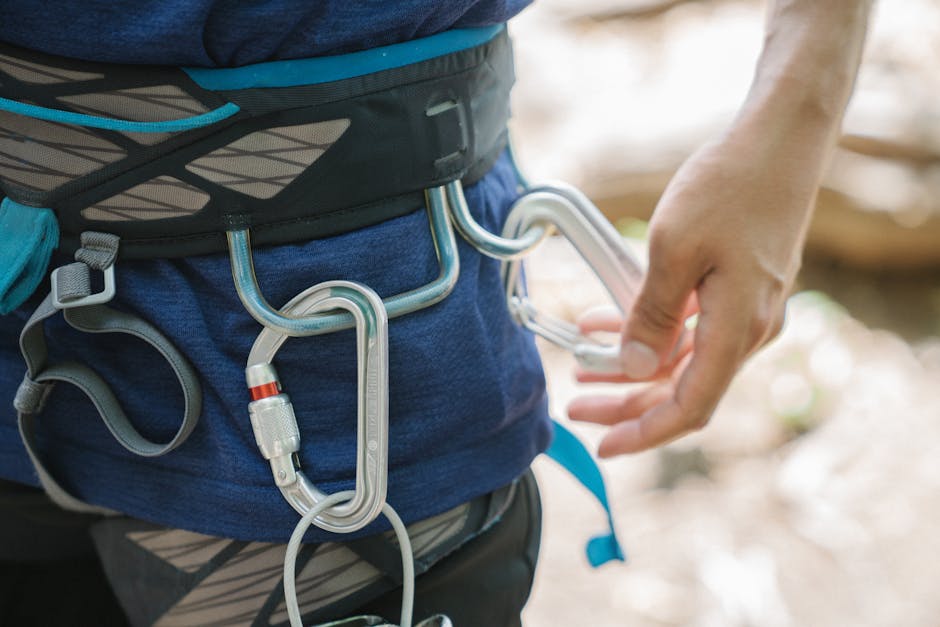
Did you know that over 40% of climbing accidents involve equipment failure or user error? While modern harnesses are incredibly strong, choosing the wrong one for your specific climbing style or neglecting proper fit can dramatically increase risk and reduce performance. For UK climbers facing diverse rock types, from Peak District gritstone to Scottish granite, selecting the right harness isn’t just about comfort; it’s about safety, efficiency, and enjoyment on the rock. This guide cuts through the noise. It helps you identify precisely what you need in a climbing harness, steering clear of common pitfalls.
Understanding Harness Types for UK Climbing
Climbing harnesses are not one-size-fits-all. Different disciplines demand different features. An ill-suited harness can quickly become a liability or, at best, a significant discomfort. UK climbing, in particular, spans a wide array of styles: indoor wall climbing, sport climbing on Limestone, traditional climbing on Granite, and the demanding world of winter mountaineering.
Each type of harness is engineered with specific priorities. A lightweight sport harness might feel fantastic for a single-pitch redpoint but proves agonizing on a multi-pitch trad route. Conversely, a heavily padded trad harness offers excellent comfort for hanging belays but adds unnecessary bulk and weight for quick gym sessions. Understanding these core distinctions is your first step toward making an informed choice. Consider your primary climbing activity. Are you mostly clipping bolts at your local crag, or do you aspire to long days in the mountains, laden with gear?
Sport Climbing Harnesses: Lightweight and Minimalist
Sport climbing harnesses prioritise freedom of movement and low weight. They often feature less padding and fewer, smaller gear loops. Their design is sleek, aiming to stay out of the way during dynamic moves. The focus is on comfort during short hangs, not extended belays. Brands like Petzl and Black Diamond offer excellent sport-specific models. For instance, the Petzl Sama (men’s) or Luna (women’s) are popular choices, known for their Endofame Technology, which distributes pressure across the waistbelt. The Black Diamond Solution is another top pick, incredibly light and comfortable for its class, making it ideal for redpointing hard sport routes.
Trad and Multi-Pitch Harnesses: Comfort and Capacity
Traditional (Trad) and Multi-Pitch harnesses are built for longer days. They feature significantly more padding on both the waistbelt and leg loops. Multiple, robust gear loops (typically four to six) are standard, often with additional loops for accessories like a haul line or ice screw clips. A strong belay loop and adjustable leg loops are also common, allowing for layering clothing underneath. The DMM Renegade 2 stands out in this category. It’s a UK-designed harness, renowned for its seven gear loops and exceptional comfort during long belays, perfect for big days on Welsh slate or Scottish sea cliffs. Similarly, the Arc’teryx AR-395a offers a fantastic balance of comfort, durability, and gear capacity, utilizing their Warp Strength Technology™ for even load distribution.
All-Rounder and Alpine Specific Designs
An all-rounder harness attempts to bridge the gap, offering a good balance of features for various activities. These are often a great starting point for beginners or climbers who dabble in multiple disciplines. They typically have moderate padding, four gear loops, and often adjustable leg loops. The Mammut Ophir 4 Slide is a prime example, providing excellent adjustability and comfort for its price. For alpine and winter climbing, harnesses become even more minimalist, sometimes designed to be put on while wearing skis or crampons. They prioritise extreme light weight, packability, and robust construction to withstand harsh conditions. The Edelrid Loopo Lite is an ultralight option often favoured by mountaineers.
How to Ensure Your Harness Fits Perfectly
A poorly fitting harness isn’t just uncomfortable; it’s a serious safety hazard. The harness must fit securely around your waist and legs, preventing slippage or pressure points that could lead to injury. This is a critical step often rushed by new climbers. Different body shapes require different approaches. Men’s and women’s specific harnesses, for example, are designed with different hip-to-waist ratios in mind to ensure a better, safer fit. Never assume one size will work just because the label says so. Always try a harness on before purchasing, and ideally, try it with your typical climbing attire.
Checking Waistbelt Fit
The waistbelt is the primary load-bearing component. It should sit snugly above your hip bones, not on your soft tissue. A good test is to ensure you can fit no more than two fingers comfortably under the tightened waistbelt. If you can fit your whole hand, it’s too loose. When weighted, the harness should not slide down your hips. Critically, ensure the buckle is threaded correctly and doubled back if it’s a traditional buckle. Many modern harnesses feature auto-locking buckles, but a quick check is always prudent. The padding should wrap evenly around your back and sides, without large gaps or uncomfortable bunching.
Leg Loop Adjustability and Comfort
Leg loops should also be snug, but not so tight that they restrict blood flow or movement. You should be able to slide your hand between your thigh and the leg loop with some resistance. Adjustable leg loops offer versatility, especially if you climb in varying temperatures and need to wear different layers (e.g., shorts in summer, fleece trousers in winter). Fixed leg loops, common on sport harnesses, are lighter and less bulky but offer less flexibility. Ensure the leg loops sit comfortably and don’t chafe during simulated climbing movements, such as high stepping or squatting. The risers connecting the leg loops to the waistbelt should not be twisted.
The Hang Test: Simulating a Fall
The best way to assess fit is with a “hang test.” If possible, at a climbing shop, ask to be suspended in the harness. Simulate hanging at a belay or after a fall. Pay attention to any pressure points, particularly on your lower back, hips, and inner thighs. Does the harness ride up too high, causing discomfort in your abdomen? Do the leg loops cut into your groin? A good harness should distribute weight evenly, allowing you to hang comfortably for several minutes without significant pain. This test is invaluable and often reveals fit issues not apparent when simply standing.
Common Mistakes UK Climbers Make When Buying a Harness
- Choosing the Wrong Harness Type for Their Discipline: Buying a minimalist sport harness for multi-pitch trad climbing leads to severe discomfort and gear management issues. Conversely, a bulky trad harness for gym climbing is overkill and restricts movement. Always match the harness to your primary climbing activity.
- Ignoring Proper Fit and Sizing: Many climbers buy a harness based solely on waist size, neglecting leg loop fit or overall body shape compatibility. A harness that is too loose can cause you to slip out in an inverted fall, while one that’s too tight restricts movement and blood flow. Always try before you buy, and perform a hang test if possible.
- Overlooking Safety Certifications: All climbing harnesses sold in the UK must meet the European standard EN 12277. While most reputable brands comply, always check for the CE mark and the standard number. This ensures the harness has passed rigorous strength and safety tests. Never compromise on this.
- Prioritising Price Over Comfort/Safety: A cheap harness might seem appealing, but if it’s uncomfortable, you’ll climb less or be distracted. If it compromises safety, it’s not worth any saving. A harness is a long-term investment in your climbing enjoyment and safety. Spend wisely.
- Forgetting About Gear Loop Capacity and Layout: Sport climbers need fewer gear loops than trad climbers. Trad climbers benefit from well-spaced, easily accessible gear loops. Some harnesses have flexible, soft gear loops that are comfortable under a pack but harder to clip quickly. Consider the type and quantity of gear you typically carry.
- Not Considering Durability and Weight for Specific Use: A lightweight harness is great for redpointing, but if you’re frequently chimneying or scrambling over abrasive rock, a more robust, durable fabric might be necessary. Similarly, for long alpine routes, every gram counts, so a minimalist design is crucial.
The Best Climbing Harnesses for UK Conditions
When you’re climbing across the UK, from the sharp gabbro of Skye to the smooth limestone of Malham Cove, your harness needs to perform. We’ve assessed numerous models, balancing comfort, features, durability, and value for money. For most UK climbers, an all-rounder with good adjustability offers the most flexibility. However, for dedicated sport or trad enthusiasts, a specialised model can significantly enhance the experience.
Best Overall: Mammut Ophir 4 Slide
For a blend of versatility, comfort, and value, the Mammut Ophir 4 Slide is our top pick. It’s a fantastic all-rounder suitable for indoor climbing, sport, and even lighter trad routes. The four Slide Bloc buckles allow for quick and easy adjustment of both the waistbelt and leg loops, making it highly adaptable for different clothing layers and body types. It features four gear loops and a haul loop, offering enough capacity for most scenarios. Its balanced padding ensures comfort without excessive bulk, making it a solid choice for the vast majority of UK climbers.
Best for Dedicated Sport Climbing: Black Diamond Solution
If clipping bolts is your passion, the Black Diamond Solution offers an unparalleled combination of lightweight performance and comfort. Its Fusion Comfort Technology distributes weight evenly, making hanging belays surprisingly tolerable for a sport-specific harness. It’s minimalist, with fixed leg loops and four pressure-moulded gear loops that are slim yet functional. This harness disappears when you’re climbing, allowing maximum freedom of movement. It’s an investment for serious sport climbers looking to shed weight and focus purely on performance.
Best for Trad and Multi-Pitch: DMM Renegade 2
For the demands of UK trad climbing and multi-pitch adventures, the DMM Renegade 2 is hard to beat. Designed and tested in North Wales, it’s built for long, gear-heavy days. The standout feature is its seven gear loops, providing ample space for full racks, slings, and quickdraws. Its generous padding on the waist and legs ensures comfort during extended belays and hangs. Adjustable leg loops accommodate various layering systems. While heavier than sport harnesses, its robust construction and thoughtful design make it ideal for the gritstone, mountain routes, and sea cliffs that define UK trad climbing.
Here’s a quick comparison of our top recommendations:
| Harness Model | Type | Weight (approx.) | Gear Loops | Key Features | Best For |
|---|---|---|---|---|---|
| Mammut Ophir 4 Slide | All-Rounder | 370g | 4 + haul loop | 4 Slide Bloc buckles, adjustable leg loops, balanced padding | Beginners, gym, sport, light trad, versatility |
| Black Diamond Solution | Sport Climbing | 330g | 4 | Fusion Comfort Technology, fixed leg loops, minimalist design | Dedicated sport climbing, redpointing, lightweight performance |
| DMM Renegade 2 | Trad/Multi-Pitch | 475g | 7 + haul loop | Exceptional padding, adjustable leg loops, high gear capacity | Trad climbing, multi-pitch, long days, heavy rack |
| Petzl Sama / Luna | Sport Climbing | 385g | 4 | Endoframe Technology, comfortable waistbelt, fixed leg loops | Sport climbing, gym, comfort-focused sport climbers |
| Arc’teryx AR-395a | All-Rounder/Trad | 395g | 4 + 2 ice clipper slots + haul loop | Warp Strength Technology™, laminated construction, durable | Trad, multi-pitch, alpine, all-around high performance |
Your Ideal Harness: A Quick Decision Guide
For most UK climbers, an all-rounder harness like the Mammut Ophir 4 Slide provides the best blend of comfort, safety, and adaptability across various climbing disciplines. It covers gym sessions, sport cragging, and even light trad routes without breaking the bank. Invest in it. You won’t regret the versatility.
